
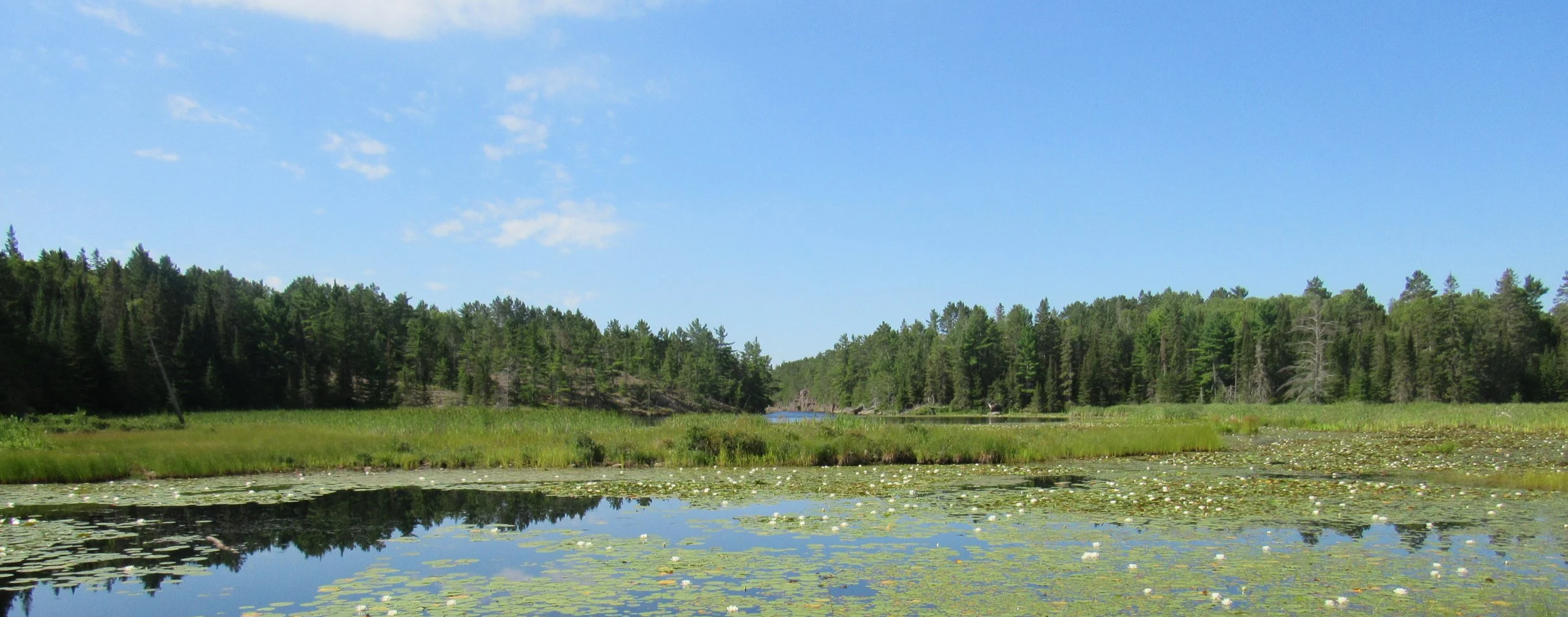
News & Updates
Stay up to date with the latest news from the Central Algoma Land Trust! Here you’ll find announcements, project updates, conservation stories, volunteer highlights, and other happenings across our protected lands and programs.
The central hub for organizational milestones, official announcements, and opportunities to support our growth.
Go behind the scenes with our team as they share personal accounts and boots-on-the-ground experiences.
Dive into the local ecology with species profiles, exciting wildlife sightings, and updates on shifting environmental ranges.
Celebrate the dedicated volunteers who give their time and talent to protect and promote the Central Algoma region.
Click here to return to our main news feed and explore the full collection of stories and updates from our community.
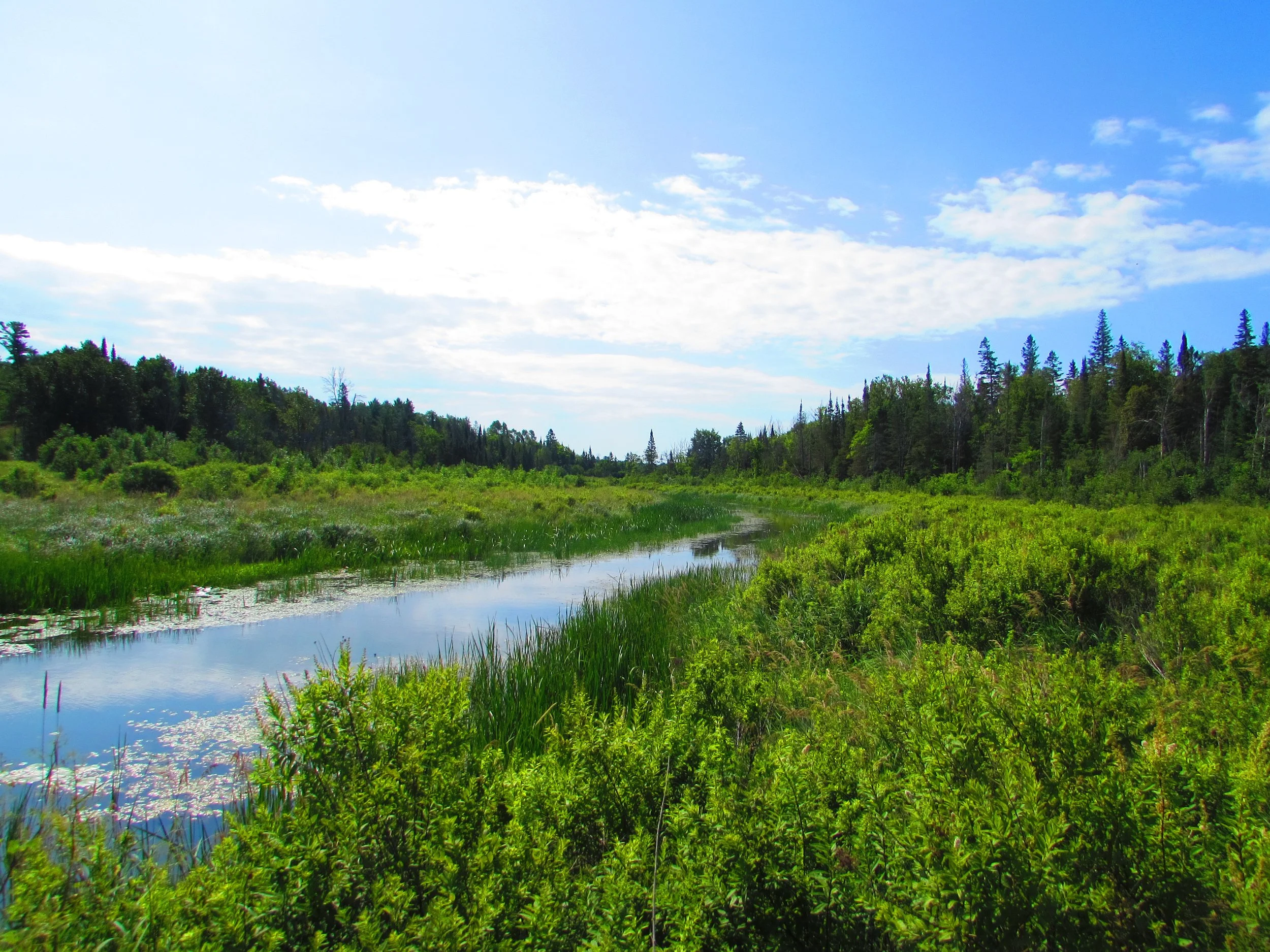
Biodiversity, Climate Change Mitigation, and the Importance of Protecting Species at Risk
With the stresses brought about by anthropogenic climate change, biodiversity is at a critical point. Many species that provide invaluable services to ecosystem health are facing threats to their populations, and the wealth of species diversity is dwindling. But, the connections between biodiversity and climate change mitigation are strong. How does protecting species at risk work towards stabilizing the climate, and what can be done to foster a biodiverse planet?
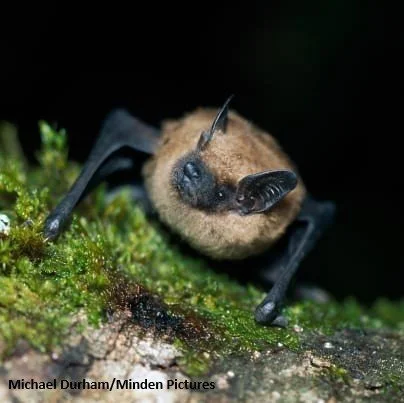
Bats are Brilliant: Appreciation for the Bat Species of Central Algoma
Bats may have once had a bad reputation, but these fascinating nocturnal creatures are some of nature’s hardest-working insect hunters. With bat populations across Ontario in decline, every sighting is now a welcome surprise. Learn more about the eight bat species found in the Central Algoma region to boost your appreciation for these amazing animals!
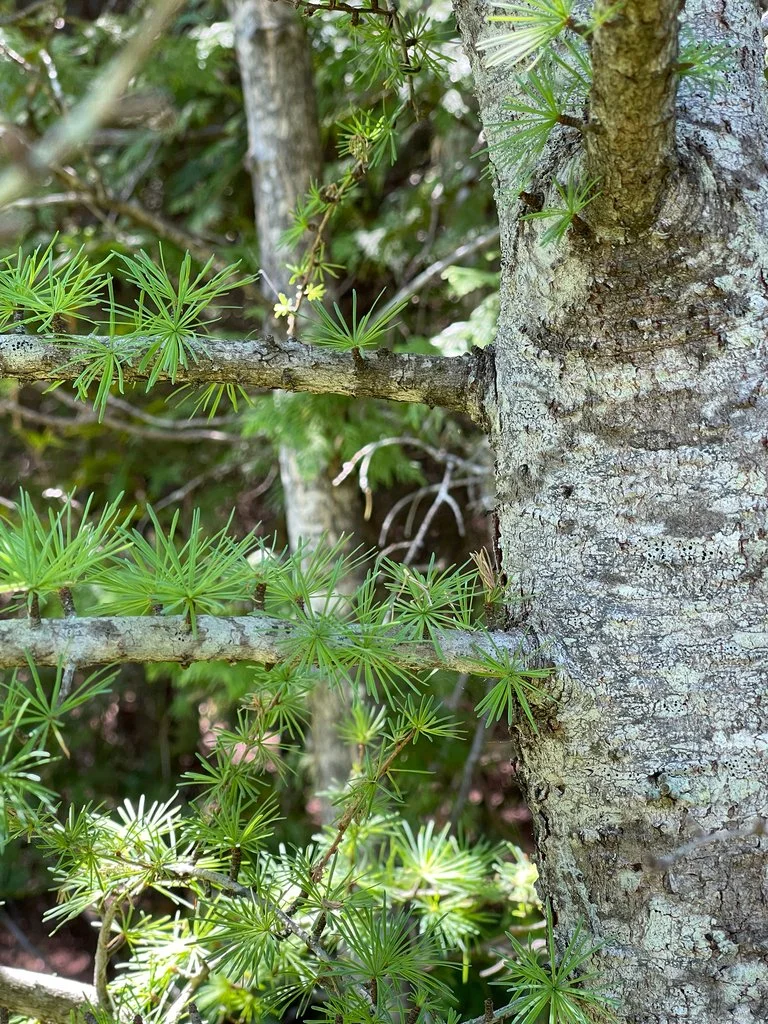
Medicinal Plants of Central Algoma
With summer in full bloom, now is the perfect time to explore the vast world of medicinal plants. Conifer shoots that are high in vitamin C, common weeds that pack a powerful anti-inflammatory punch, beautiful flowers growing in the heart of Central Algoma’s ecosystems - there’s a bounty of species ripe for harvest.
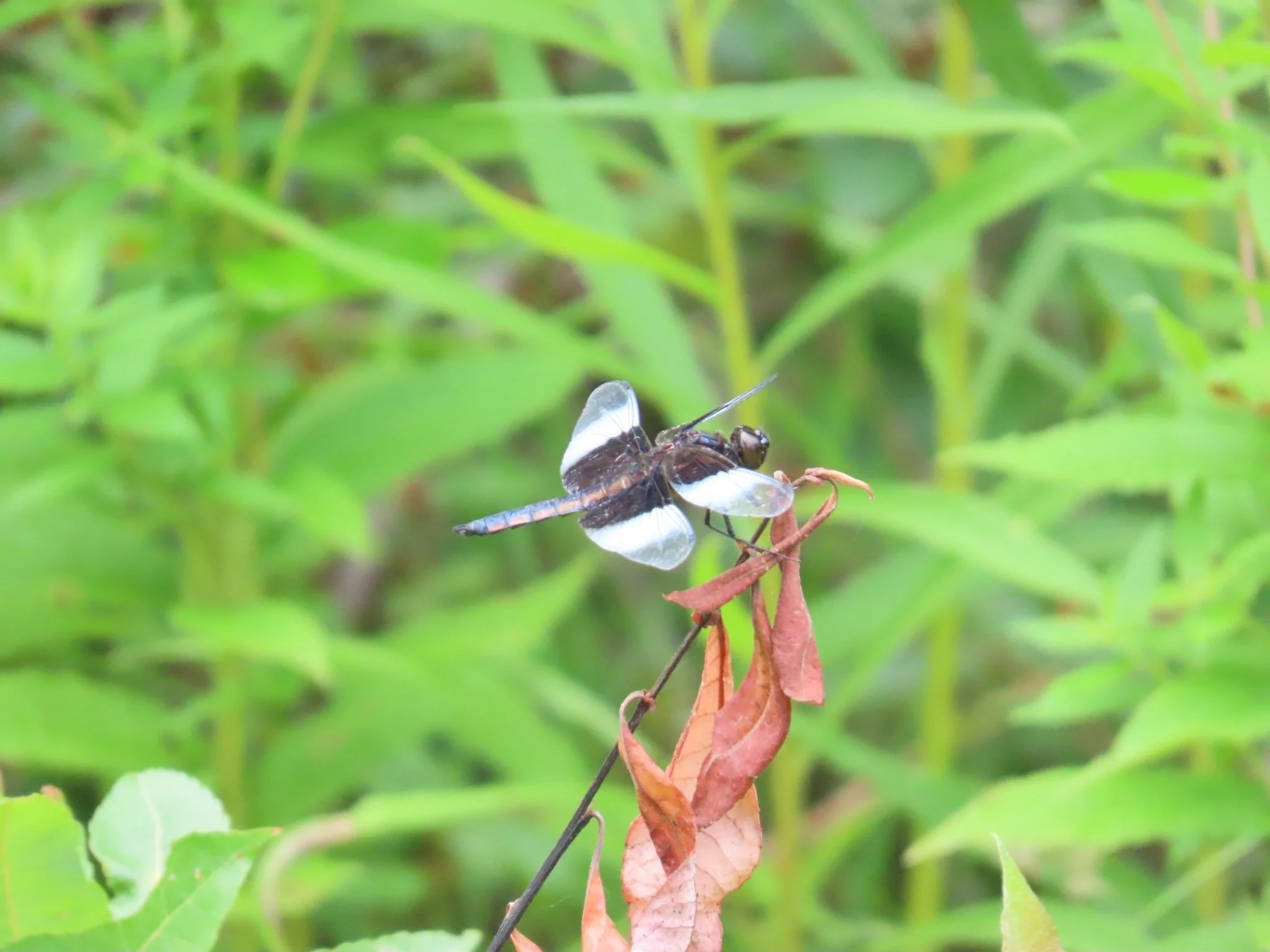
Searching for Widow Skimmers
Widow Skimmers are a common species not far too the south of us and isn’t considered at-risk, so why does this matter? Tracking range expansions like this is a vital part of modern conservation. As our climate and landscapes change, species are moving into new territories to find the habitats they need to survive.
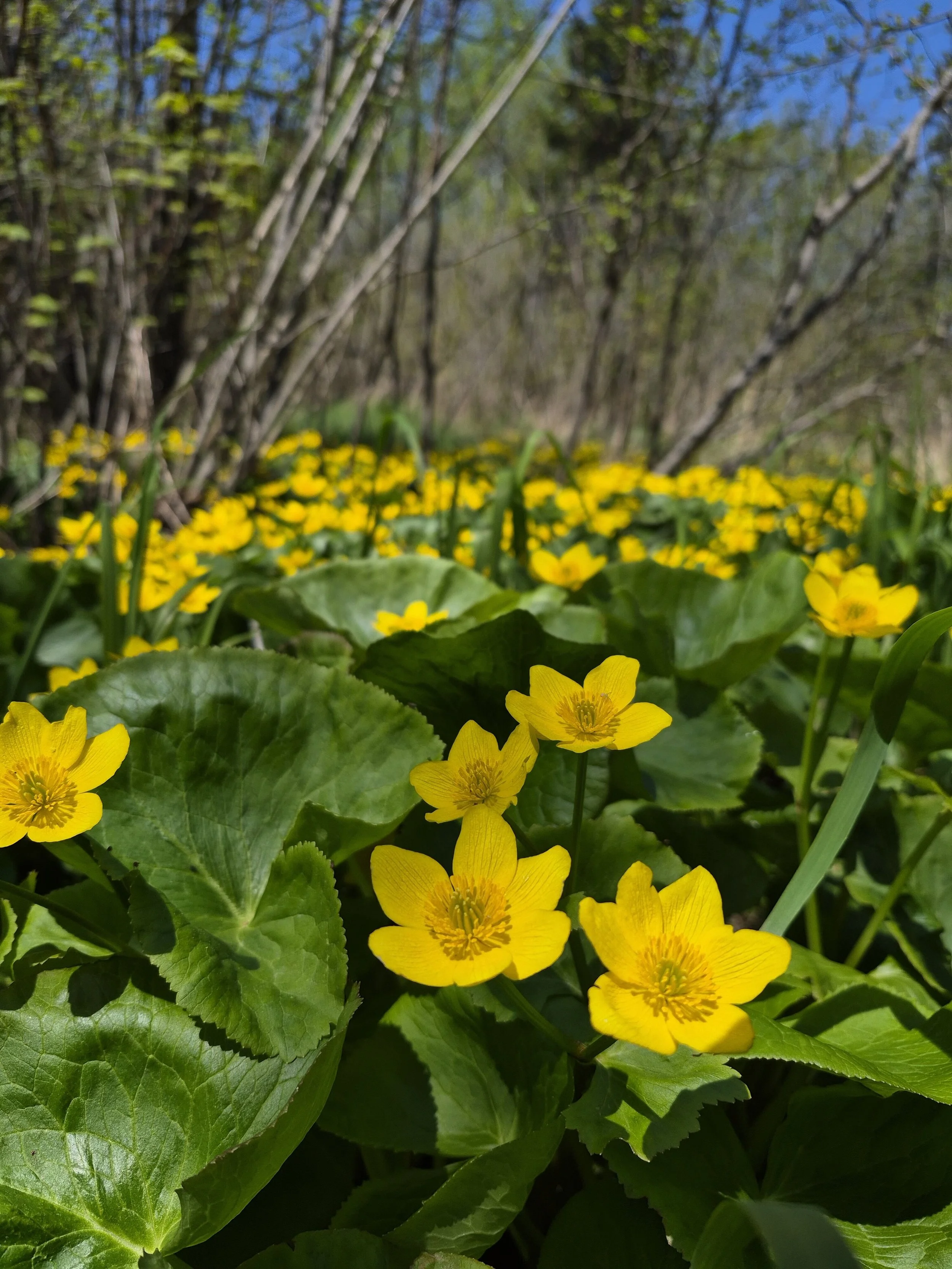
Spring Has Finally Sprung! Watch for the Wildflowers of Central Algoma
After deep snow and a long winter, spring has finally arrived for Central Algoma Land Trust’s protected areas; we are pleased to announce that spring ephemerals are slowly waking up from their long winter naps and beginning to bloom along our hiking trails and monitored properties!
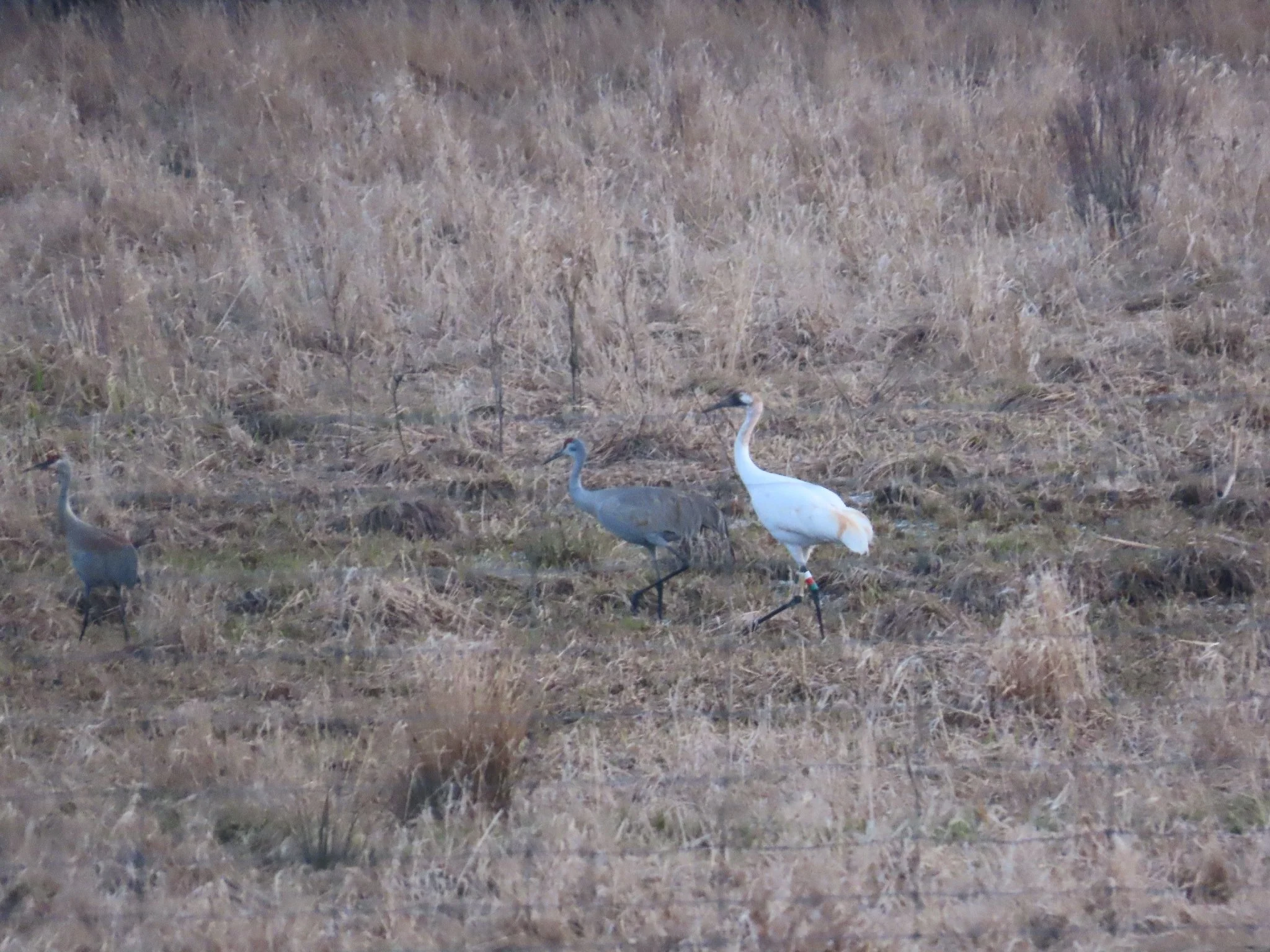
Whooping Crane Observed Near Bruce Station
It’s pretty incredible to think that a Whooping Crane hatched in a facility in Wisconsin and raised by people in crane suits ended up right here in our local fields. While it was extremely exciting for those of us lucky enough to see her, it’s also a good reminder that the work we do to keep our local habitats healthy actually matters.
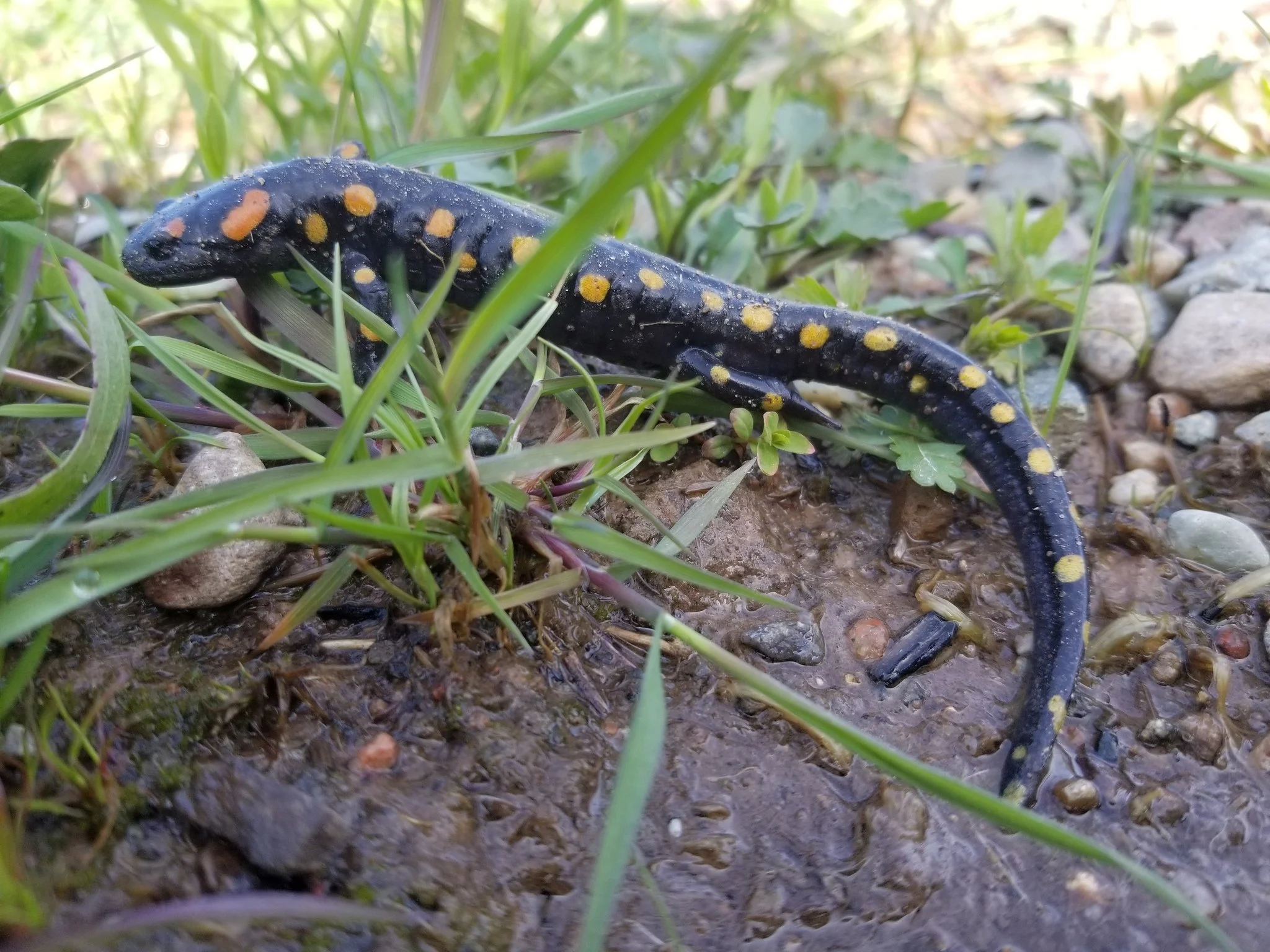
Meet the Hidden Herptiles of Central Algoma
In the Central Algoma region, familiar species like garter snakes, painted turtles, and northern leopard frogs are commonly spotted. But something interesting is happening, we are starting to hear about more observations of some of the less popular herptiles of our region. The question is whether this reflects species expanding their ranges northward due to a warming climate, or simply an increase in interest and reporting of the natural world.
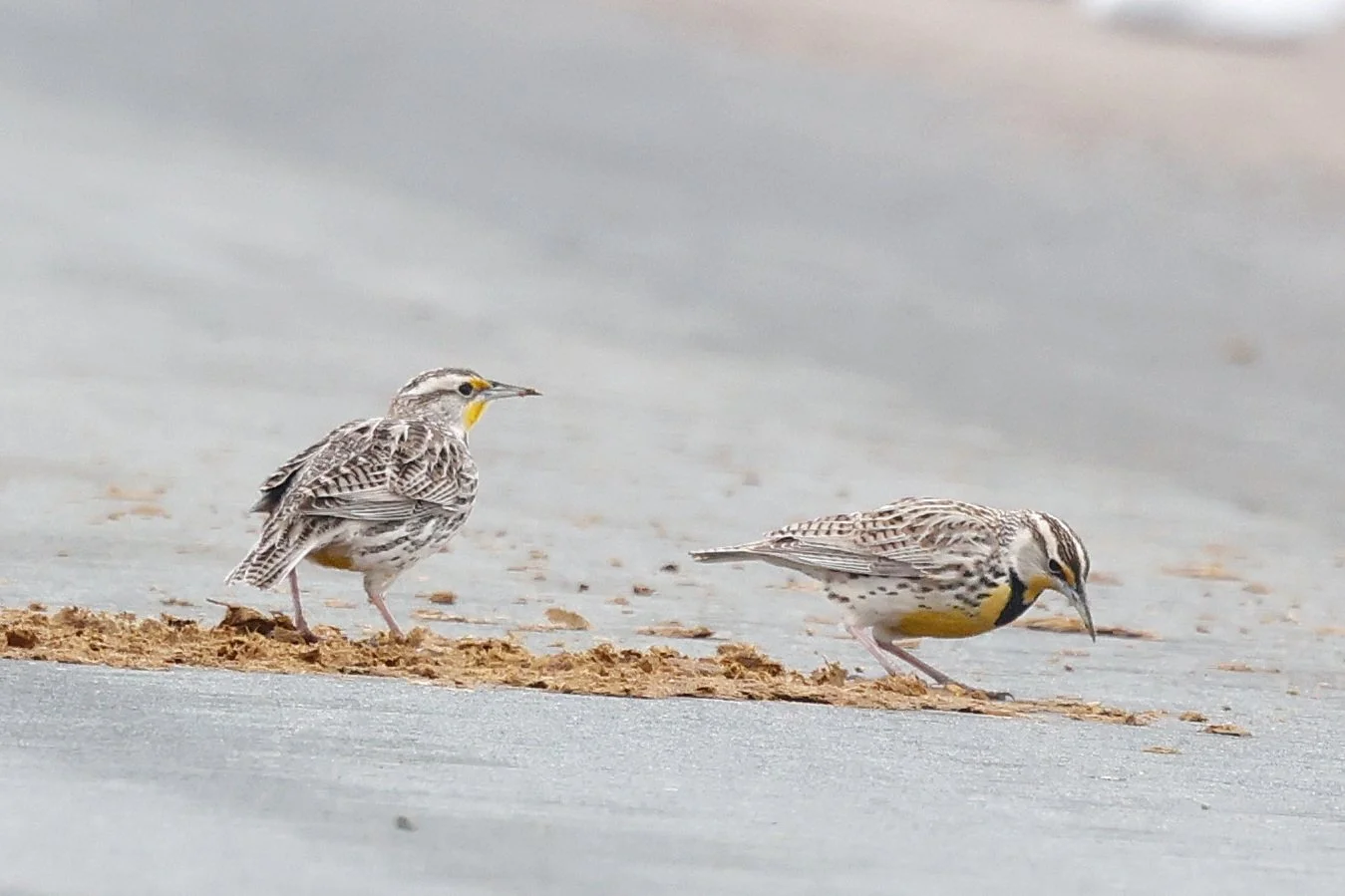
Western Meadowlarks in Tarbutt Township
On March 26th, Central Algoma Land Trust member Jane Smith photographed two meadowlarks just down the road from her house in Tarbutt Township. They turned out to be Western Meadowlarks, a different species than the Eastern Meadowlarks that are commonly found in the area every summer.
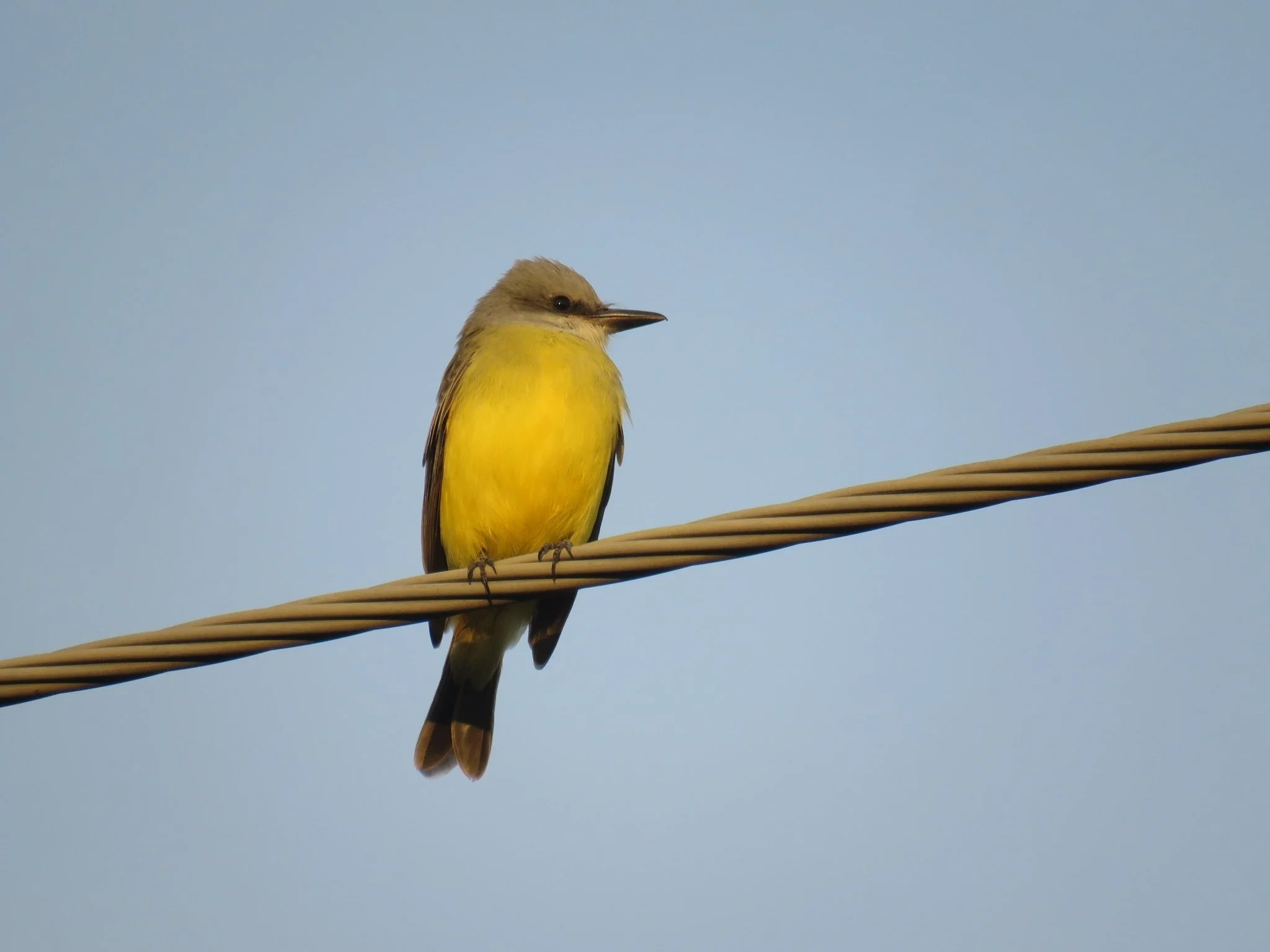
Rare Birds of Central Algoma
Think of these rare birds as environmental ambassadors. When a rare Eurasian Wigeon or a Vermilion Flycatcher touches down locally, it is often because they have found a high quality habitat to use as a refuelling station. While they may be here by accident, their presence highlights the importance of our conservation work.
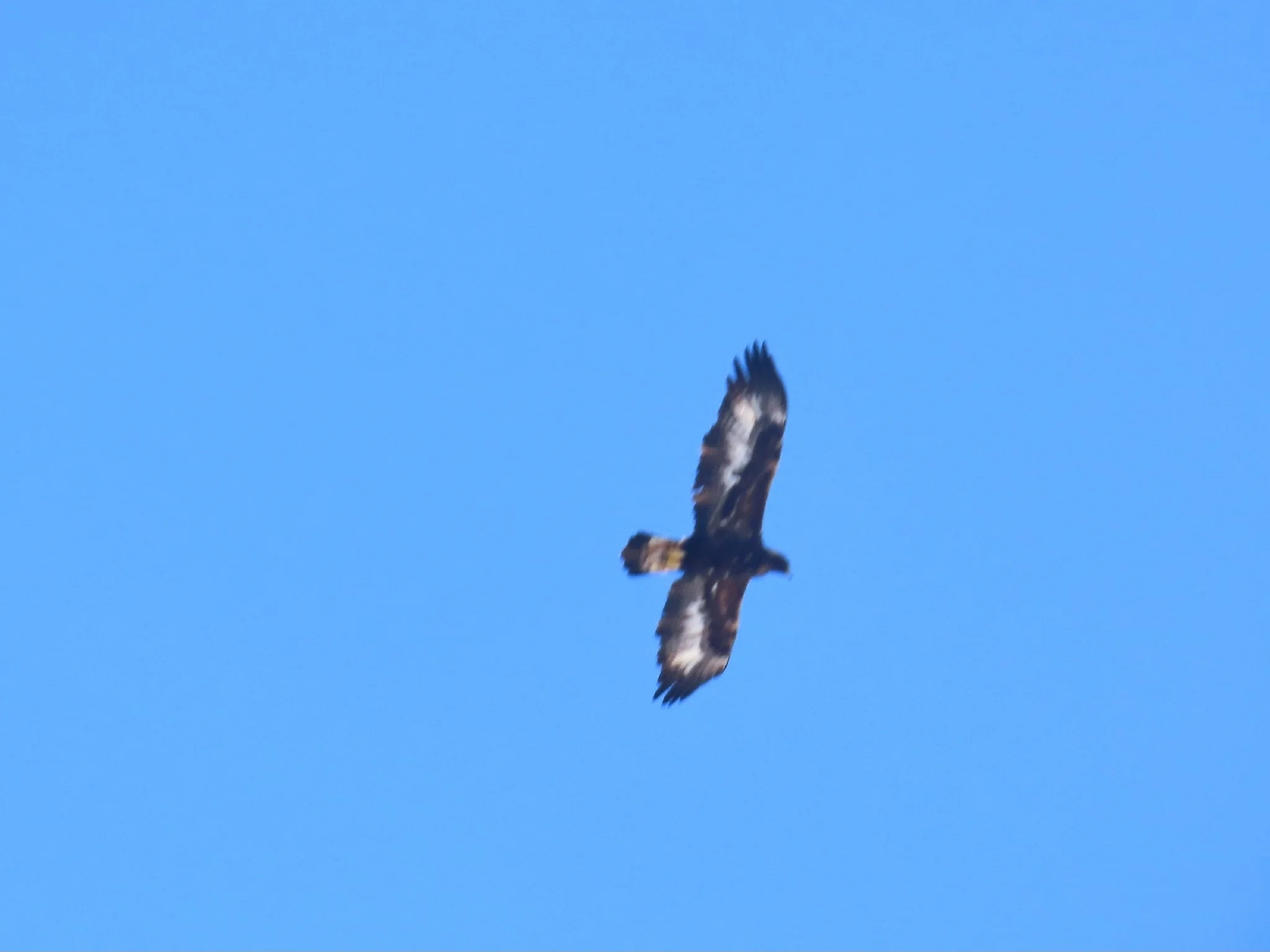
Overwintering Golden Eagles
Yesterday, Trent Massey and I were out for a drive searching for whatever interesting wildlife we could find. As we were working our way back home, a beautiful immature Golden Eagle flew over the road ahead of us just west of Desbarats. I managed to snap only a couple of photos out the window before it was out of sight to the north.
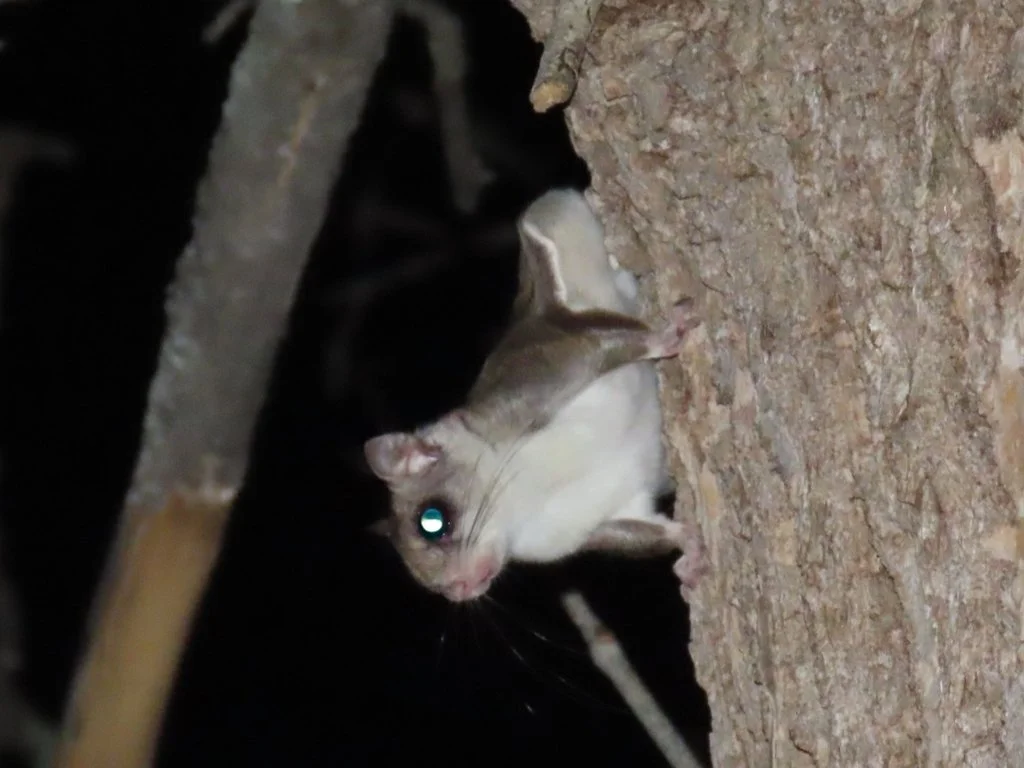
Southern Flying Squirrels in Central Algoma?
Have you ever seen a flying squirrel? These critters are relatively common around here, but they are seldom seen because of their nocturnal nature. If you’re lucky, right at dusk you can see them “fly” from one tree to another.
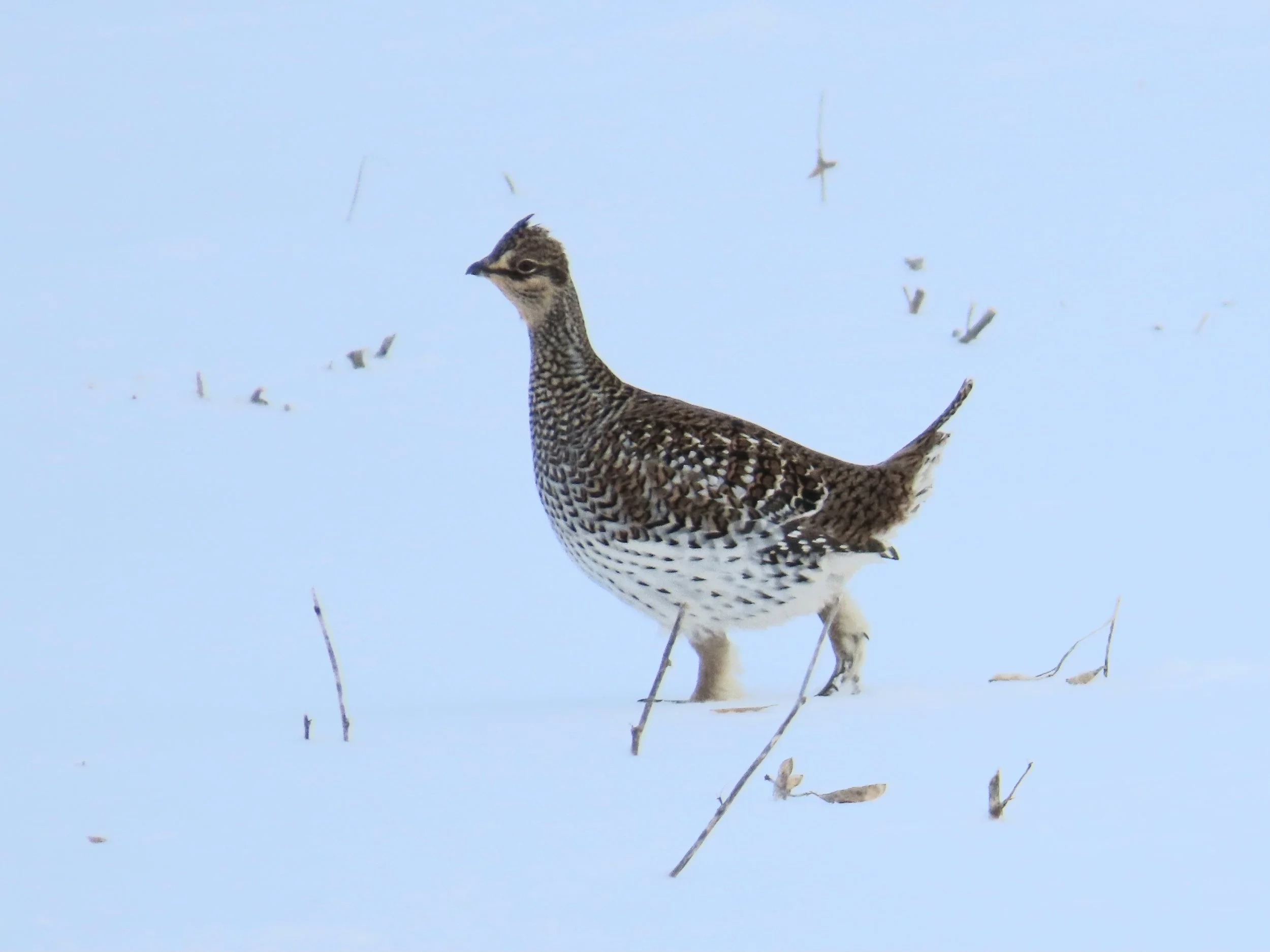
2025 Desbarats Christmas Bird Count Results
Thank you to everyone who participated in the 10th annual Desbarats Christmas Bird Count, which took place on December 27, 2025! This year, 34 volunteers took part in the count. Of those, 18 were out in the field while 15 monitored their feeders throughout the day.