Rare Birds of Central Algoma
Written by Carter Dorscht, Executive Director
When we talk about birding and bird watching, it is easy to get swept up in the chase. There is an undeniable rush in spotting a flash of colour or a silhouette that should not be here. We are looking for wayward travellers that can be hundreds or thousands of kilometres from their usual range. Over the last decade in Central Algoma, our little corner of Ontario has played host to some truly remarkable guests, ranging from southern icons to arctic wanderers.
But before we dive into these celebrities of the bird world, it is worth remembering that birding is not just a hunt for the rare species. The true heartbeat of Central Algoma birding is found in our common species. Whether it is the first American Robin of spring or the steady presence of a Black-capped Chickadee in the wintery depths of January, these birds are the foundation of our ecosystem. They are the neighbours we see every day and they deserve just as much of our attention.
This balance between the common and the rare is also where conservation comes into play. The Central Algoma Land Trust focuses its energy on protecting the habitats that our local, resident species need to survive. We prioritize the wetlands, forests, and shorelines that support the birds that live, breed, and raise their young right here in Central Algoma.
So, if we focus on local birds, where do the rare vagrants fit in?
Think of these rare birds as environmental ambassadors. When a rare Eurasian Wigeon or Vermilion Flycatcher touches down locally, it is often because they have found a high quality habitat to use as a refuelling station. While they may be here by accident, their presence highlights the importance of our conservation work. By protecting a shoreline for a Spotted Sandpiper or a forest for a Golden-crowned Kinglet, we are inadvertently creating a safe place for the lost travellers too. Some of these birds are able to eventually course-correct and get back to their native range because these healthy local habitats were available to them when they needed them most.
We are lucky that Central Algoma has such a great variety of spots for these birds to turn up. Whether it is the open farm fields and back roads, the historic grounds at Fort St. Joseph, the shoreline of the Thessalon Coastal Trail, or the wetlands surrounding the Echo Bay viewing platform, our local landscape provides plenty of space for these rare visitors to find what they need.
I’ve written a recap of some of the most exciting rare birds that have chosen Central Algoma as their temporary home over the last decade or so. They are listed in taxonomic order, which is a system used by scientists to group birds based on their evolutionary relationships, starting with older lineages like waterfowl and ending with more modern songbirds. You can click on the name or the image for each entry to view the original iNaturalist observation. This will provide you with more details regarding the specific location and date of the sighting. Please note that all photos in this post are mine unless otherwise noted.
Eurasian Wigeon
American Wigeons are a fairly common migrant, and a low density breeder, here in Central Algoma. In the spring, as fields are flooded from melting snow and rainfall, you can often find dozens or even hundreds of them foraging in whatever crops are left over from the previous summer. A few years ago, Ted Priddle found a Eurasian Wigeon among all of the American Wigeons in this exact scenario between Thessalon and Little Rapids.
This species is regular in Europe and Asia, but can be found in small numbers on both the Atlantic and Pacific coasts. Occasionally, they do show up more inland as well, like in this case. This particular bird did not stick around long, as it was nowhere to be found when birders returned the next morning.
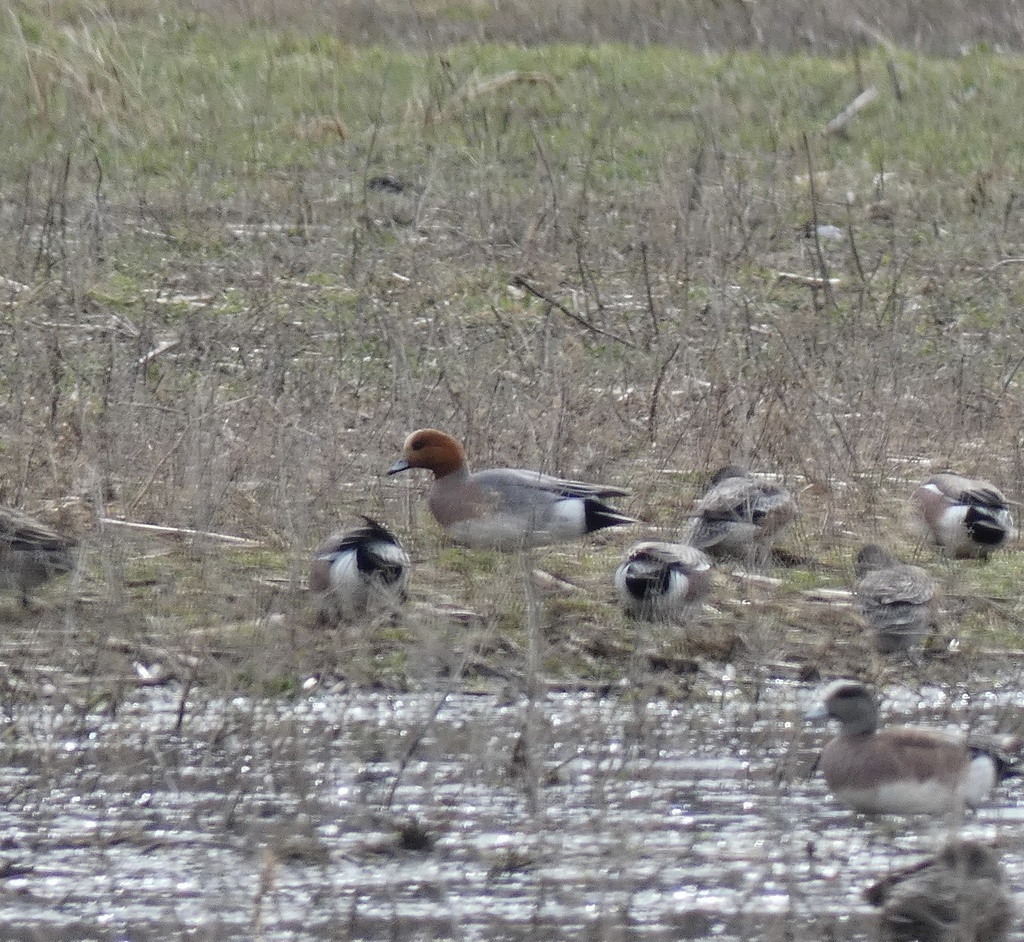
Eurasian Wigeon - Photo by Ted Priddle
View on iNaturalist
White-winged Dove
One might think this is a Mourning Dove on first glance, but Lauren Hope recognized it as different when she saw it in her yard in Echo Bay. White-winged Doves are typically found in the southern United States, the Caribbean Islands, and much of Central America, but they do have a well established pattern of showing up well north of where they are supposed to be.
Lauren alerted a few people to its presence and I was fortunate to see it myself. After only a few hours though, it disappeared and was not seen again.
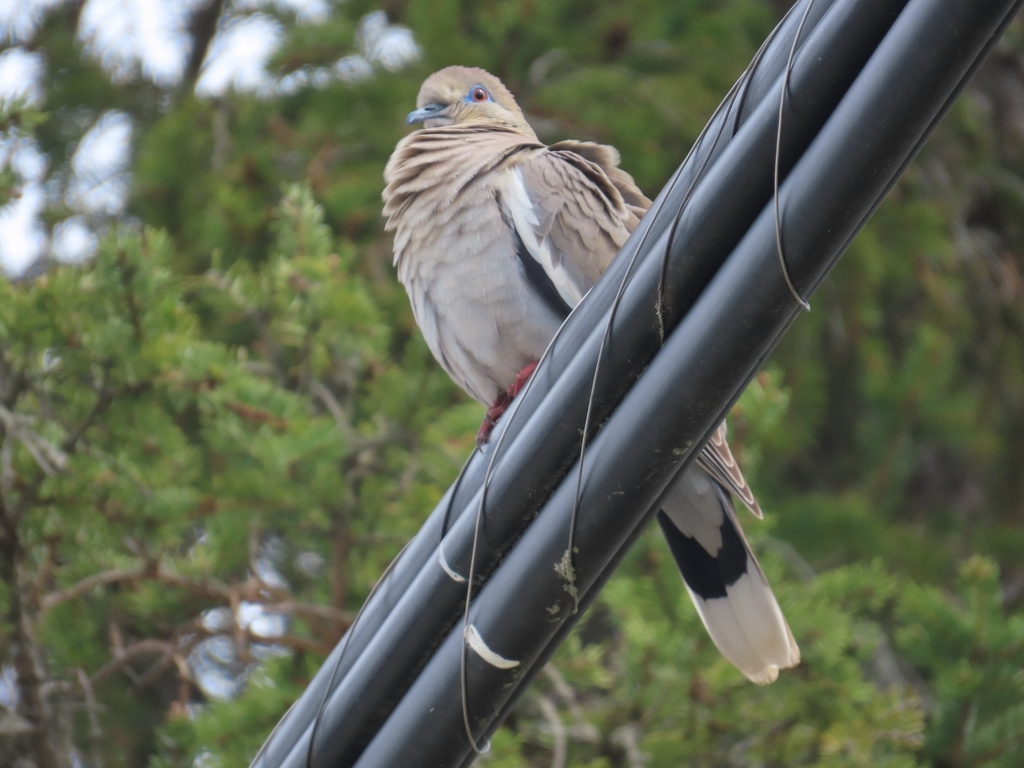
White-winged Dove
View on iNaturalist
Buff-breasted Sandpiper
These shorebirds breed in the Arctic and typically migrate through the middle of the continent as they head to South America for the winter. Multiple Buff-breasted Sandpipers do show up in Ontario every fall, but they are rarely seen in Central Algoma.
Sod farms are one of their habitats of choice as a stopover site. I was fortunate to see this one several years ago in Laird Township while it was taking a break on its long journey south.
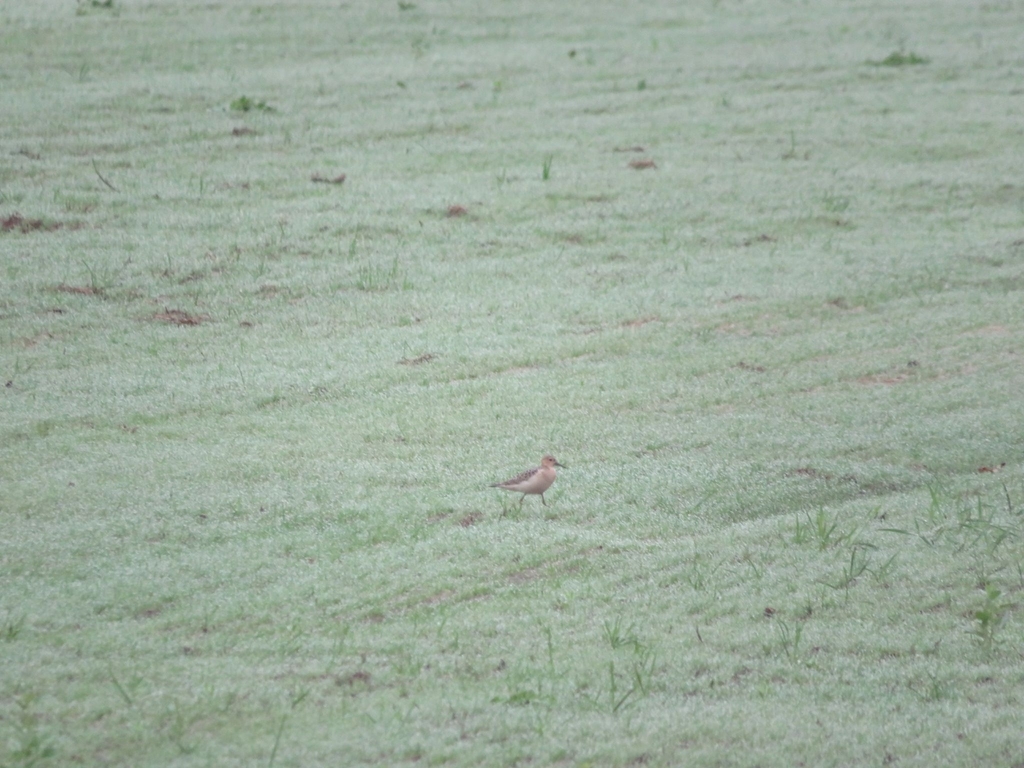
Buff-breasted Sandpiper
View on iNaturalist
Marbled Godwits
One late May evening while searching for a report of Whimbrels, which is another rare sighting locally, I found a flock of 15 Marbled Godwits in a field near Desbarats. The odd single Marbled Godwit has been observed in the Algoma District during migration, but this was the first time there was ever more than one together.
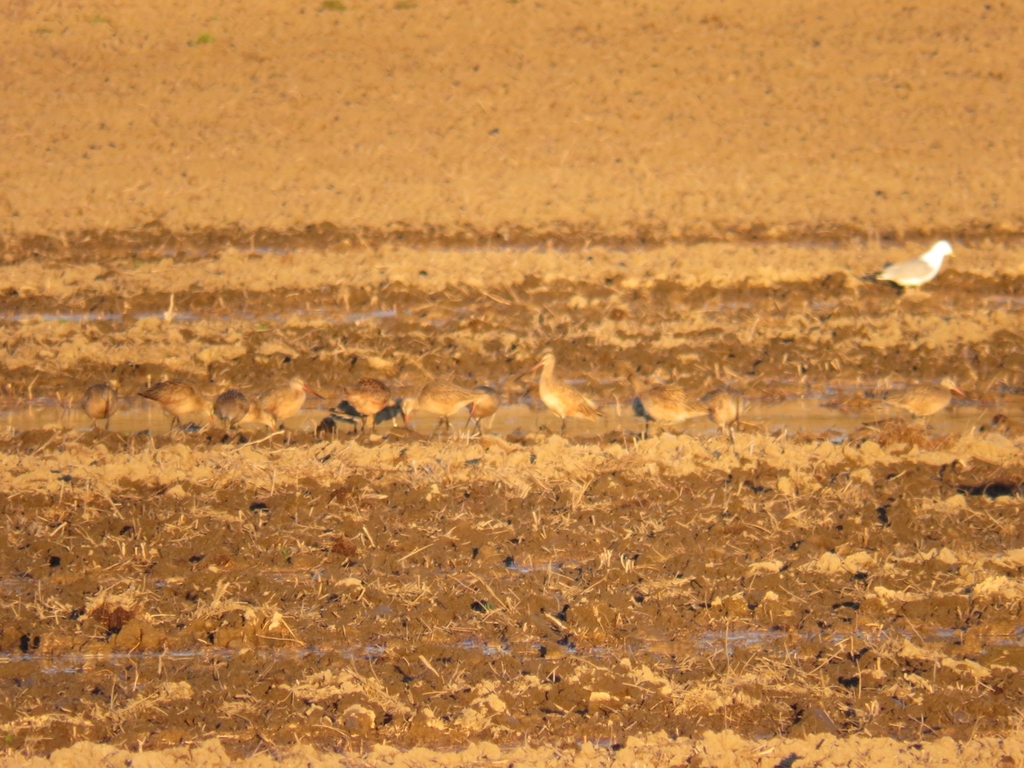
Marbled Godwaits
View on iNaturalist
Sabine’s Gull
Tony Ward photographed this immature Sabine’s Gull resting on the shore in Thessalon with several Ring-billed Gulls. This very small gull species is a very uncommon migrant through the Great Lakes during the fall.
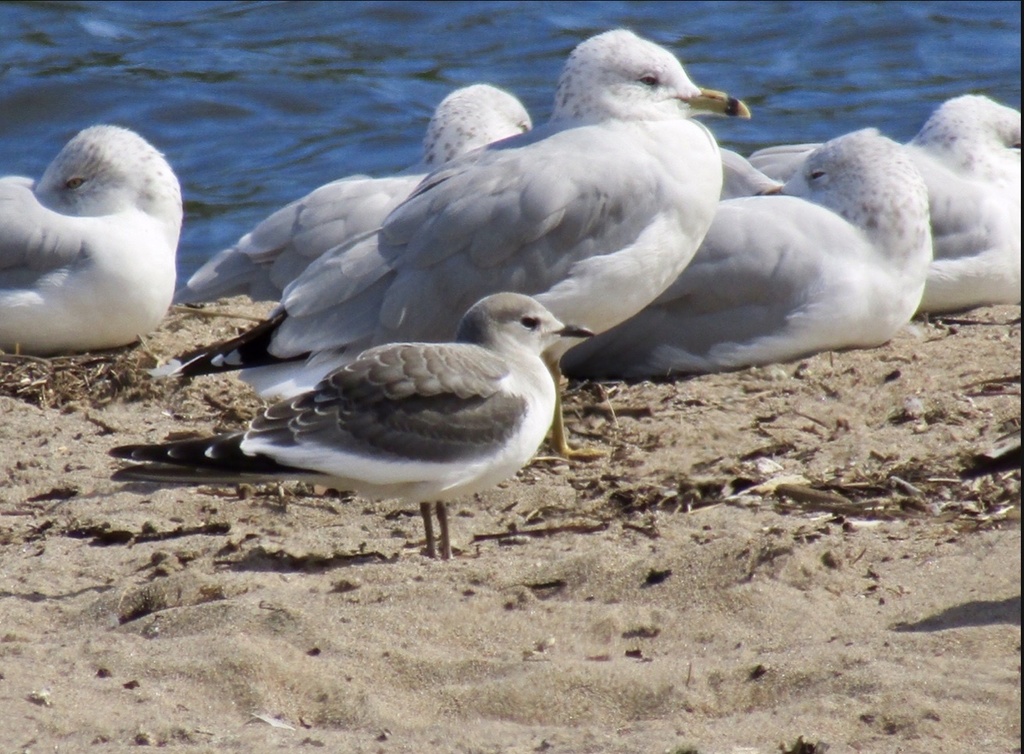
Sabine's Gull - Photo by Tony Ward
View on iNaturalist
Black-legged Kittiwake
This immature Black-legged Kittiwake was one of my personal favourite bird sightings I have ever had. During a late October walk with my dog into Fort St. Joseph, I observed and photographed a gull that looked a bit different than the several Bonaparte’s Gulls that were around.
It turned out to be an immature Black-legged Kittiwake, which is typically an ocean bird. Some do find themselves inland each year, especially in the Great Lakes, but this species had never been recorded before in the entire Algoma District, let alone Central Algoma. It was a thrill to document such a significant first record for the district.
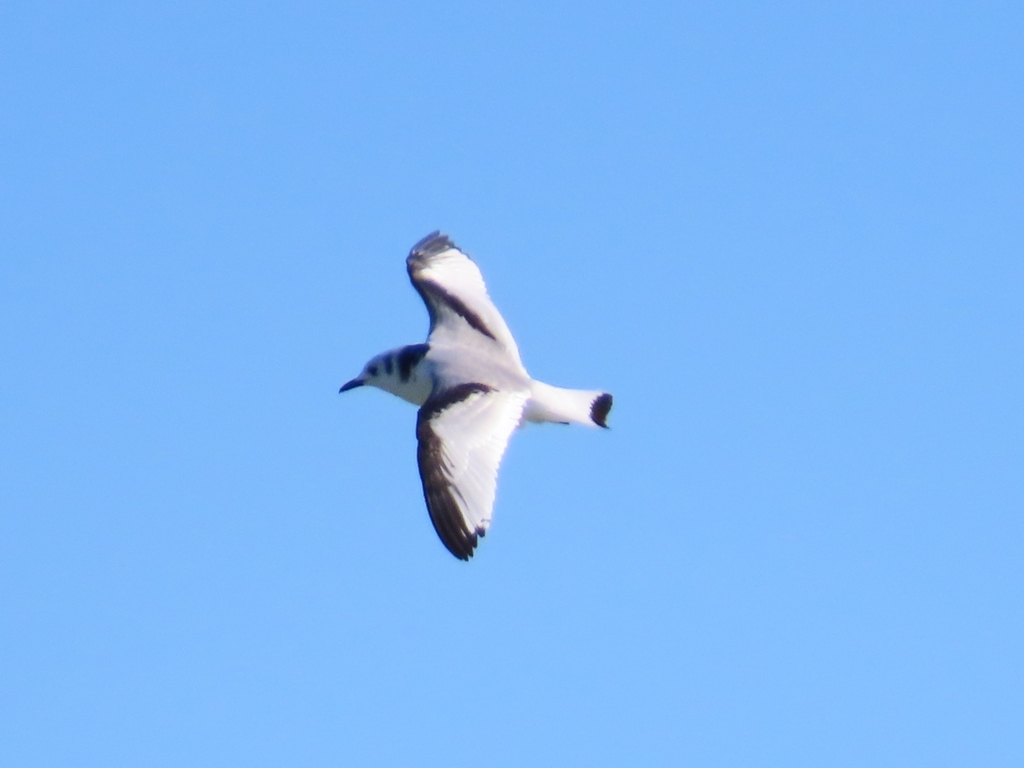
Black-legged Kittiwake
View on iNaturalist
Franklin’s Gull
Jane Smith photographed this Franklin’s Gull resting along the shore a couple of years ago in Echo Bay. This gull species is typically found in the prairies, but it sometimes wanders a bit further east during migration.
While they look quite similar to the more common Bonaparte’s Gulls often seen in our area, Franklin's Gulls have a stouter bill and a distinct white "partition" between the black and grey on their wing tips. It is always worth a second look at a flock of gulls to see if an unusual visitor like this is hiding in plain sight.
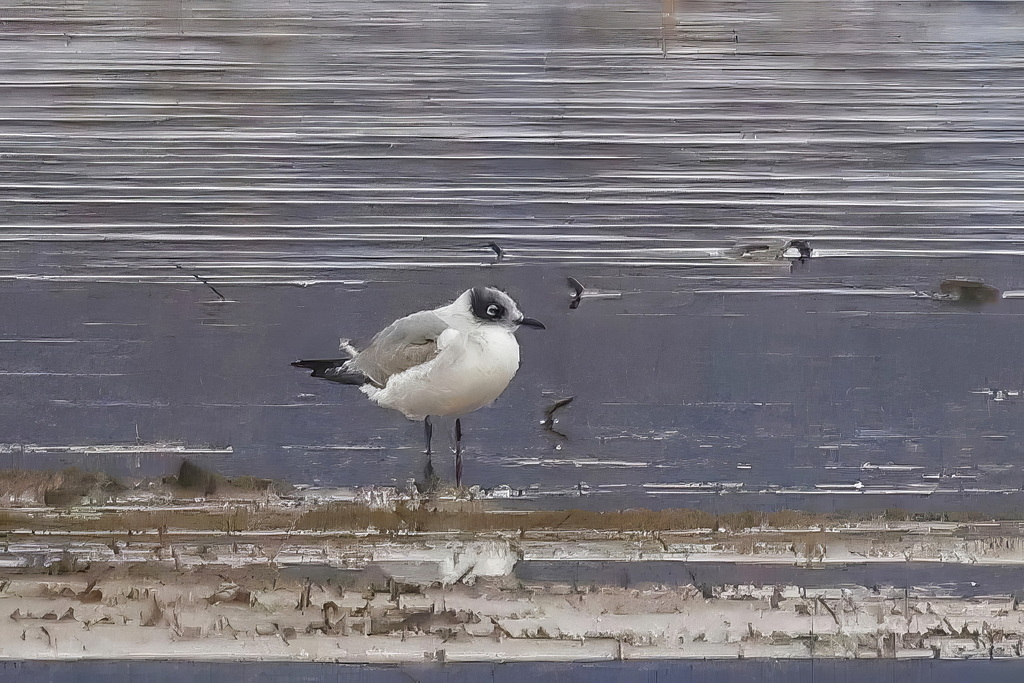
Franklin's Gull - Photo by Jane Smith
View on iNaturalist
Little Gull
A boat trip last summer through the East Neebish Channel for Trent Massey, Ron Dorscht, Chris Zayachkowski, and Callum Nixon-Holmes produced this Little Gull! This species is the smallest gull in the world and they are rarely observed in our region. While they are occasionally found among flocks of Bonaparte's Gulls, their tiny size and distinctive dark underwings make them a prized find for birders in Ontario.
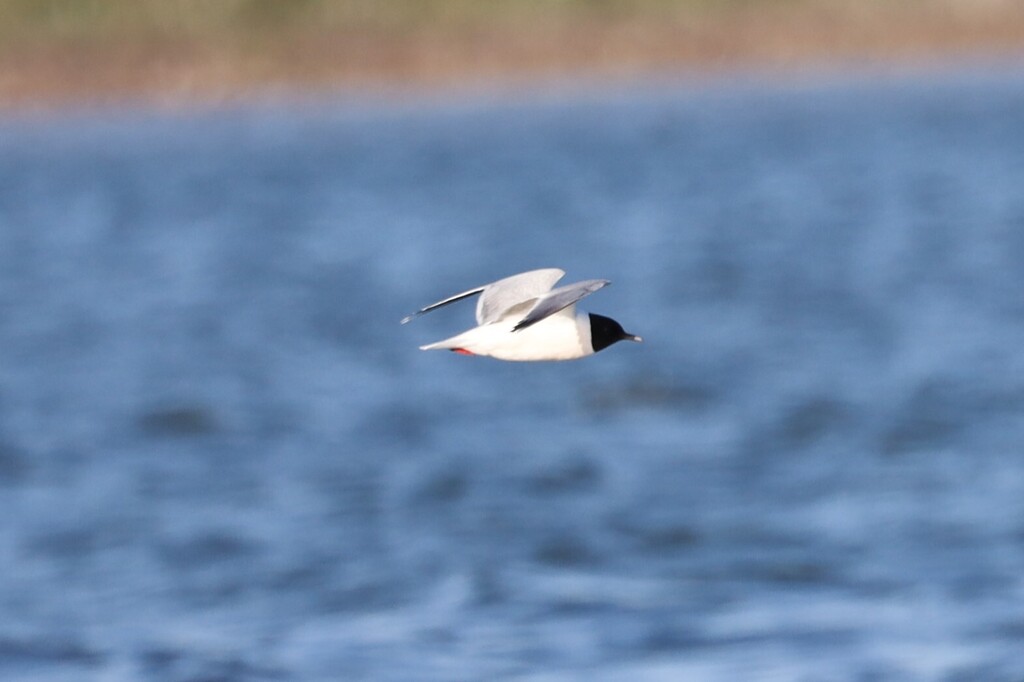
Little Gull - Photo by Trent Massey
View on iNaturalist
Black Vulture
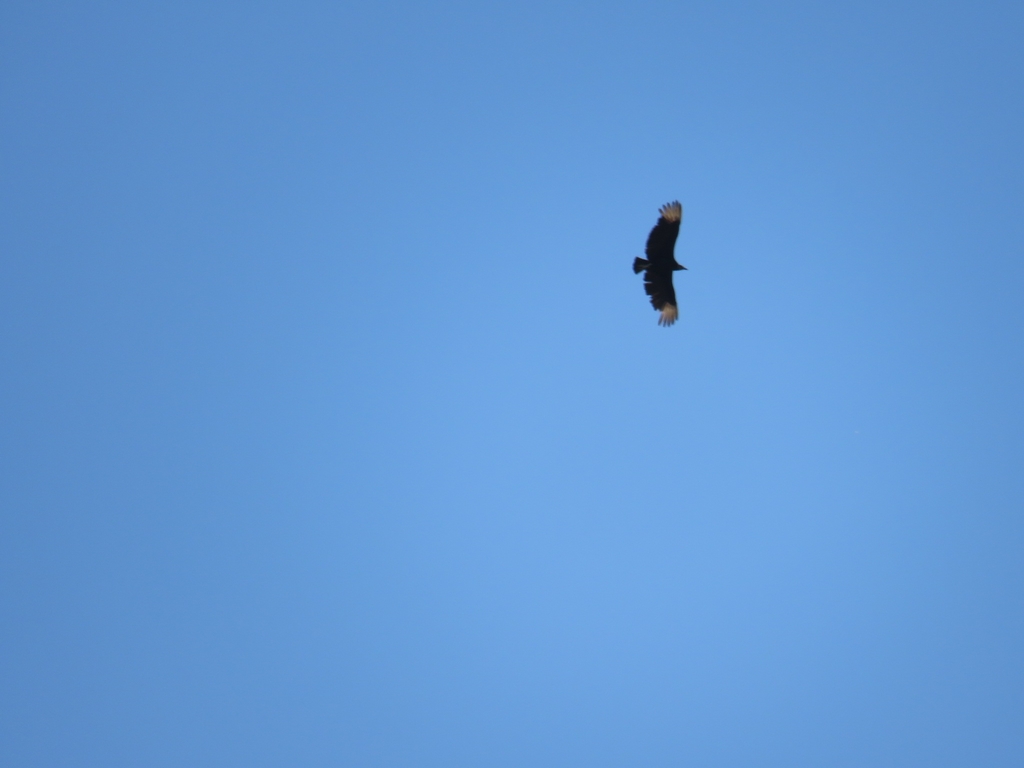
This is another personal highlight of mine. I was sitting on my front porch one sunny spring day when I saw two birds tussling high in the sky. They broke off and one was instantly recognizable as a Turkey Vulture, but the other one looked different. I quickly got my binoculars up and as soon as I saw those whitish tips to its primary feathers, I knew it was a very rare Black Vulture. It circled around above for a minute or two before disappearing into the blue sky.
Black Vultures are slowly expanding their range northward. They have become a regular, but still rare, sighting in southern Ontario but are still an exceptional sighting this far north.
Black Vulture
View on iNaturalist
Western Cattle-Egret
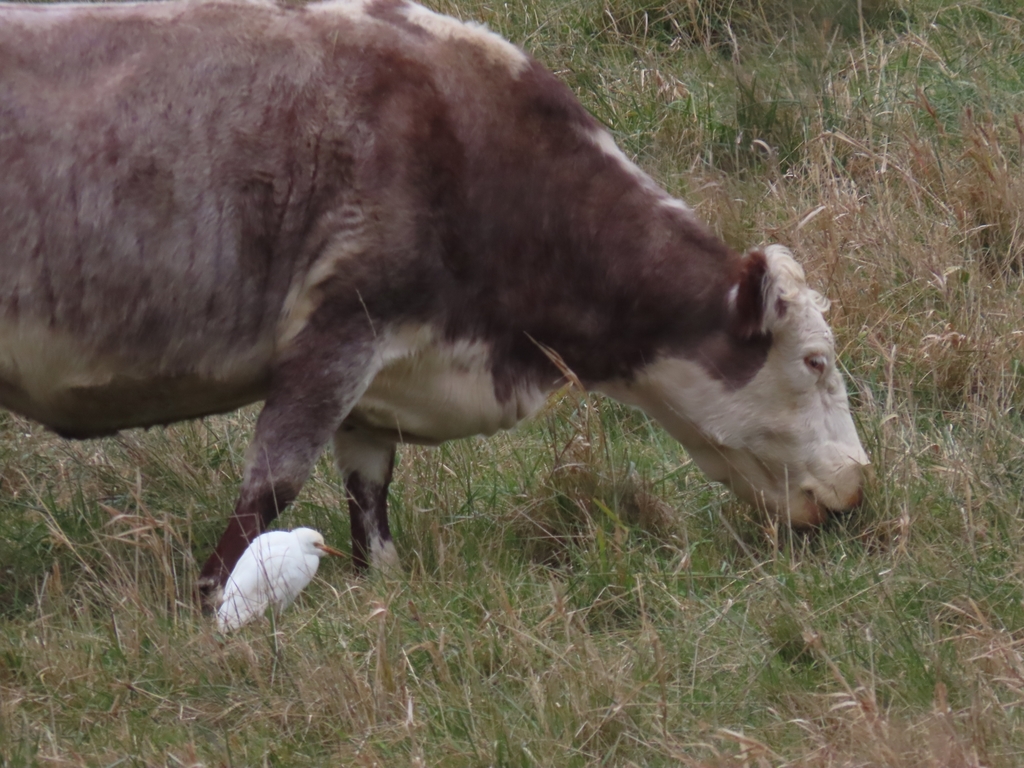
Tony Ward found this Western Cattle-Egret in a field just north of Thessalon a few years ago in November. This southern species is known for showing up out of place to the north late in the fall migration. They get their name from the fact that they are often found taking advantage of the disturbed ground that cattle create, which allows them to easily find insects.
It was really neat both to see this species locally and to see it this close to a cow! The egret was observed in the same field the following day as well, but disappeared the day after after it snowed overnight.
Western Cattle-Egret
View on iNaturalist
Gyrfalcon
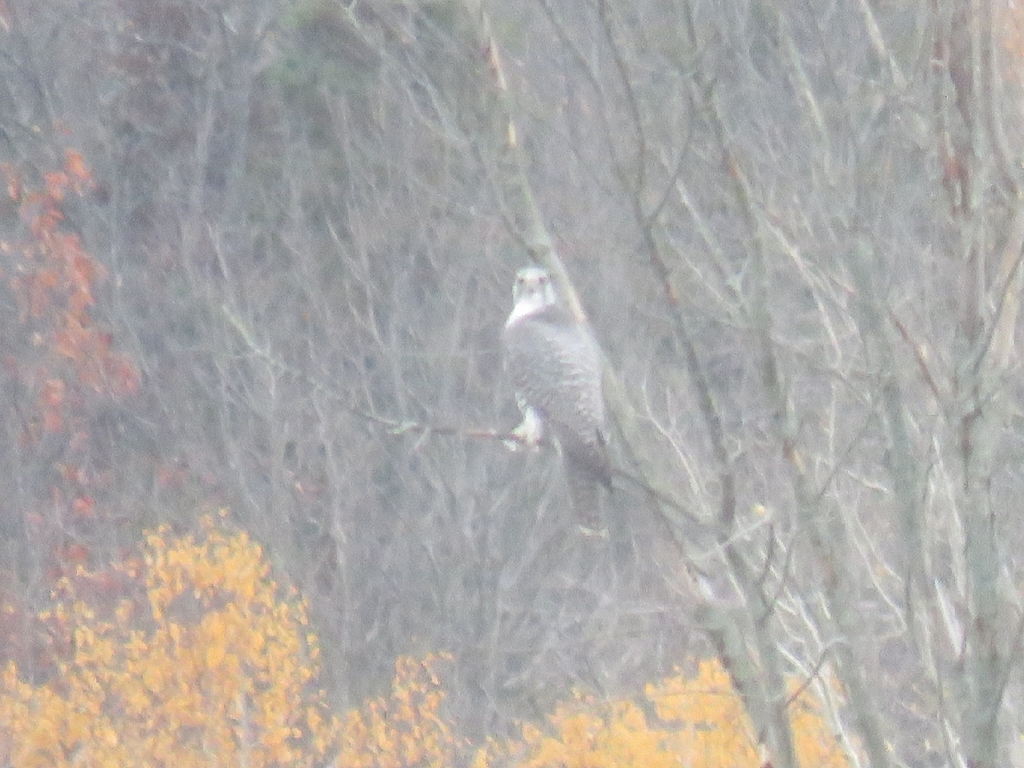
Sheri Minardi found a Gyrfalcon hunting gulls in a field in Laird Township. This Arctic predator is similar to a Peregrine Falcon, but larger and more powerful. They occasionally come south during the winter months, but at least in recent times, they are rarely documented in the Algoma District. This might be the only record that exists for Central Algoma itself.
I was able to see it myself, although at a significant distance. It was sitting in a tree at the back edge of a field when I arrived on scene.
Gyrfalcon
View on iNaturalist
Vermilion Flycatcher
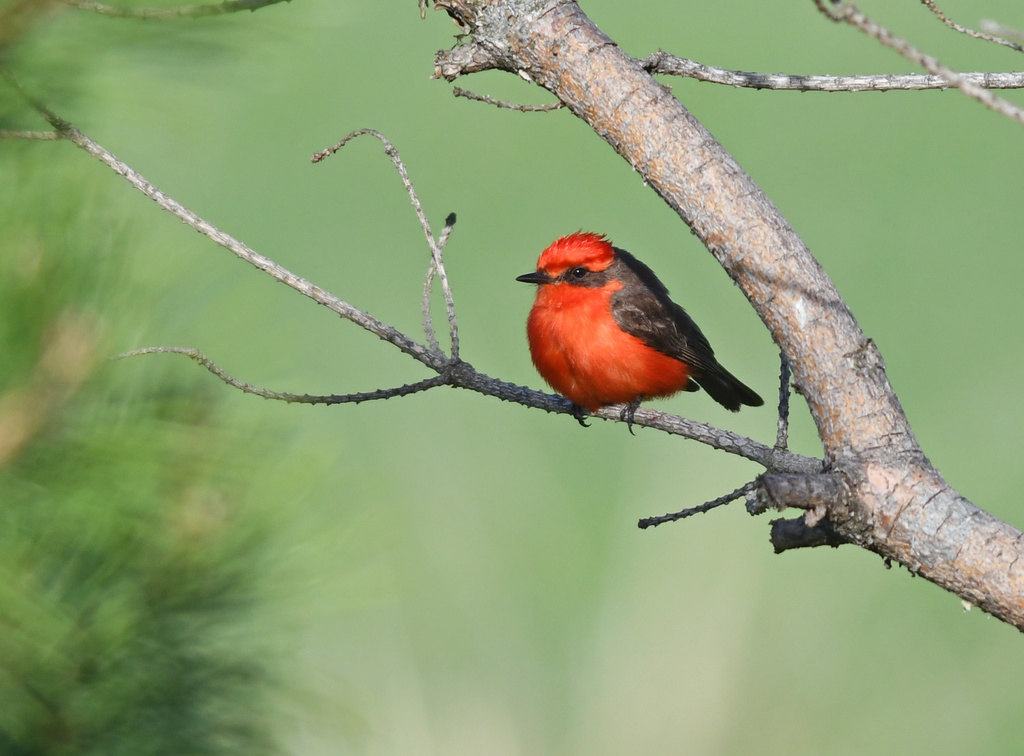
This showstopper spent a couple of days in early June around Jane Smith’s house in Tarbutt Township. It represented one of only a handful of records for Ontario and the first for the Algoma District. They are regularly found in the very southern United States and most of Mexico.
Sadly, I was out of town when this bird showed up. Hopefully I will find one of my own here someday!
Vermilion Flycatcher - Photo by Josh van der Meulen
View on iNaturalist
Tropical Kingbird
This was another great find by Tony Ward along Highway 129 just south of Little Rapids! At the time, this was only the third ever confirmed record of this species for all of Ontario. These birds often do not stay in one place for long, so I hopped in my car right away when Tony texted me about it.
Sure enough, it was nowhere to be found the following day, so I was certainly glad I went when I did. This species is normally found in the extreme southern United States down through South America.
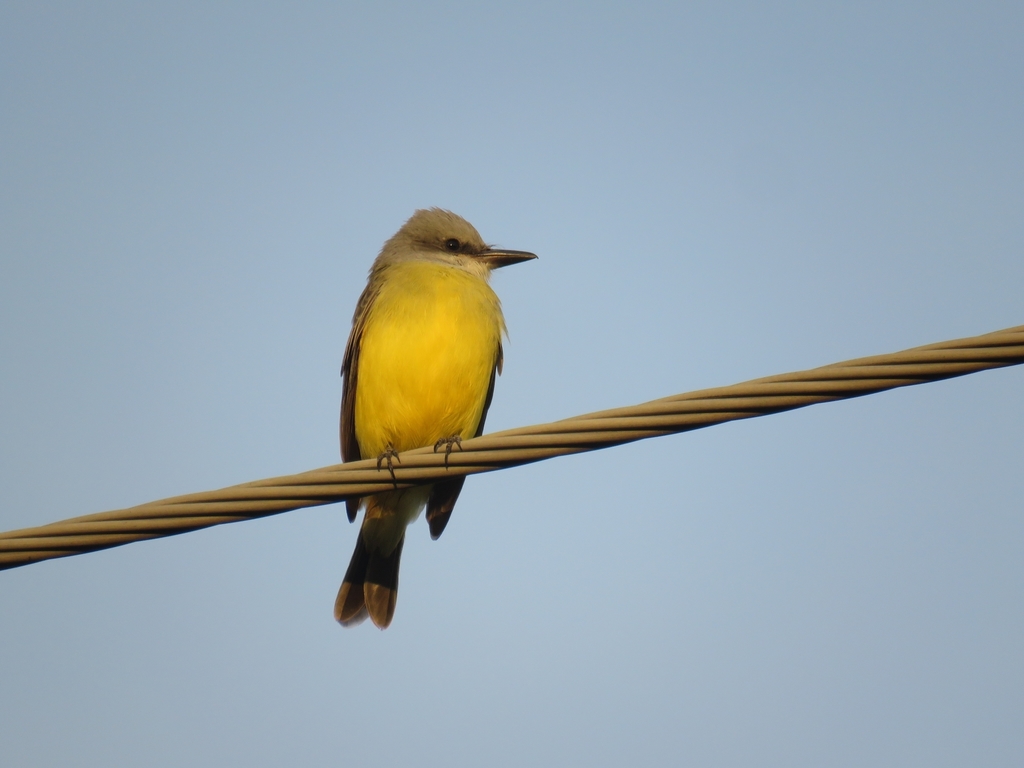
Tropical Kingbird
View on iNaturalist
Scissor-tailed Flycatcher
Mark Olivier found this bird while looking at sparrows along Gordon Lake Road. This is another southern flycatcher species that occasionally shows up out of range to the north. Just look at that tail!
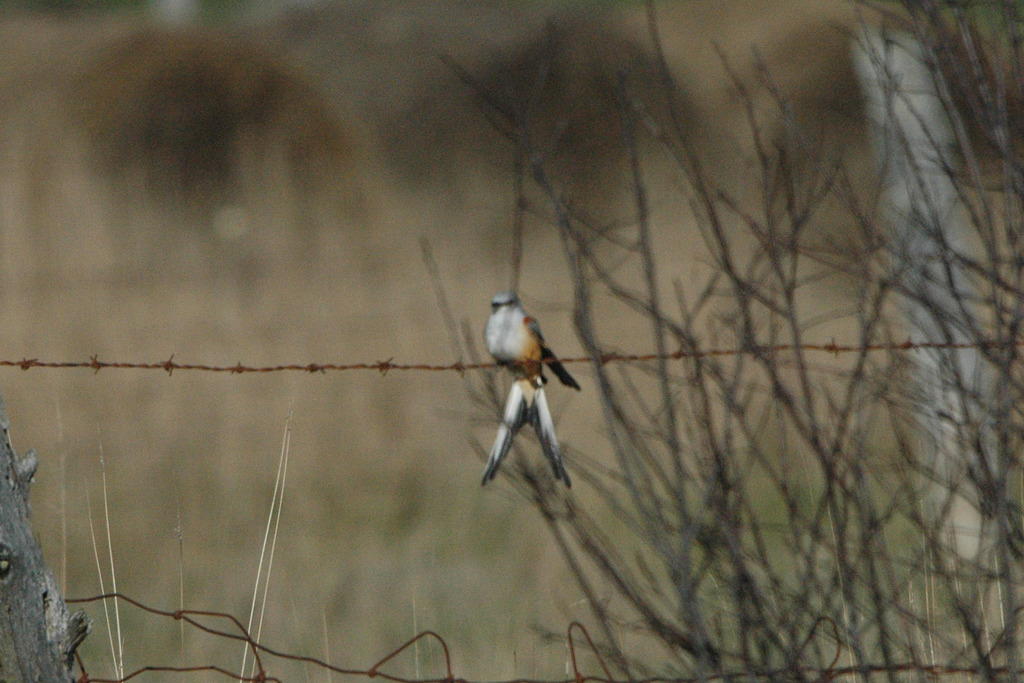
Scissor-tailed Flycacther - Photo by Mark Olivier
View on iNaturalist
Loggerhead Shrikes
While many might be familiar with the Northern Shrike that we have here in the winter months, the Loggerhead Shrike is an at-risk bird species. They used to be prevalent locally almost a century ago, but their population has dropped drastically in Ontario since then. After missing out on one that was observed on St. Joseph Island a few years previously, I was thrilled to find one of my own in Echo Bay.
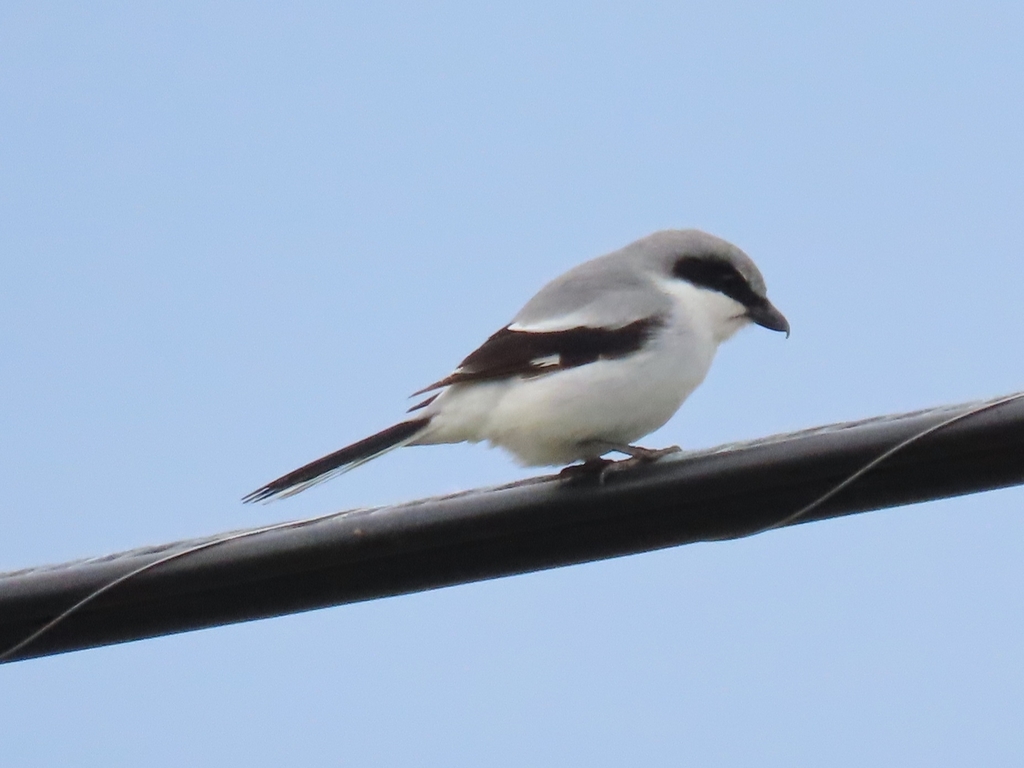
Loggerhead Shrike
View on iNaturalist
Yellow-throated Vireos
Yellow-throated Vireos are found in southern Ontario, but are pretty rare still up this way. Tony Ward found and photographed this one in Thessalon and Trent Massey also recorded one singing in Echo Bay.
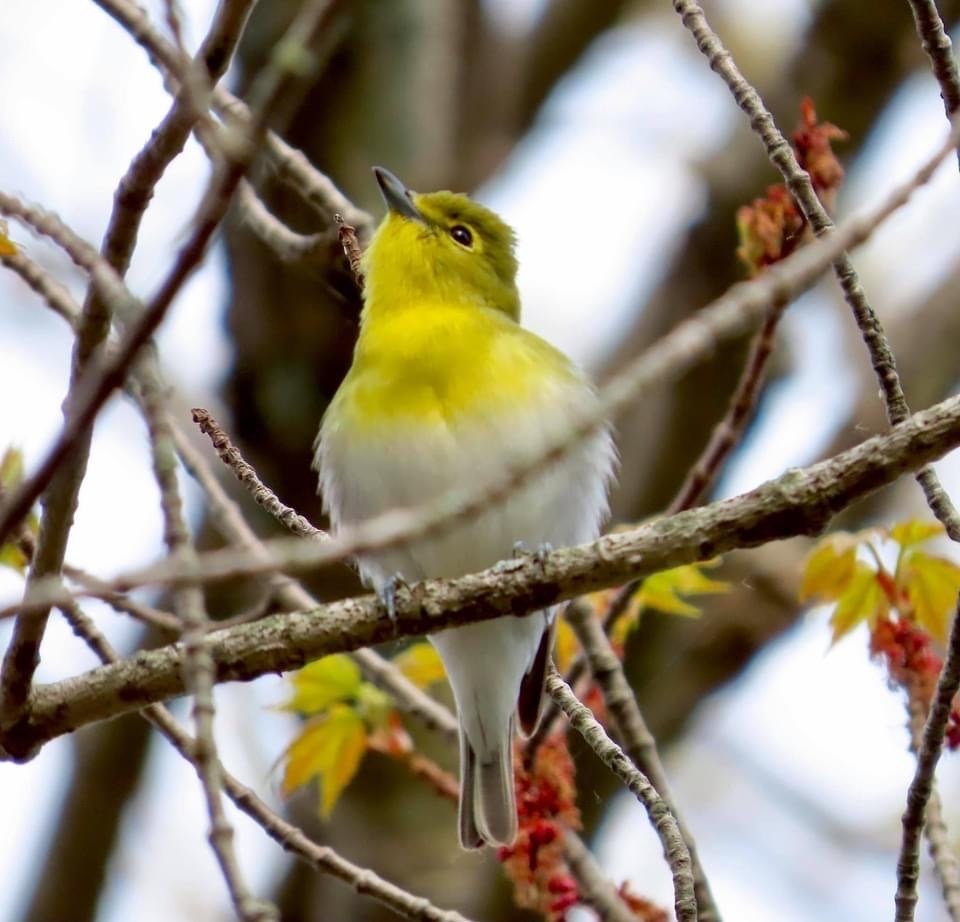
Yellow-throated Vireo - Photo by Tony Ward
View on iNaturalist
Black-billed Magpie
This is a locally famous bird! As the story goes, a Black-billed Magpie showed up along the shores of Echo Lake in the fall of 2013 and stuck around, but its presence was not common knowledge among local birders until 2015. These birds can be quite long-lived, and this individual survived until the fall of 2024, when it was observed acting unusually before disappearing for good.
Black-billed Magpies are considered non-migratory, which makes it extra unusual when one shows up so far out of range. While they are a staple of the west, their regular range in Ontario only extends as far east as the Dryden area.
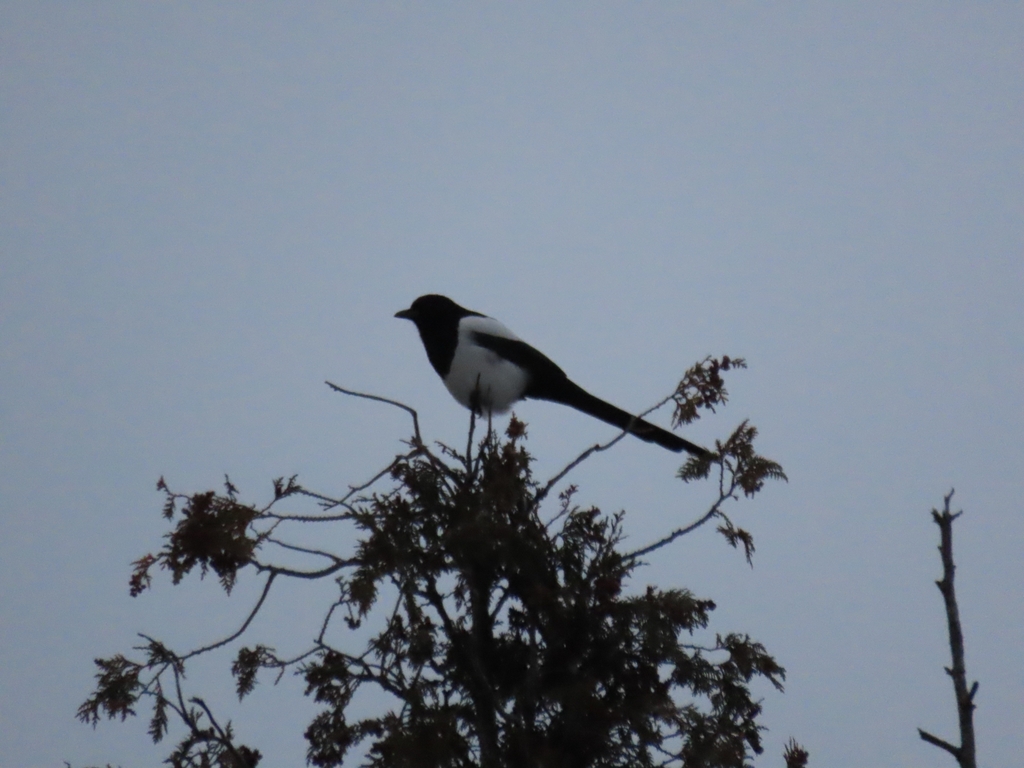
Black-billed Magpie
View on iNaturalist
Tufted Titmouse
While they are common in the deciduous forests of the eastern United States and parts of extreme southern Ontario, they rarely venture this far north as they are generally non-migratory. This individual spent a few days visiting Rita Saunders’ feeder in Little Rapids, and I had the pleasure of seeing it myself.
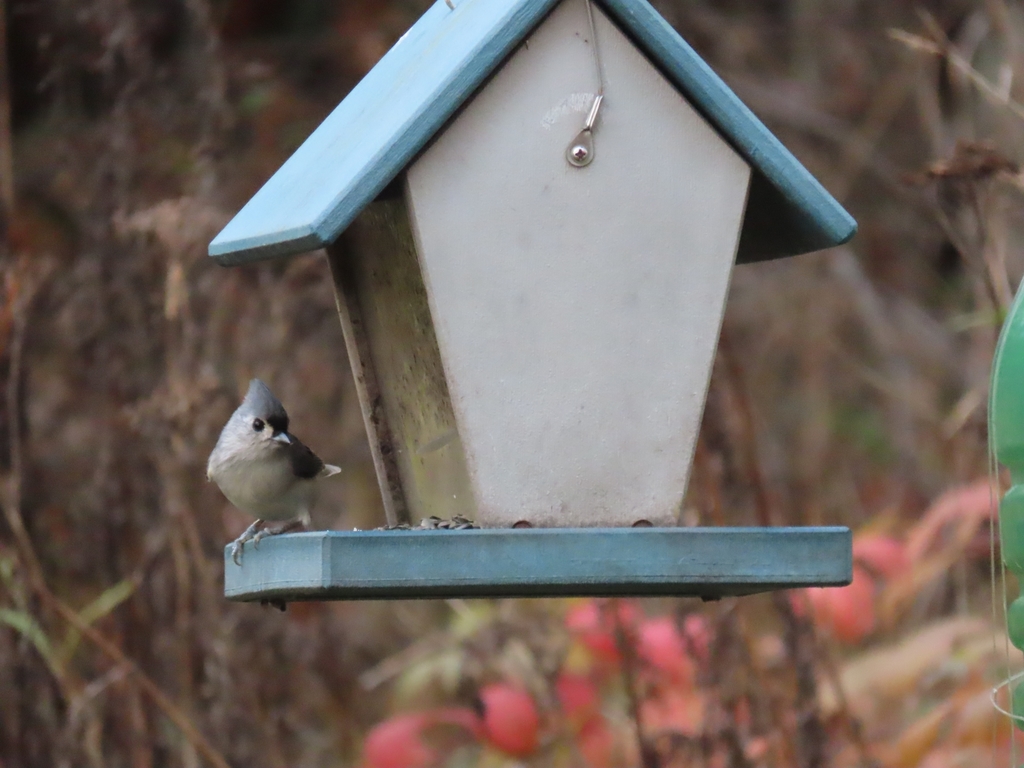
Tufted Titmouse
View on iNaturalist
Purple Martin
This species of swallow used to be common here, but their population crashed drastically starting in the 1970s. You can still see several martin nesting boxes up locally, but today there are no martins to use them.
I was thrilled to see this one fly over Fort St. Joseph a couple of springs ago, marking the first time one has been documented locally in a very long time. Unfortunately, it is likely not an early sign of a population rebound, but rather just an individual bird that flew too far north during migration.
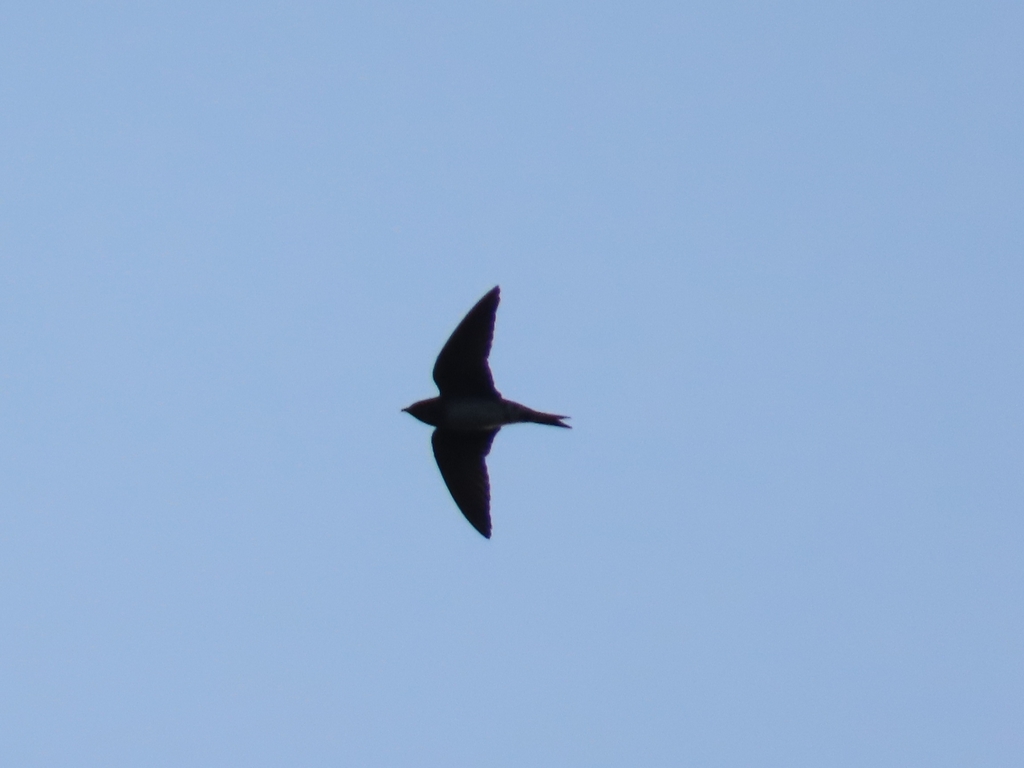
Purple Martin
View on iNaturalist
Mountain Bluebird
Another find by Jane Smith, this Mountain Bluebird spent some time around her house in Tarbutt Township one fall. It took me several attempts, but I finally got to see it myself!
Their behavior is very similar to our regular Eastern Bluebirds, often seen perching on fences or hovering over open fields to hunt. While breeding males are a brilliant, solid turquoise, fall visitors and females are often much duller in appearance, appearing mostly grey with subtle blue tints in the wings and tail.
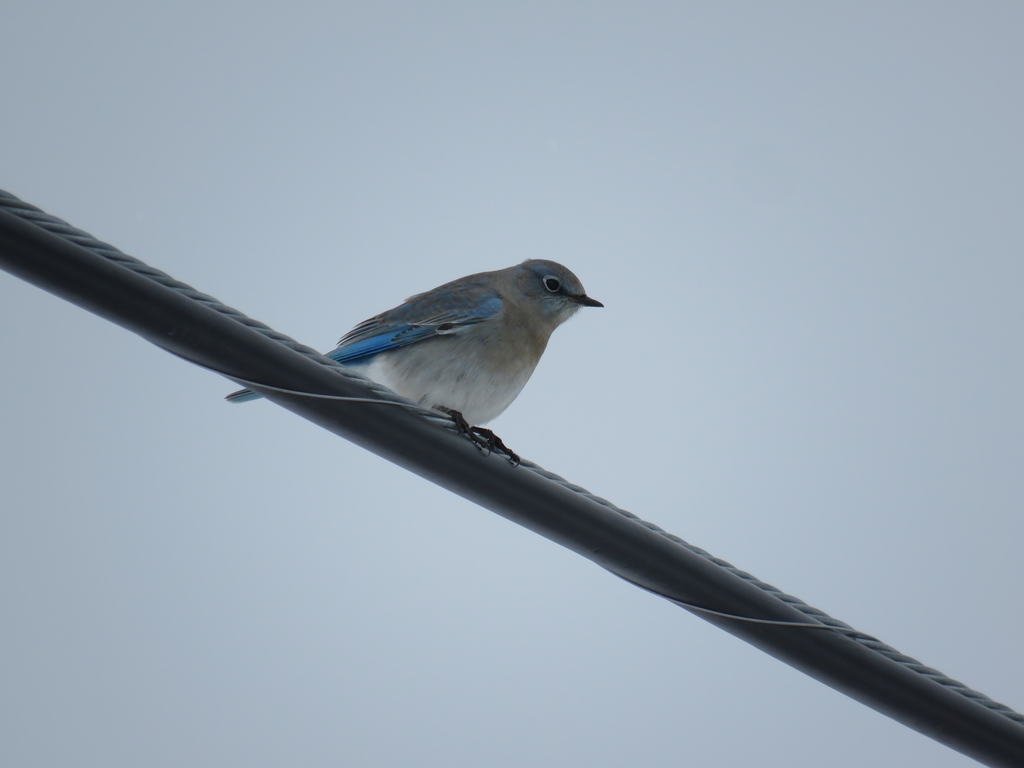
Mountain Bluebird
View on iNaturalist
Varied Thrushes
Sue and Alfred Bihler had this Varied Thrush spend the winter at their bird feeders on St. Joseph Island. I had the pleasure of seeing it a few times during its stay. One was also photographed at a residence along Lakeshore Drive in Tarbutt Township a few years ago.
While these birds are typically found in the old-growth forests of the Pacific Northwest, they are famous for wandering east during the winter months. They look somewhat like a "fancy" robin, but their striking black breast band and orange wing bars make them one of the most beautiful western rarities to visit our local feeders.
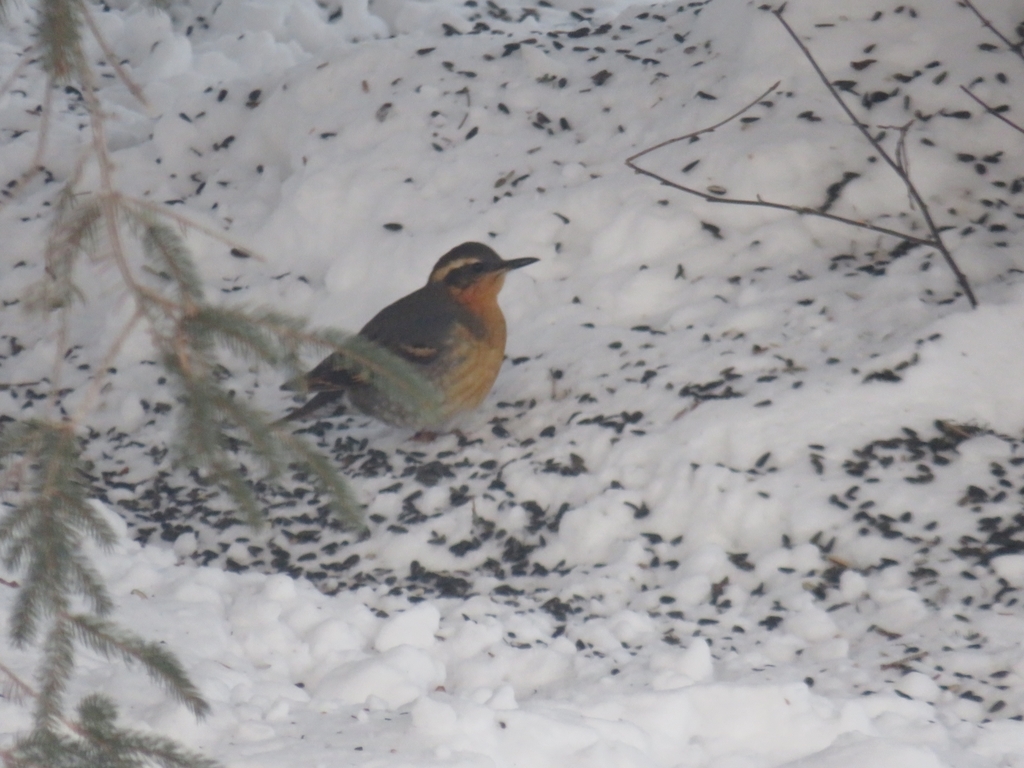
Varied Thrush
View on iNaturalist
Eurasian Tree Sparrows
Eurasian Tree Sparrows were introduced to North America like their cousin, the House Sparrow, but they did not initially expand rapidly and were mostly contained to the St. Louis area. However, within the last several years, there have been more and more sightings of them within the Great Lakes region, especially during the spring.
While still considered rare in Ontario, Central Algoma and the Algoma District as a whole have had a number of documented records recently. I’ve seen them on three occasions now at Fort St. Joseph, including a high count of at least five individuals on a single day. There have also been multiple sightings in the Thessalon area, including five individuals that overwintered at someone’s feeder. Other sightings in Central Algoma include elsewhere on St. Joseph Island, Laird Township, and Desbarats.
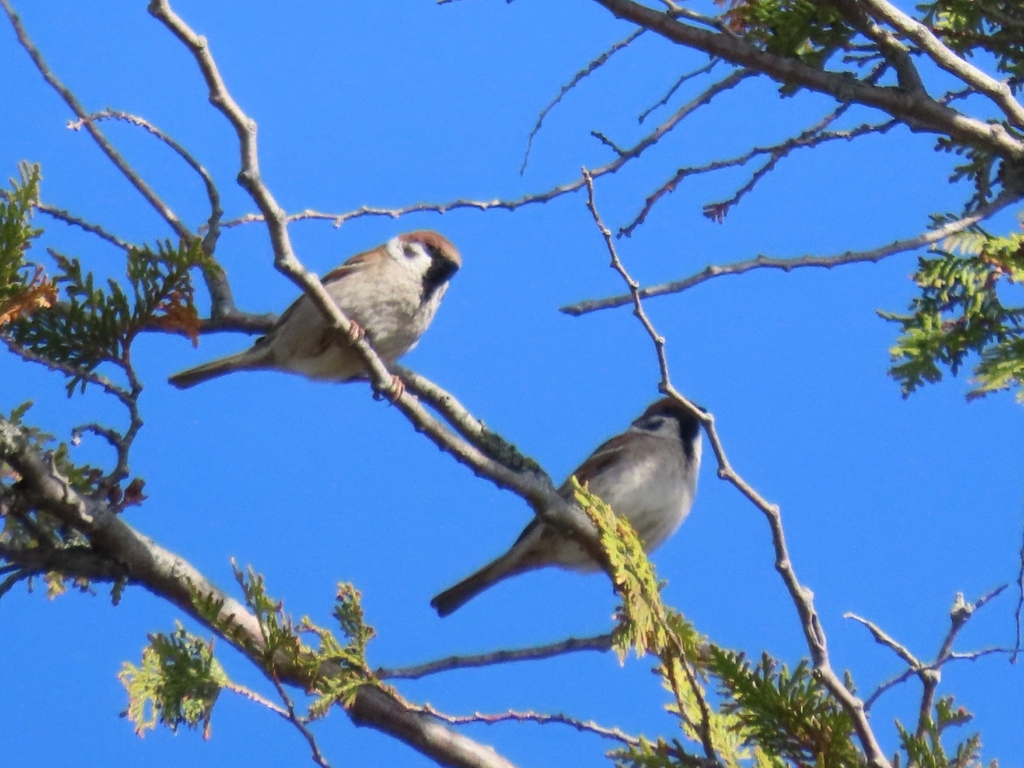
Eurasian Tree Sparrows
View on iNaturalist
Lark Sparrow
Tony Ward had this western sparrow visit his house in Thessalon one day in May. While I have seen this species a few times in Manitoba, I made sure to head to his place so I could say I’ve seen it locally as well.
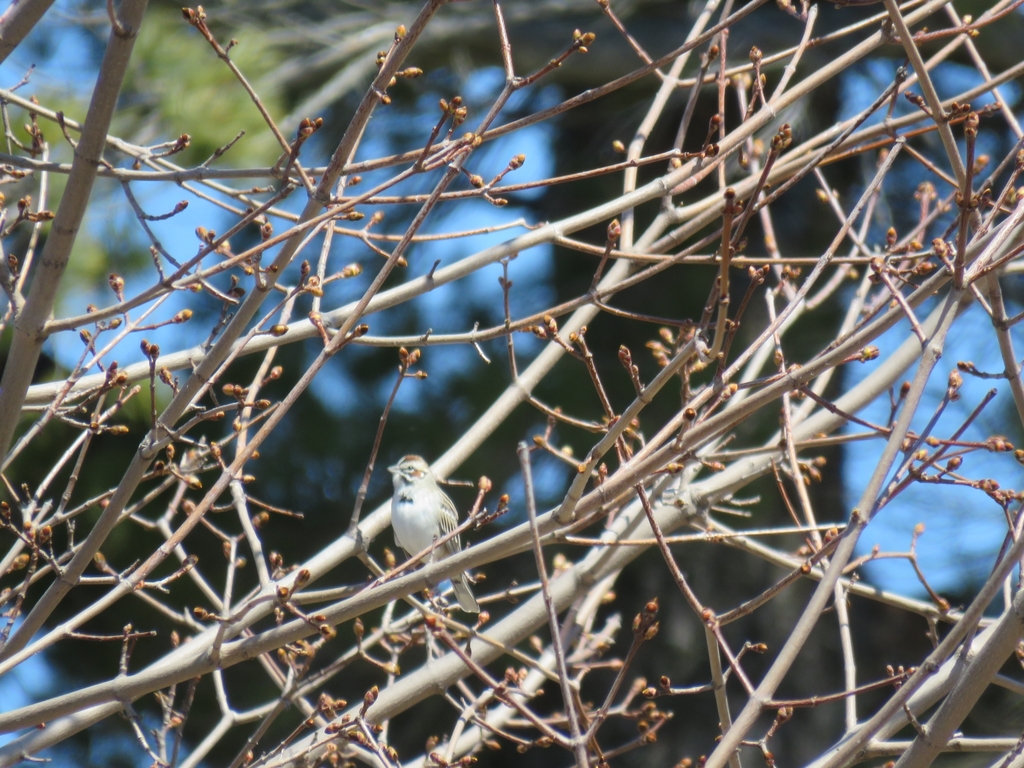
Lark Sparrow
View on iNaturalist
Lark Bunting
Hope Boudah had this large sparrow species visit her yard in Wharncliffe a couple of years ago. This was a monumental sighting, as it marked the first time a Lark Bunting has ever been documented in Central Algoma!
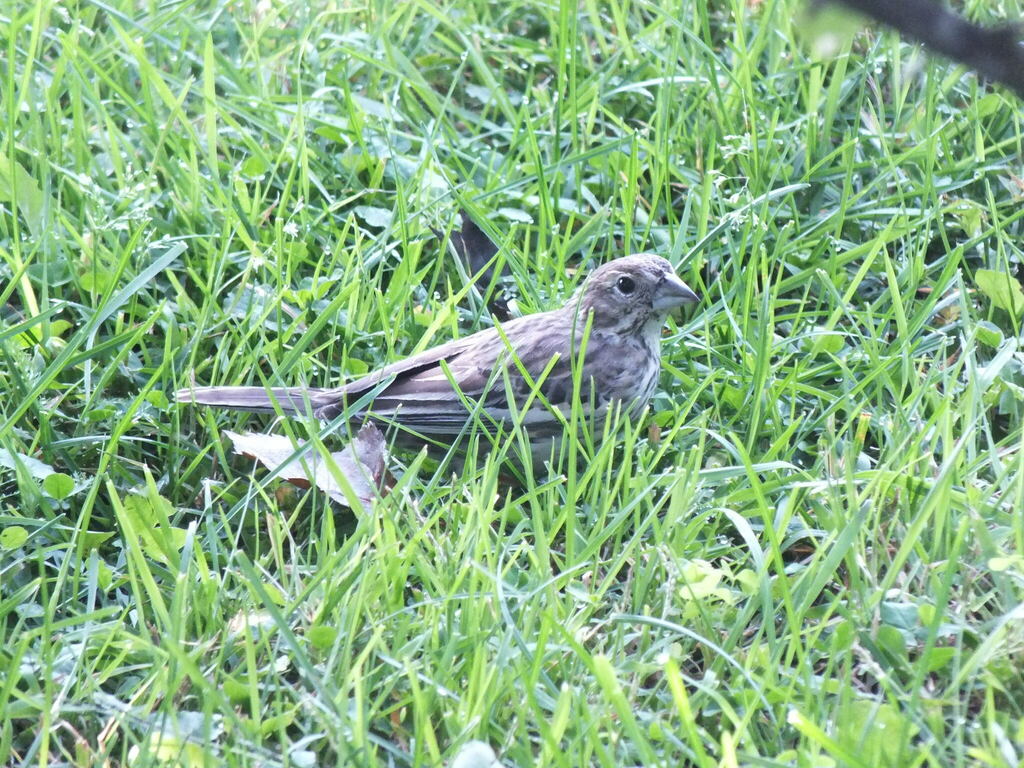
Lark Bunting - Photo by Hope Boudah
View on iNaturalist
Spotted Towhees
Another large sparrow species from the West, there have been two Spotted Towhees observed visiting bird feeders in Central Algoma. The first was found in Tony Ward’s yard in Thessalon, and the second visited Rosalie and Andre Sauve’s yard on St. Joseph Island.
While they are very closely related to Eastern Towhee (which are uncommon locally too), these visitors are distinguished by the heavy white spotting on their wings and back.
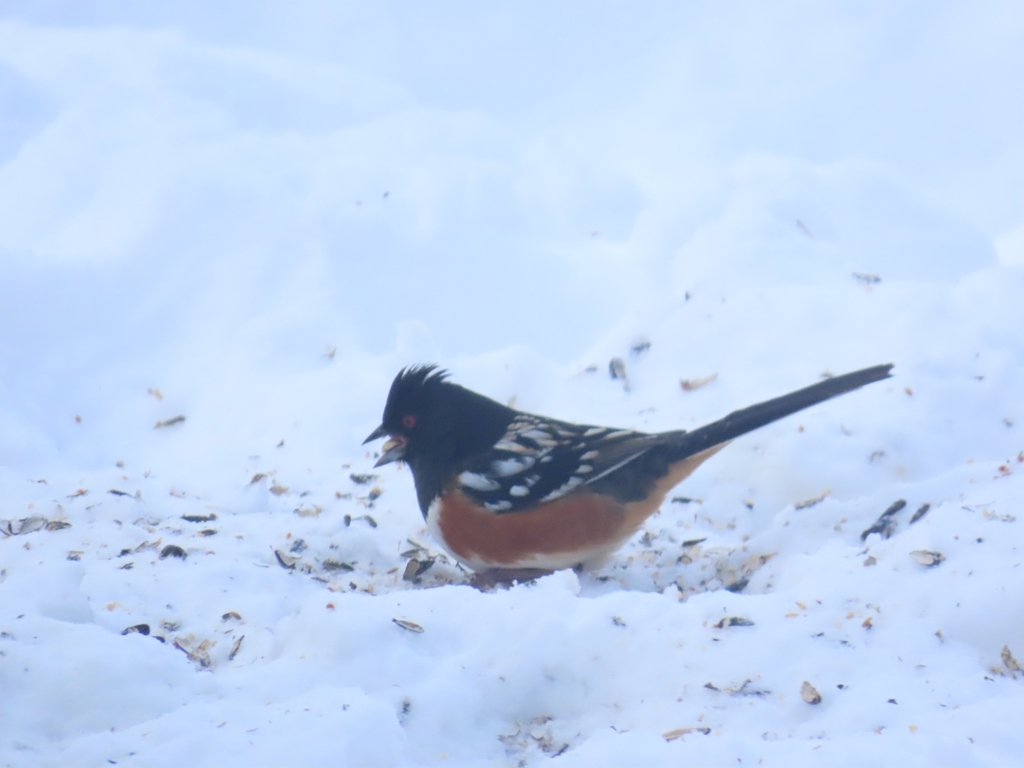
Spotted Towhee
View on iNaturalist
Yellow-throated Warbler
Jane Smith had this southern warbler species visit her bird feeders in Tarbutt Township. While I have seen a number of them while birding in the Caribbean, I had never seen one locally, so I headed there as soon as I could. It took a few hours of waiting, but the bird finally reappeared and proved to be very photogenic. This sighting was a major milestone, as it was the first time a Yellow-throated Warbler has been documented in Central Algoma!
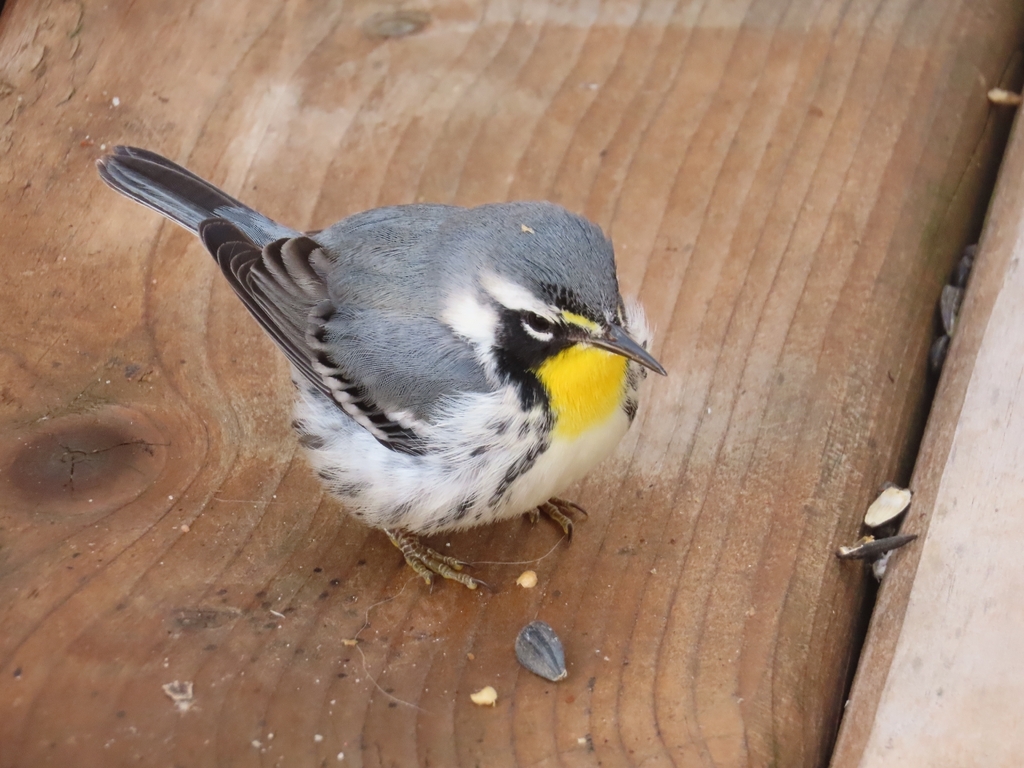
Yellow-throated Warbler
View on iNaturalist
Western Tanager
This was a major personal highlight for me, as this rare visitor showed up right in my own yard in Echo Bay! Western Tanagers are typically found in the coniferous forests of the west and are quite rare in the east. While there are a few scattered records for the broader Algoma District, this marked the very first one ever documented for Central Algoma. It stayed for five days, allowing many local birders the chance to come by and see it.
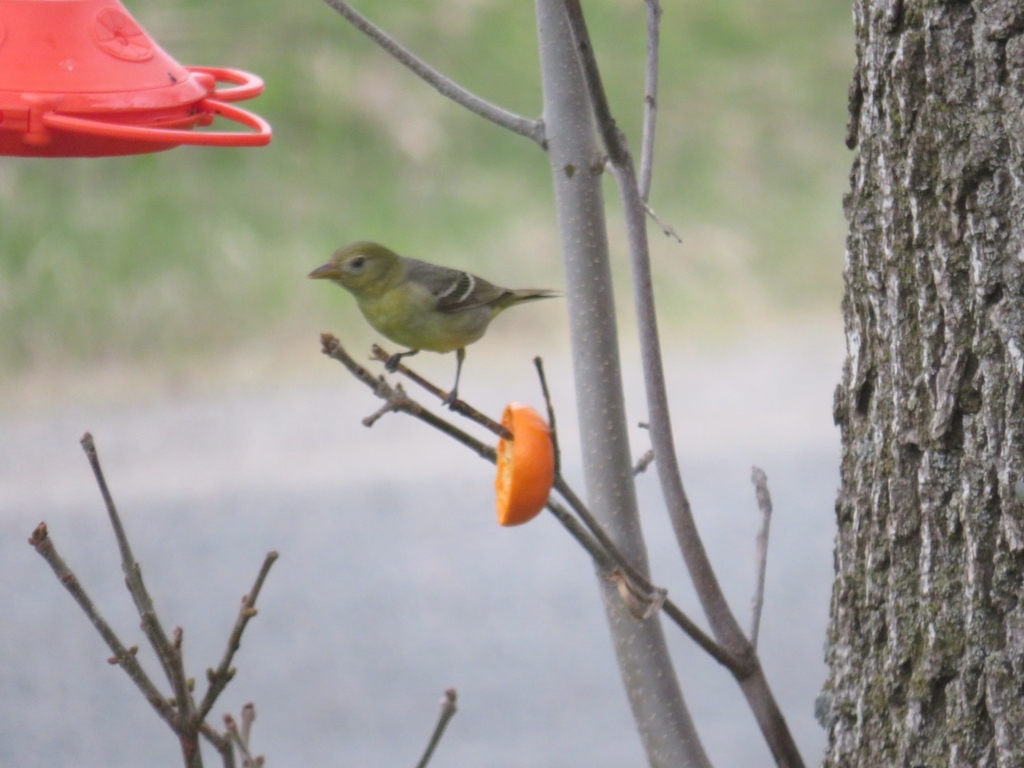
Western Tanager
View on iNaturalist
Dickcissels
This bird was found by a visiting birder, David Pryor, in Desbarats one summer. Remarkably, it was only a few hundred metres away from the office trailer we were working in at the time. I managed to get up there quickly to see it myself, though it kept its distance.
This species is a bit of a wanderer. While their heartland is the midwestern prairies, they are known for "irruptions" where they appear in large numbers outside their normal range. In addition to the Desbarats bird, Tony Ward has photographed one in Thessalon, and I even had one fly overhead once at Fort St. Joseph.
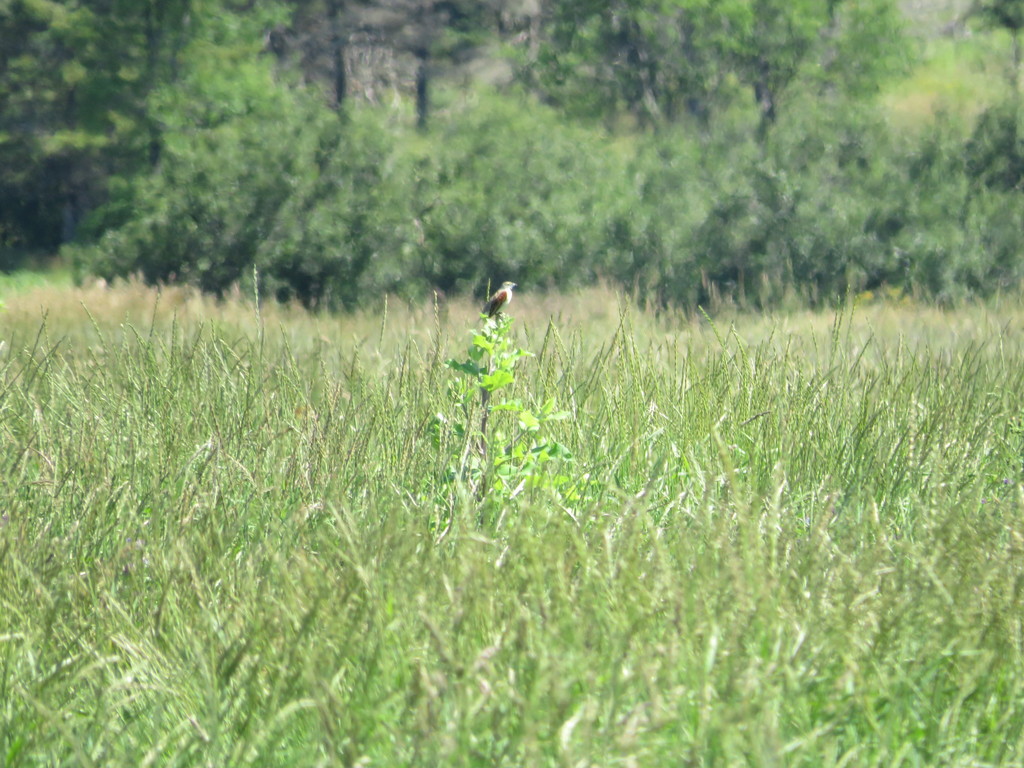
Dickcissel
View on iNaturalist
Western Meadowlarks
Barb Good had this Western Meadowlark visit her farm in Tarbutt Township early one spring. They are extremely similar to our Eastern Meadowlarks, but they have slightly different patterning on their tail feathers and more yellow in their malar. Most distinctly, they sing a very different, more flute-like song compared to the buzzy whistle of the Eastern species.
While Eastern Meadowlarks are the expected species in our local fields, the Western Meadowlark is a rare visitor from the prairies. Distinguishing the two takes a very keen eye for detail or a lucky moment where the bird decides to sing. There have been a handful of other Western Meadowlark records across Central Algoma recently as well.
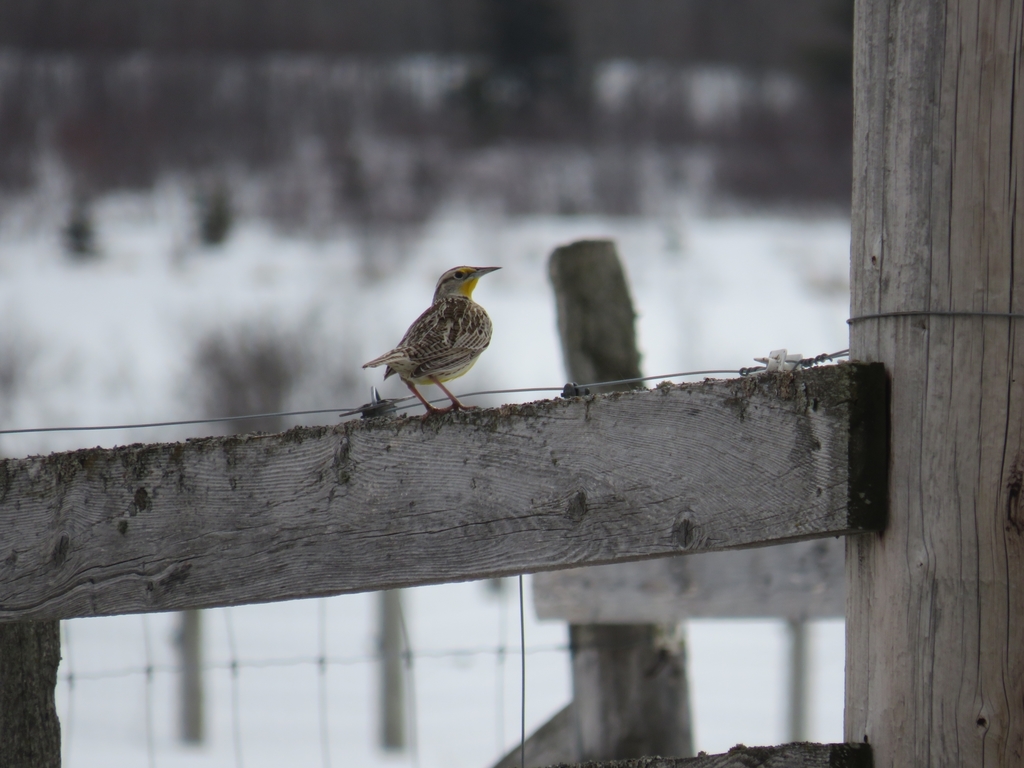
Western Meadowlark
View on iNaturalist
Orchard Oriole
Not to be confused with our regular Baltimore Orioles, Orchard Orioles are quite rare this far north. However, there have been a few of them in recent years within Central Algoma. This includes one on St. Joseph Island, one in Desbarats, and a few individuals in Thessalon.
These are the smallest orioles in North America. Unlike the flaming orange of the Baltimore Oriole, the adult male Orchard Oriole has a much deeper, brick-red or chestnut color.
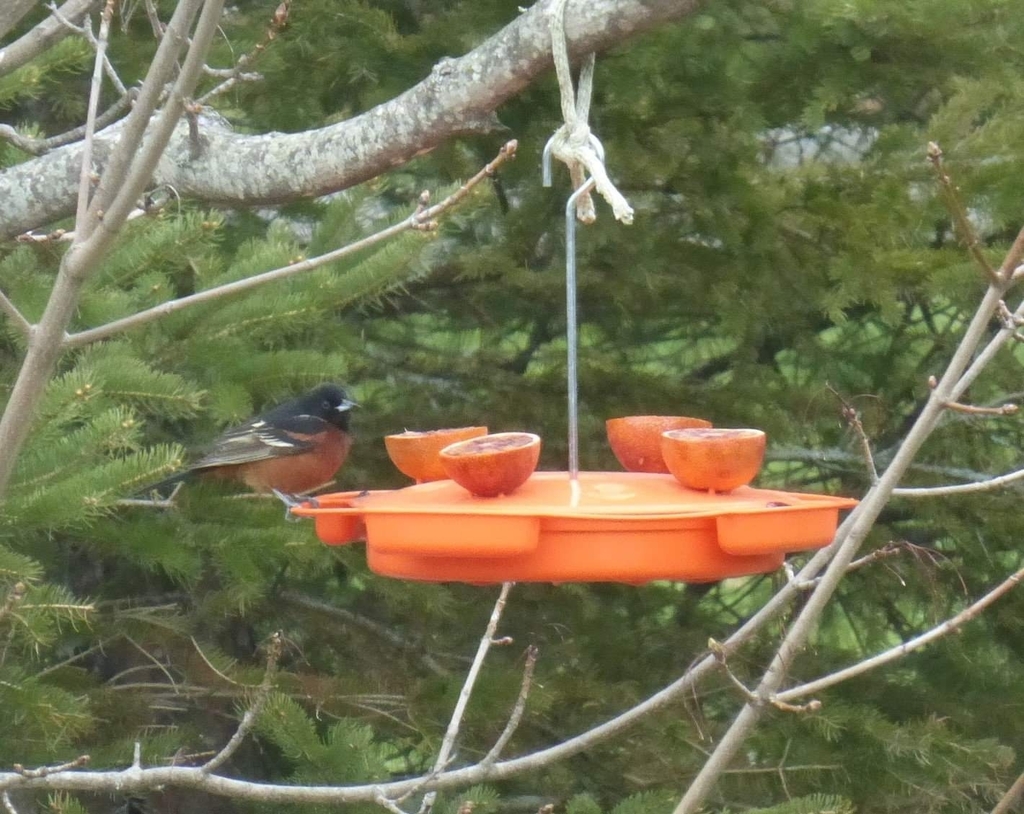
Orchard Oriole - Photo by Tina Johncox
View on iNaturalist
If you have made it this far, you now have a sense of just how diverse the birdlife in our corner of the world can be. While the thirty birds listed here are some of the most unusual or memorable highlights, they are only a small fraction of the story. There are roughly 250 other bird species that have been documented in Central Algoma, ranging from our common backyard residents to the steady stream of regular migrants that pass through every year.
Every rare bird that shows up in our region tells a unique story of survival and chance. Some of these visitors are just passing through on a windy spring day, while others choose to spend an entire winter at a local feeder. These sightings do more than just add a new name to a life list. They remind us that the natural world is always in motion and that Central Algoma plays a small but vital role in the much larger journey of North American bird migration.
The Central Algoma Land Trust depends on the generous support of our local community to carry out our work. Please consider making a donation to help advance conservation efforts across the Central Algoma region. Your contribution will help protect the natural spaces and wildlife that make this area so special.