Written by Carter Dorscht, Executive Director
In the early summer of 2024, Trent Massey had a significant sighting at Fort St. Joseph, a Widow Skimmer! This marked the first ever documented record of this dragonfly species for both Central Algoma and the entire Algoma District.
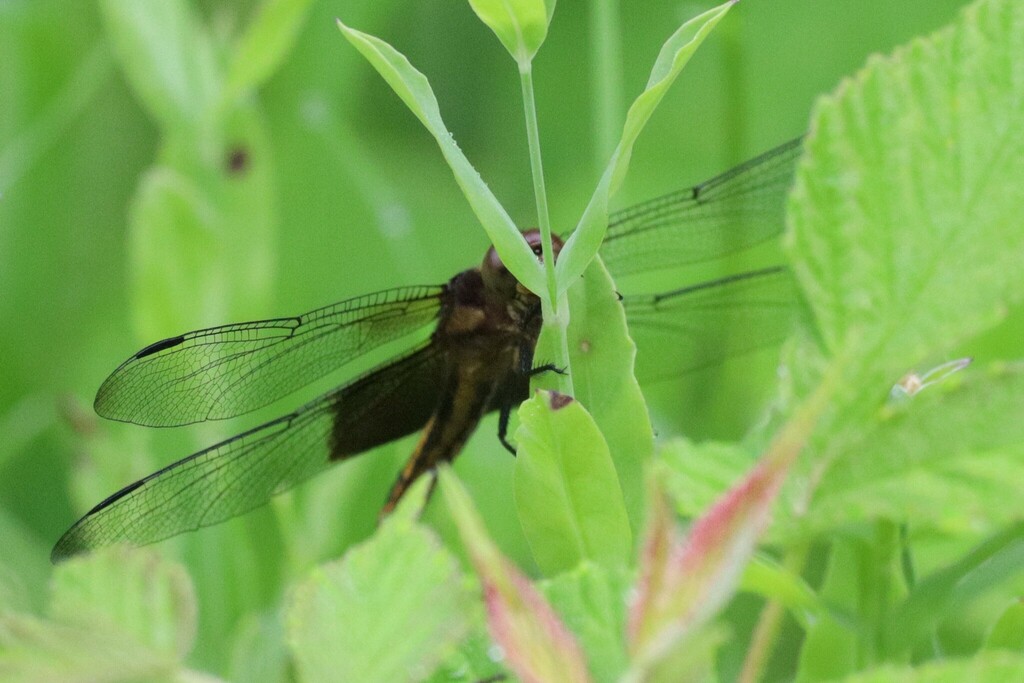
Widow Skimmer - Photo by Trent Massey
View on
Within the next couple of weeks, there were three more Widow Skimmers reported off the southern shorelines of St. Joseph Island, including two individuals that I personally found near Whiskey Bay. Here is one of the photos i got:
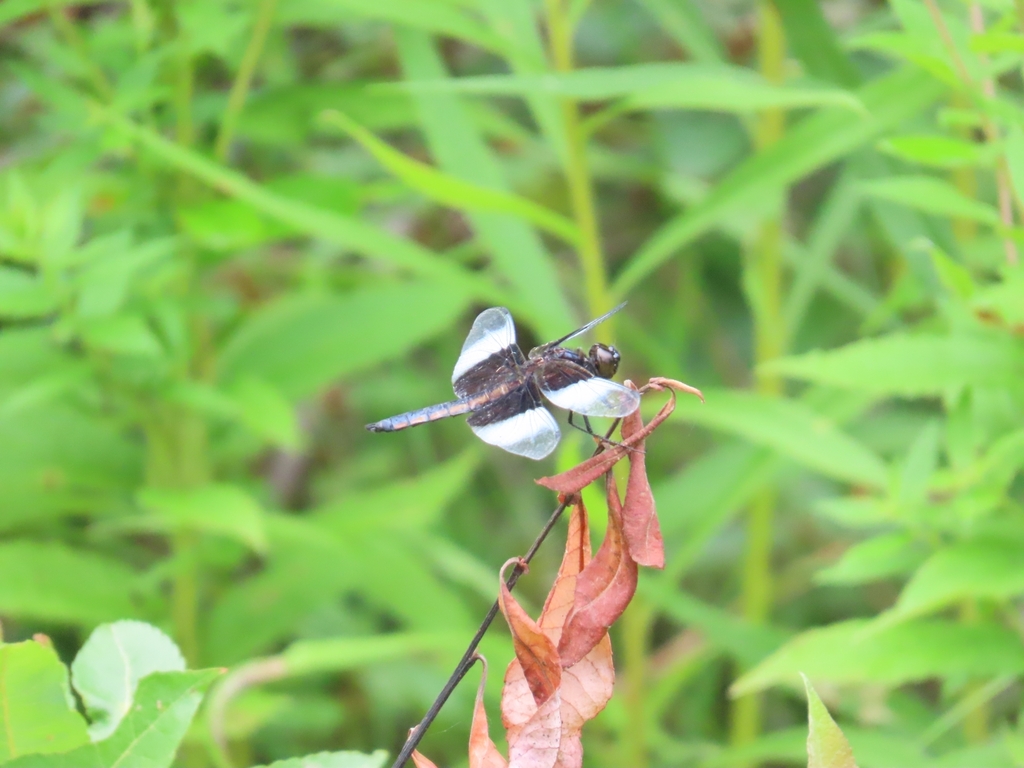
Widow Skimmer
View on
Flash forward to the summer of 2025, there were no Widow Skimmers reported. So, was 2024 was just a one-time phenomenon or it just a coincidence that nobody who knew what to look for saw one? My guess is the latter. So in 2026, I am hoping to answer the question of if Widow Skimmers have truly established the Central Algoma region as their home.
Widow Skimmers are a common species not far too the south of us and isn’t considered at-risk, so why does this matter? Tracking range expansions like this is a vital part of modern conservation. As our climate and landscapes change, species are moving into new territories to find the habitats they need to survive. When a new species like the Widow Skimmer shows up, it acts as an indicator of how our local ecosystem is shifting. By documenting these arrivals, we are building a map of how nature in Central Algoma is responding to a changing world. Therefore, I’m asking for the community’s help with a search for them this summer.
Here is the map of Widow Skimmer observations from iNaturalist. There have also been a few records in nearby Michigan as well.
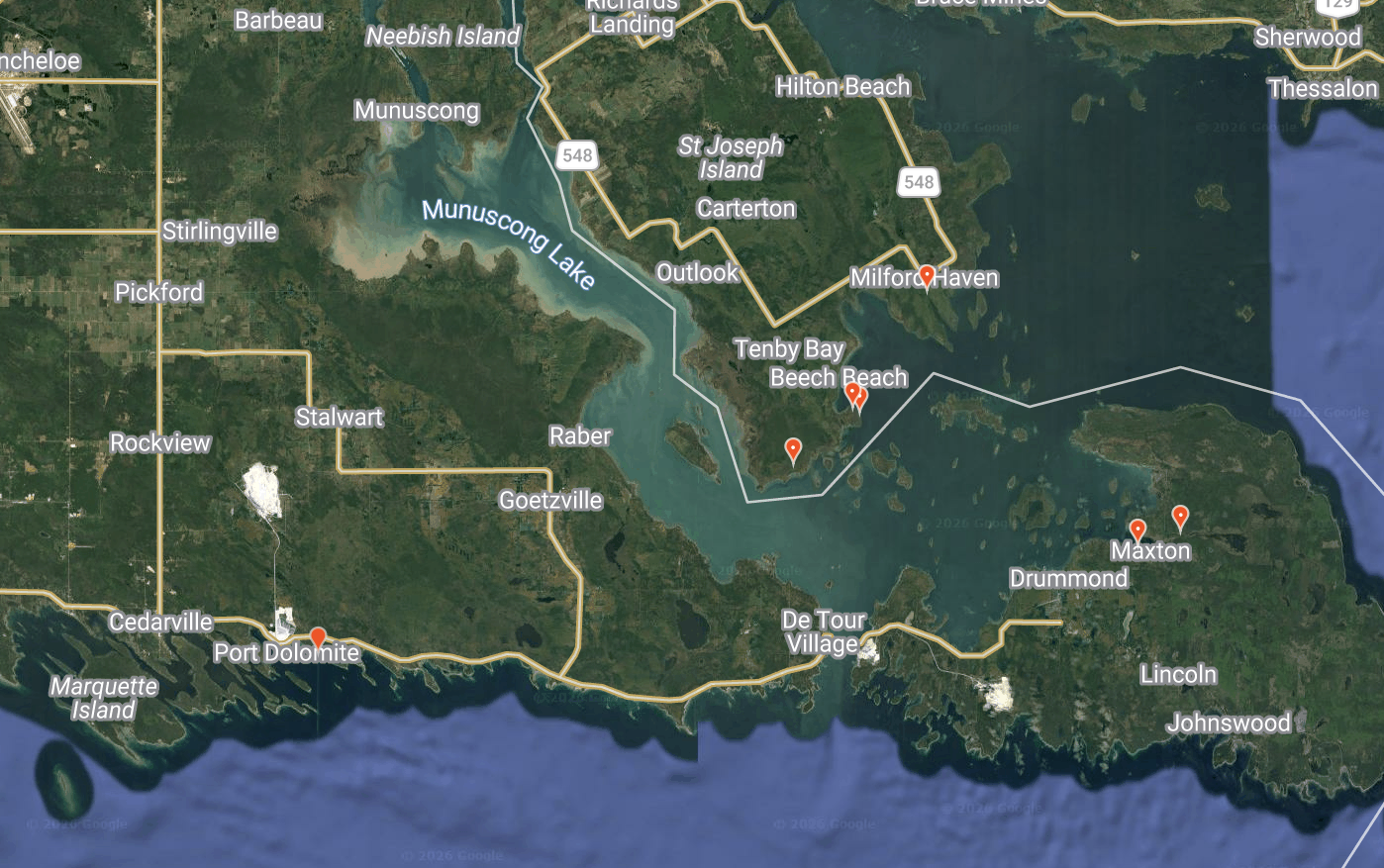
Click here to view interactive map.
They are large and bold dragonflies. The males are particularly easy to spot because of the large, dark brown patches at the base of their wings, followed by a bright white band. The tips of their wings are clear. No other local dragonfly has that specific "dark-white-clear" pattern on its wings. The females and younger males are also distinctive. They have the same dark patches at the wing base, but instead of the white band, they have a yellow stripe running down each side of their bodies.
Here’s a photo of one I did see last year, but further south in Six Mile Lake Provincial Park in Muskoka District:
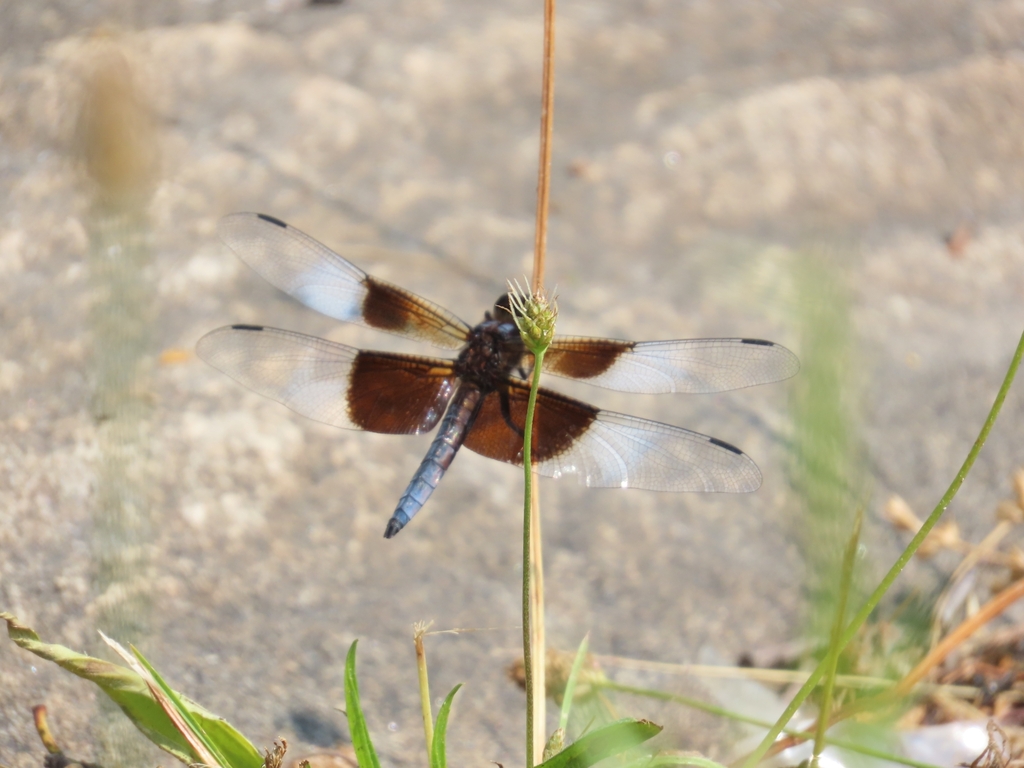
Widow Skimmer
View on
To find a Widow Skimmer, look for still or slow-moving water like ponds, shorelines, or marshes. They love to perch on the very tips of tall grasses or aquatic plants, where they can dive out to catch other insects. I’m guessing that the southern shorelines of St. Joseph Island will be the best places to look, but they could show up anywhere with suitable habitat.
If you see one, even if you don’t get a photo, please report it to iNaturalist or submit it directly to us here at the Central Algoma Land Trust.
Widow Skimmers aren’t the only dragonfly species newly documented around here. In the summer of 2025, I found multiple Wandering Gliders, a Spot-winged Glider, and a Variegated Meadowhawk in the Central Algoma region. All three were first local records.
Are these species potentially expanding their range, or have there just not been enough people out documenting dragonflies locally? Since all three species have numerous records to the north of us, it is likely they have simply gone undetected until now. However, tracking their presence is still important. It helps us understand the full diversity of our local ecosystem and ensures we have a clear baseline for what lives in Central Algoma.
The Central Algoma Land Trust depends on the generous support of our local community to carry out our work. Please consider making a donation to help advance conservation efforts across the Central Algoma region. Your contribution will help protect the natural spaces and wildlife that make this area so special.