At-risk Aquatic Acrobat Brings National Recognition to Small Northern Stream
Two Tree River identified as a Key Biodiversity Area for the northernmost Canadian population of Redside Dace.
Note: This press release was originally issued by Wildlife Conservation Society Canada (WCS Canada). We are proud to be featured in this announcement highlighting the establishment of the Two Tree River KBA. The original release can be found here.
[Algoma District, ON] - Two Tree River, a small waterway on St. Joseph Island in the Lake Huron watershed near Sault Ste. Marie, has been identified as a Key Biodiversity Area (KBA), thanks to the presence of a unique aquatic acrobat. The area joins a national network of sites that are critical to the persistence of Canada’s most exceptional biodiversity.
This quiet river holds a distinction found nowhere else in the country: it supports Canada’s northernmost population of Redside Dace (Clinostomus elongatus), an acrobatic minnow famous for being the only minnow in Canada that leaps out of the water to catch flying insects. With its bright red stripe, short lifespan, and unusual habit of using the nests of other fish species for spawning, Redside Dace is one of Canada’s most distinctive small fishes, and one of its most threatened.
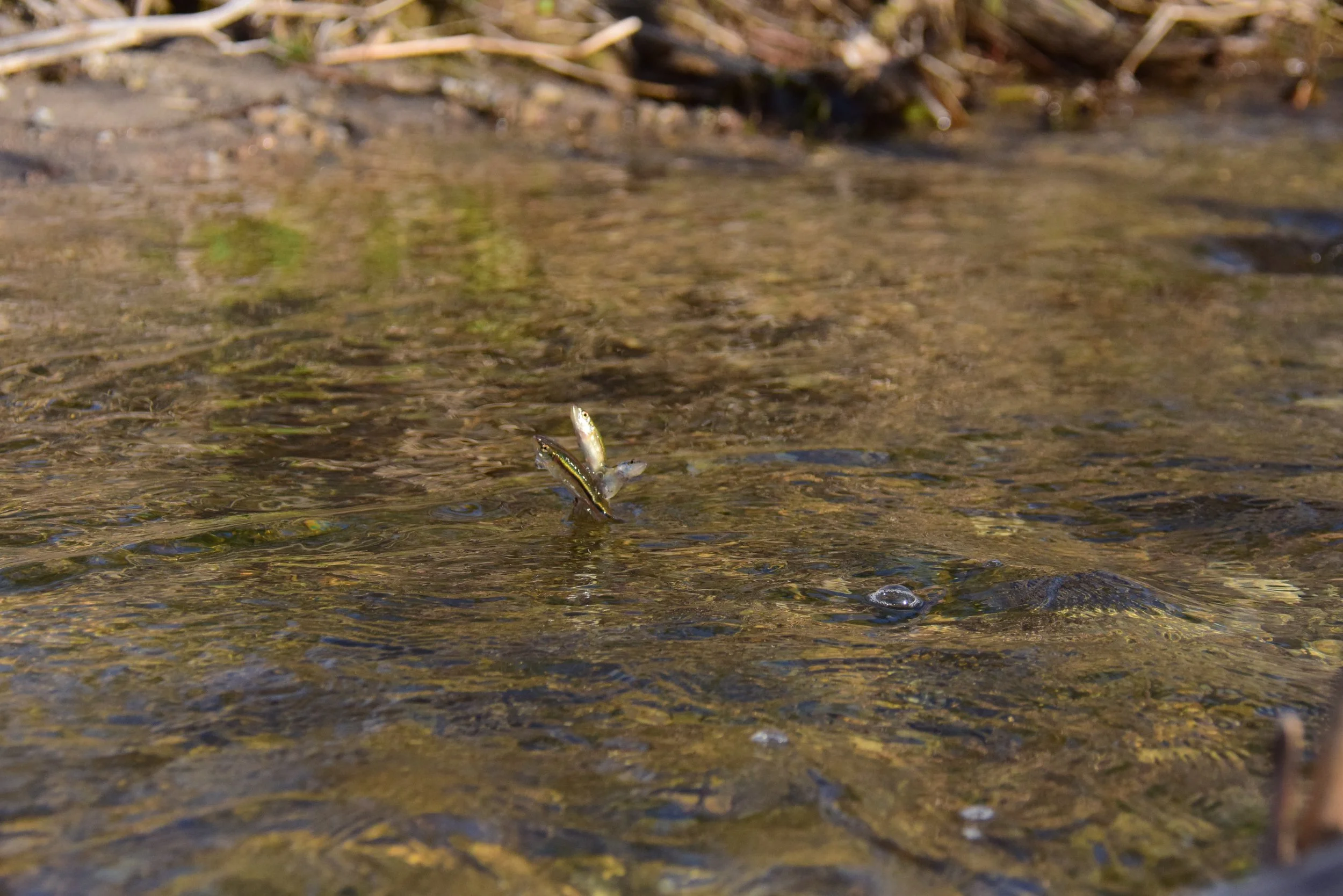
Redside Dace © Below Blue Water Diver
Redside Dace has disappeared from many of its historical streams as habitat has been altered or lost. Habitat degradation associated with urbanization is considered the most important cause of the species’ decline, especially where waterways have been straightened, warmed, or stripped of the vegetation that supports their insect prey. Two Tree River is one of the least human-influenced habitats where the species still lives in largely intact conditions that allow it to feed and reproduce.
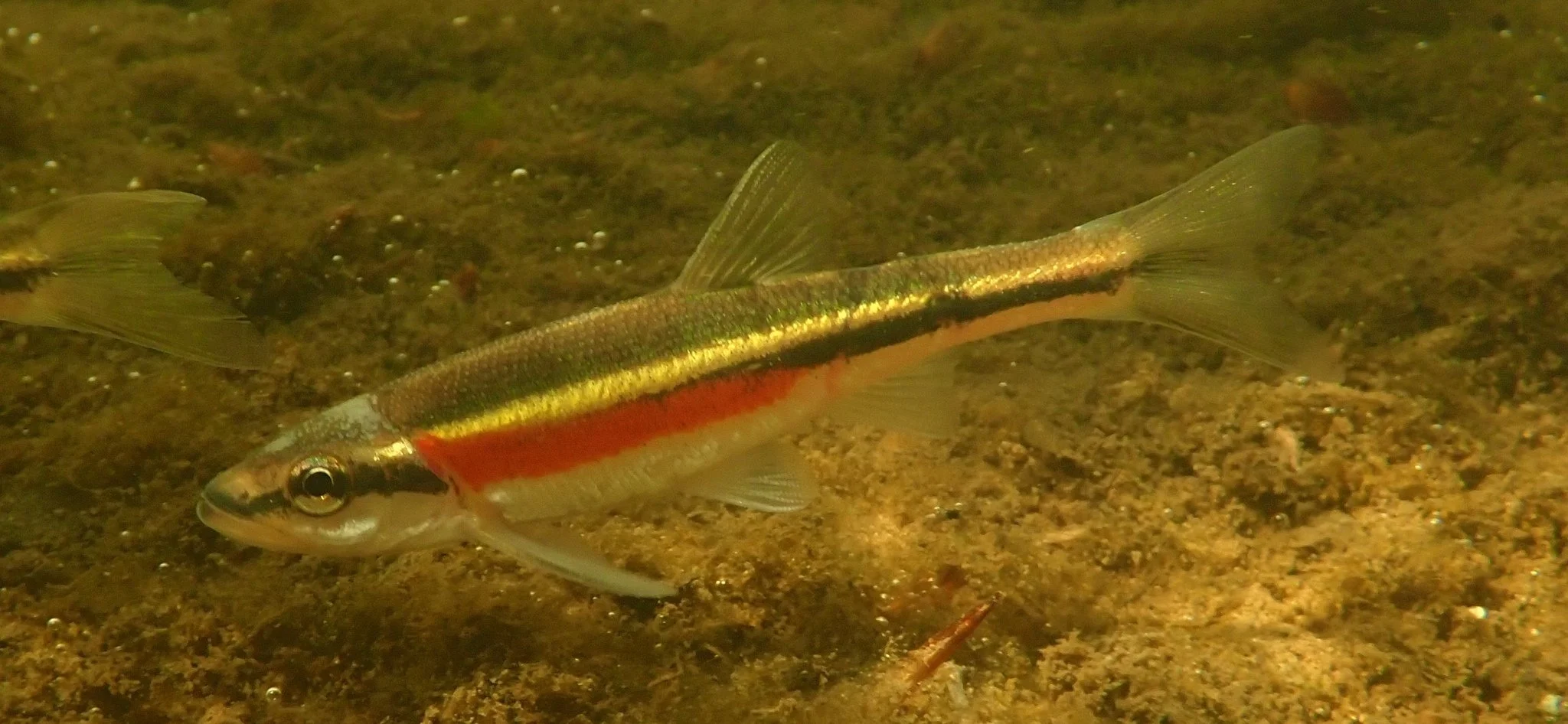
Redside Dace © Jon Clayton
For a species that has vanished from many developed landscapes, this small northern river now represents an important stronghold and an opportunity to keep a remaining population healthy while supporting ongoing research into the conditions the species needs to thrive.
“Two Tree River is a stronghold for one of the coolest fish in Canada, and a great example of what we are trying to achieve with the KBA program – recognizing the underappreciated and lesser-known sites that are critical for supporting unique Canadian biodiversity. We’re glad to shine a light on this special area and the great conservation going on around it with the KBA designation.” - Peter Soroye, KBA Assessment & Outreach Coordinator, WCS Canada.
“We are thrilled to see Two Tree River recognized on a national stage for its ecological significance, and the Central Algoma Land Trust was proud to co-propose this KBA alongside WCS Canada. As we grow our conservation footprint, having a science-based tool like this designation is invaluable for our long-term planning. By identifying this river as a stronghold for the Redside Dace, we can better prioritize our future land protection efforts and work more effectively with the community to keep this unique northern population thriving.” - Carter Dorscht, Executive Director, Central Algoma Land Trust.
The Central Algoma Land Trust is currently integrating the Two Tree River KBA into its land protection strategies, with the long-term goal of securing permanent protection for key portions of this critical habitat. While identifying these future conservation opportunities, the land trust is already documenting the area’s biodiversity through iNaturalist to build a clearer picture of the river’s health and the many other wildlife species that benefit from the habitat it provides.
Although the KBA designation does not create legal protection, it provides a science-based tool that can guide stewardship, land-use planning, and conservation priorities in the region.
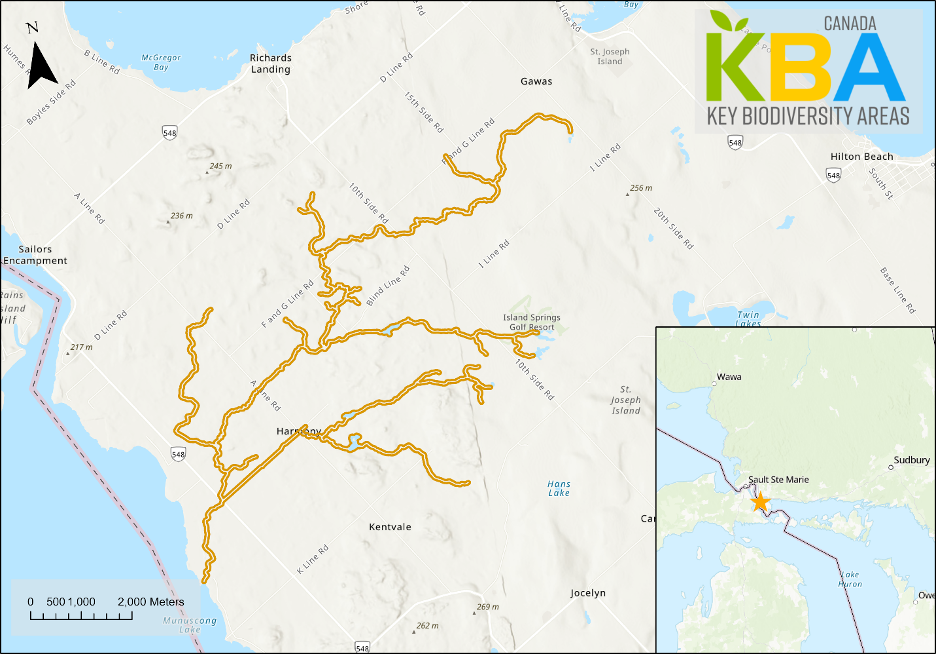
Two Tree River KBA map © WCS Canada
About KBAs
KBAs are sites that contribute to the persistence of biodiversity nationally and globally.
KBAs support rare and threatened species and ecosystems, as well as key natural processes. They range in size from small patches of habitat to large tracts of land or water.
KBAs are designated based on specific, measurable criteria.
The designation does not give the site a particular management prescription or legal status.
KBAs may encompass private or public land, sometimes overlapping, partially or entirely, with legally protected sites.
In Canada, KBAs are identified in consultation with local communities and experts
Visit: KBA Canada (kbacanada.org)
About KBA Canada
Canada has one of the world’s first comprehensive national programs to identify KBAs and was the first country to adapt the Global KBA Standard to a national context.
The KBA Canada initiative was launched in 2019 to help Canada meet protected area targets and other targets agreed to in the Convention on Biological Diversity.
This work is led by the KBA Canada Coalition, a collaborative initiative involving non-governmental organizations, governments, Indigenous partners, academic institutions, experts and knowledge-holders that are engaged in the work of identifying, delineating and reviewing KBAs.
The KBA Canada initiative is jointly coordinated by Birds Canada, NatureServe Canada, and WCS Canada.
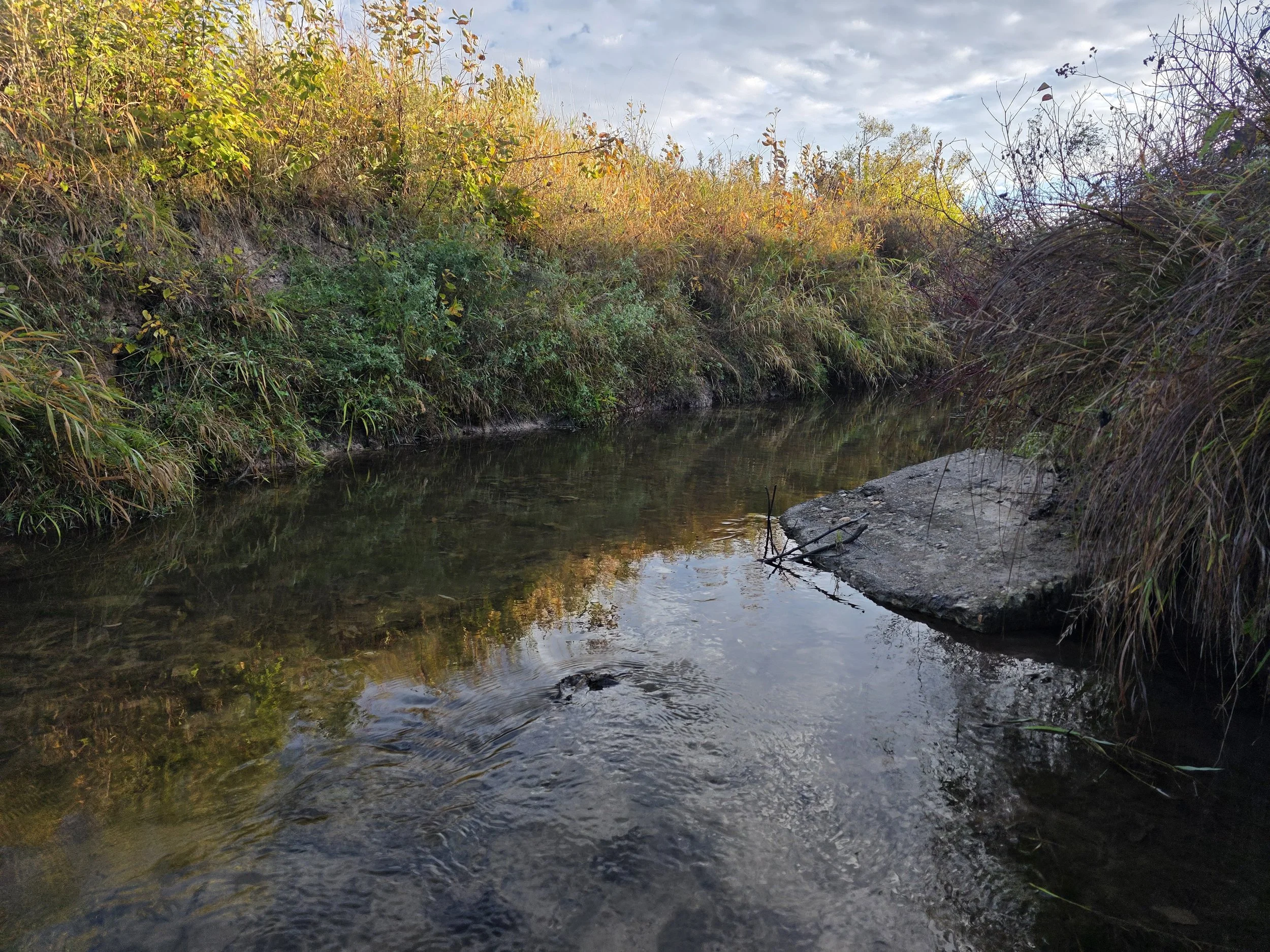
Two Tree River KBA
The Central Algoma Land Trust depends on the generous support of our local community to carry out our work. Please consider making a donation to help advance conservation efforts across the Central Algoma region. Your contribution will help protect the natural spaces and wildlife that make this area so special.