
Medicinal Plants of Central Algoma
Written by Maggie Cameron, Assistant Field Technician
When you’re walking through the forest, taking a stroll around your local park or garden, even driving down the road – there are plants everywhere. From flowering stalks that stand out in a meadow, to the tiniest vine crawling up through the sidewalk cracks. Plants are all around us, cleaning our air and bringing colour to our ecosystems.
But they also provide us with very important (and often overlooked) medicinal and edible value. Native and introduced plant species have been used for hundreds of years by the Indigenous groups that first stewarded Canadian ecosystems and still play an integral role in countless cultures, ceremony, and traditional ways of life. These teachings not only provide us with insight to the power found within the natural environment, but give us a way to work with the land in a respectful, beneficial, and meaningful way.
In Central Algoma, there is an abundance of medicinal plants to be found in the diverse habitats known to the region, all of which have a significant presence in Anishinaabeg culture and traditional teachings. Trees, like the Eastern White Cedar and White Spruce, provide vital habitat for many beloved species and make up a great portion of our forests. Black-eyed Susan’s and Fireweed are a great source of food for native bees and butterflies, helping our pollinators thrive. These plants, and so many more, are what make Central Algoma’s ecosystems diverse and healthy.
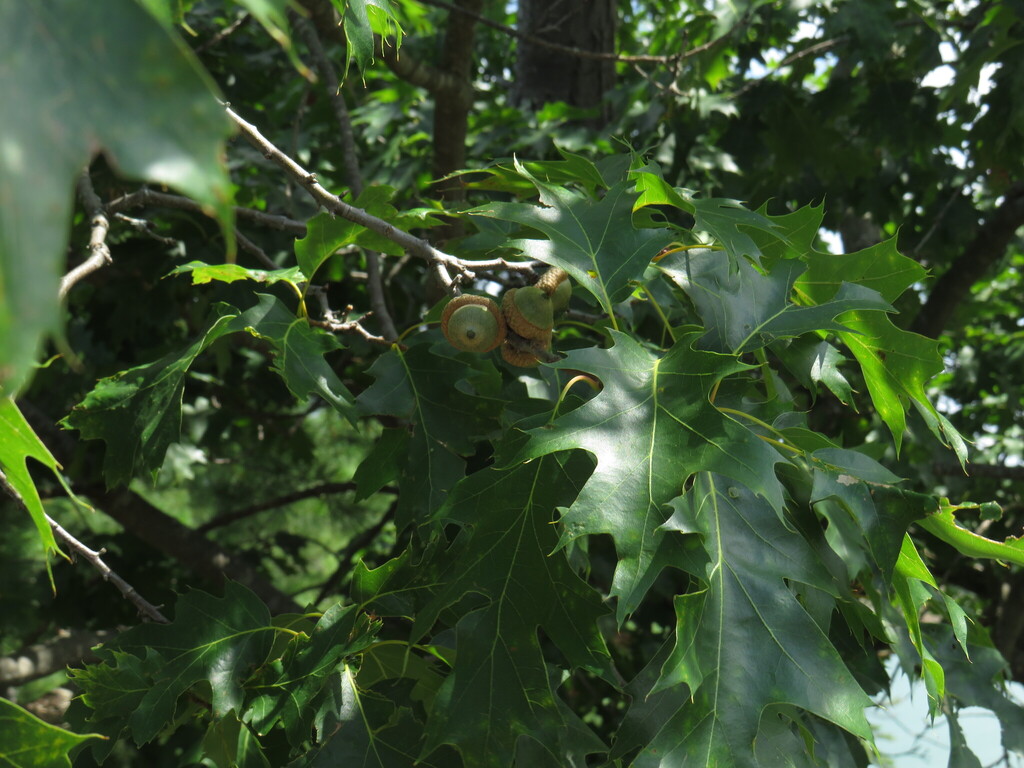
Northern Red Oak (Quercus rubra) - Photo by Schae McCaig
View on iNaturalist
It’s important to remember when foraging in the natural environment that improper techniques can do serious damage to the plants themselves, as well as the ecosystems they grow in and every organism they interact with. While each plant described below does include basic information on proper foraging, it is encouraged that further research is done to ensure plants are being gathered in a respectful and ethical manner. Traditional practices done by those who have stewarded this land are always the best way to go!
Another thing to note is the diversity and complexity of plant identification, and to be very thorough when gathering plants for medicinal use to make sure that you know exactly what species you’re working with. Citizen science platforms, like iNaturalist, can be a great help with identification, as well as the use of field guides.
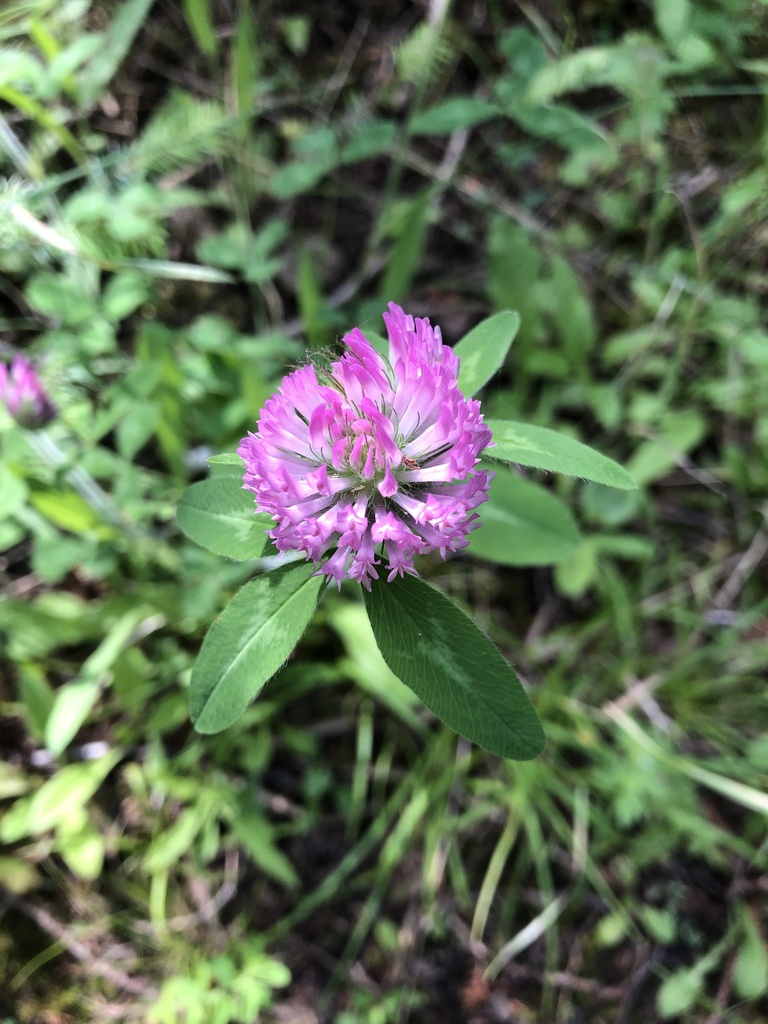
Red Clover (Trifolium pratense) - Photo by Corinne Wilkerson
View on iNaturalist
The plants listed below are a tiny look into the bounty that can be found in the Central Algoma region. Each species has a brief description of their range, habitat, and identification, as well as their medicinal properties and how they can be used by even the newest of foragers. Common names have been provided, followed by the Anishinaabemowin word, and scientific name in italics.
Eastern White Cedar – giizhik; Thuja occidentalis
Eastern White Cedar grows from Nova Scotia to eastern Manitoba and is a hardy conifer that thrives in limestone derived soils for their high alkalinity. It is a moisture loving species, most often found in cool sites like wetlands, shores, and swamps.
This plant is called Nookomis Giizhik – or Grandmother Cedar – in Anishinaabemowin because of its importance as one of the four sacred medicines, and it maintains an invaluable role in ceremony and traditional teachings.
Quick ID
A small to medium sized evergreen tree with reddish-brown bark that sheds in thin strips. Its leaves grow in flat, scale-like sprays and the tiny cones are egg shaped.
Medicinal Use
Cedar is a long used traditional medicine with countless healing capabilities, mainly due to its naturally occurring thujone oil. It has anti-oxidant, anti-septic, and anti-inflammatory properties and is most often used for its high vitamin C content. This tree can treat colds, fevers, and other respiratory issues, as well as skin infections, and is known to be an aid for rheumatism pains.
Harvest
Young leaves and branch tips are primarily used for medicinal properties, as well as the shedding bark. All of these plant parts are ideally harvested in spring and summer, when the branch tips are tender and readily releasing their oils. Common sources to use cedar medicinally are in teas made from the dried leaves or bark, extracted essential oil, and tinctures.
Caution
Thujone oil is considered a neurotoxin and should be used in moderation with further research.
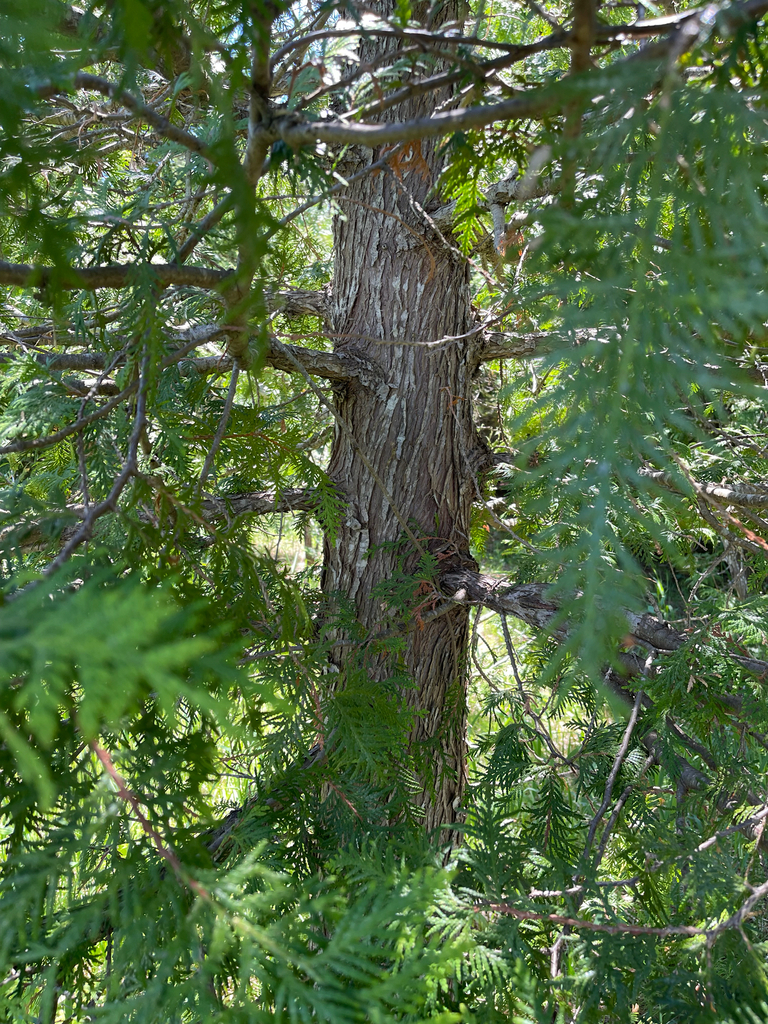
Eastern White Cedar (Thuja occidentalis) - Photo by Maggie Cameron
View on iNaturalist
Common Mullein – waaboowaanbak; Verbascum thapsus
Common Mullein is an introduced species from Europe, northern Africa, and Asia that has become a widespread plant in temperate North America. It thrives in sunny, disturbed habitats with dry soils, such as pasture and agricultural lands, roadsides, and forest clearings. This is a species that you can find almost anywhere, including your driveway or backyard!
Quick ID
Mullein is a biennial herb with greyish and wooly felt-like leaves that grow in rosettes. The second-year growth form has a long spike with tiny yellow flowers.
Medicinal Use
The leaves contain an abundance of mucilage, which is a compound that soothes irritation to mucous membranes. This gives the plant anti-inflammatory and demulcent (soothing) capabilities. The most common use of Mullein is to treat respiratory ailments, such as coughs, asthma, and bronchitis. The leaves are often dried and steeped into a tea. Salves and poultices from the leaves have been traditionally used for soothing skin issues like burns, rashes, and minor wounds. Other historical uses include extracting the oil for ear infections, a diuretic, and a mild sedative.
Harvest
Harvest this plant in the summer or whenever it is blooming. Leaves can be collected in the first-year growth form and when the flowering stalk is present.
Caution
Leaf hairs may irritate skin.
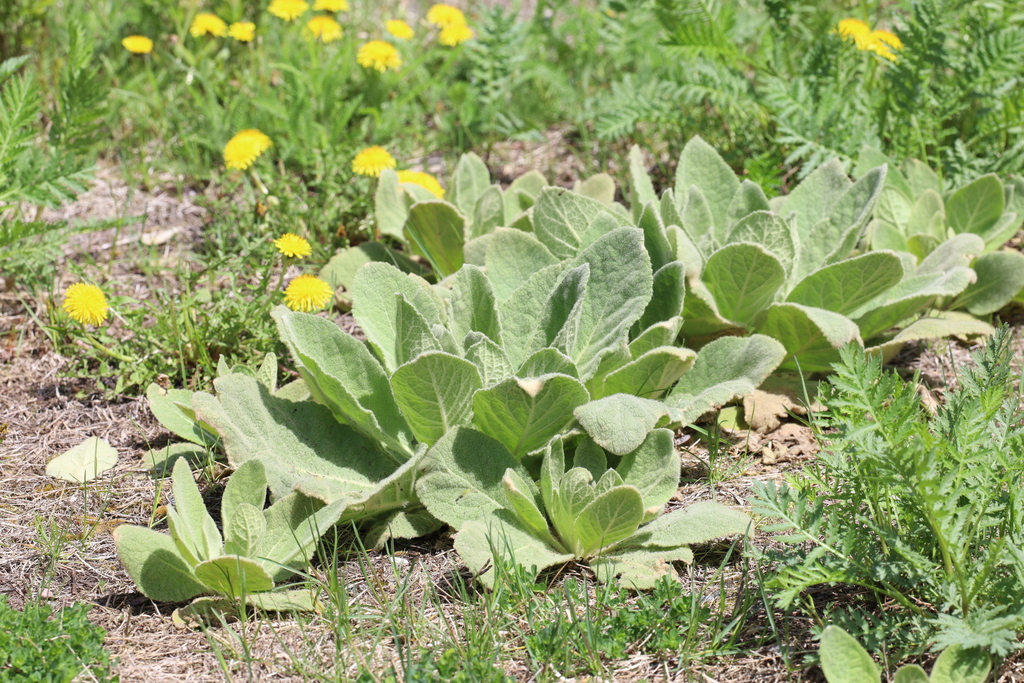
Common Mullein (Verbascum thapsus) - Photo by Trent Massey
View on iNaturalist
Common Yarrow – adjidamoowaanow; Achillea millefolium
Common Yarrow has an incredibly widespread range, with a common presence in all temperate regions of the Northern Hemisphere and can be found in every Canadian province. It is a very hardy and adaptable plant that likes sunny areas with well-draining soil. It grows in habitats like open meadows, grasslands, forest clearings, coastal bluffs, and much more.
It is considered a sacred herb for many Indigenous nations and is known to be rich in spiritual value. The Anishinaabeg say that the plant is used to ward off evil and as a protection against negative energy.
Quick ID
A tall plant that typically grows two to three feet tall, with flat-topped clusters of tiny white (sometimes pink) flowers. It has feather-like leaves that set it apart from similar looking species, such as Queen Anne’s Lace and Poison Hemlock.
Medicinal Use
Yarrow is one of the most widely used medicinal herbs, both traditionally and in modern day foraging. Its main benefit is the high alkaloid content that gives it powerful styptic abilities. Its scientific name (Achillea millefolium) is derived from the Greek warrior Achilles, who was said to carry yarrow into battle to heal his fellow soldiers.
It is commonly used to stop bleeding and induce clotting, mainly in poultices and salves applied externally to wounds. This plant also has pain killing, anti-septic, and anti-inflammatory properties which, when combined with its blood-related agents, is very effective in relieving menstrual symptoms. Yarrow contains anti-spasmodic properties along with salicylic acid. These compounds stimulate perspiration for fever relief, lower blood pressure, and stimulate salivation for use in appetite improvement and digestion.
This species is, all around, one of the best medicinal herbs in the natural world!
Harvest
The leaves, flowering stems, and flowers themselves can all be utilized and should be harvested at the height of flowering, which is typically from spring to early fall. Dried plant parts can be brewed for teas and crushed into poultices, salves, and tinctures. Applying the fresh leaves directly onto a wound in a pinch will stop bleeding, and chewing on a few flower heads (though very bitter) can help with digestive issues.
Caution
Yarrow should not be consumed by pregnant people because of its effect on the uterus.
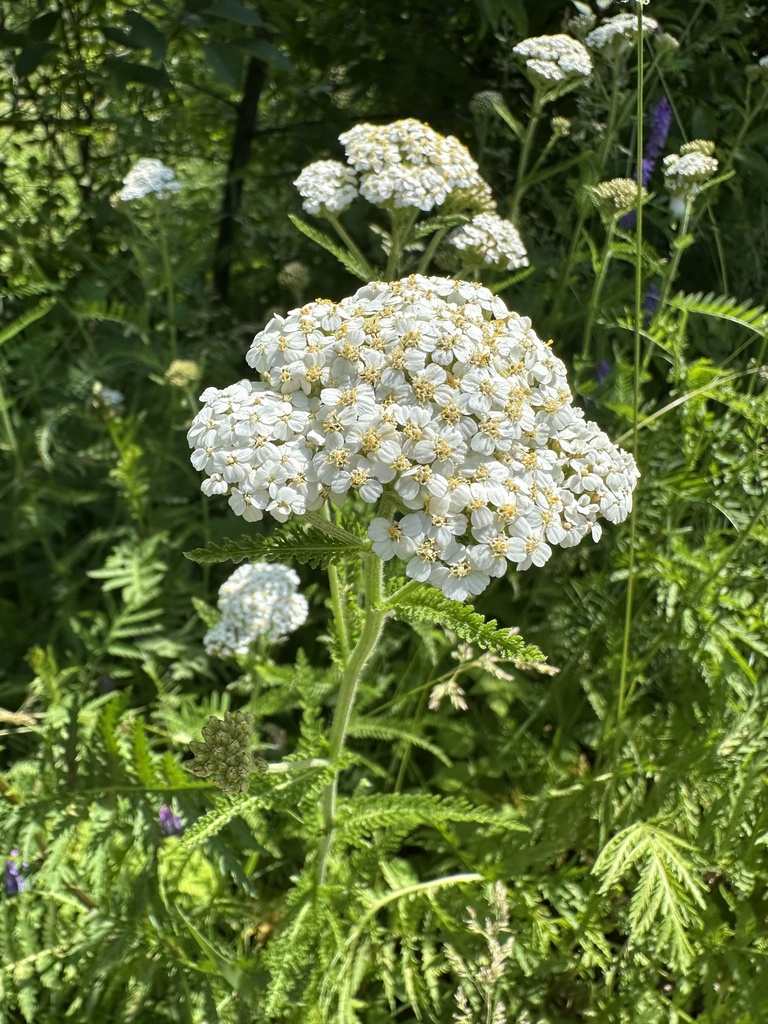
Common Yarrow (Achillea millefolium) - Photo by Corinne Wilkerson
View on iNaturalist
Fireweed – ozhaashijiibik; Chamaenerion angustifolium
Fireweed has a wide range from temperate to arctic regions of North America, Europe, and Asia. It can be found in every Canadian province and territory, and is the floral emblem of the Yukon. It is a pioneer plant, meaning that it rapidly colonizes disturbed and burned-over areas, and can often be found in open sites, roadsides, and woodland, including subalpine zones. It thrives in full sun and moist, well-draining soils.
Quick ID
A high-growing perennial plant, Fireweed typically grows upwards of two feet and as tall as six feet. It has a tall spike covered in deep pink, four-petaled flowers with darker sepals between each. The leaves grow under the flower raceme and are lance-shaped – similar to willow leaves.
Medicinal Use
This plant’s most prominent medicinal properties are anti-inflammatory and anti-microbial. It is used to relieve digestive issues like stomach ulcers, cramps, and general inflammatory problems in the mouth, throat, and stomach. Consuming Fireweed in the form of a tea is the most common way to treat these ailments. Its prevalence in traditional medicine as an aid for prostate and urinary problems has carried over to modern medicine, where it has been heavily examined as a treatment for mild and severe cases of these issues. It can be used in poultices and salves for wound care, inflammation relief, and as an infection resistant.
Harvest
The young shoots should be harvested in early spring before the plant becomes too fibrous, while the leaves and flowers can be foraged in mid-to-late summer when it is in full bloom.
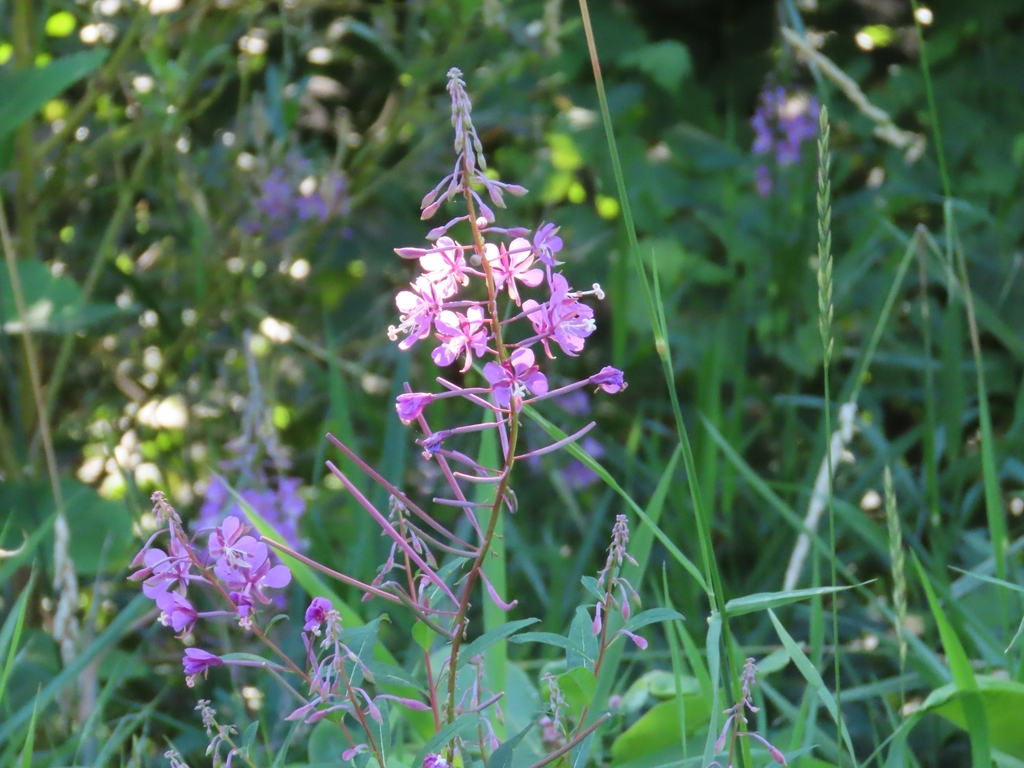
Fireweed (Chamaenerion angustifolium) - Photo by Carter Dorscht
View on iNaturalist
Balsam Poplar – maanazaadi; Populus balsamifera
Balsam Poplar has a large range across all provinces and territories, extending into the northern boreal forest with a prominent presence in the Great Lakes region. This tree prefers cool and moist habitats; mainly low-lying areas with nutrient rich soils, like flood plains, swamps, riverbanks, and other riparian areas.
It is a vital medicinal plant in many First Nations cultures, including the Anishinaabeg, where the tree is revered and honoured for its powerful healing capabilities – some of the most potent in the area.
Quick ID
Balsam Poplar is a fast-growing tree that can reach upwards of twenty meters tall. It has greyish-green, smooth bark that darkens with age and begins to produce flat scales. The leaves are dark green, shiny, and very thick with a lighter colouration on the underside, and the margins are finely serrated. Buds are large and pointy with a brownish-green colour and they produce the signature aromatic resin that Balsam Poplar is known for.
Medicinal Use
Both the willow and poplar genus contain very high amounts of salicin, which is the main ingredient in aspirin. Therefore, this plant has potent anti-inflammatory and pain-relieving abilities. It can be used externally to treat bruises, skin sores, aching muscles, and minor wounds like sprains. The inner bark and resin can be chewed directly and the buds can be brewed into a tea to treat colds, sore throats, and other respiratory inflammation issues, including congestion. Balsam Poplar is often referred to as “nature’s band-aid”, as the sap can be applied to cuts, scrapes, and infections for its anti-bacterial and anti-inflammatory properties.
Harvest
The buds should be collected before the leaves begin to unfurl, from late winter to early spring when they are readily releasing their sticky, aromatic resin. These can be brewed into a tea and chewed directly (though very bitter and strong), and the resin can be extracted for salves and poultices.
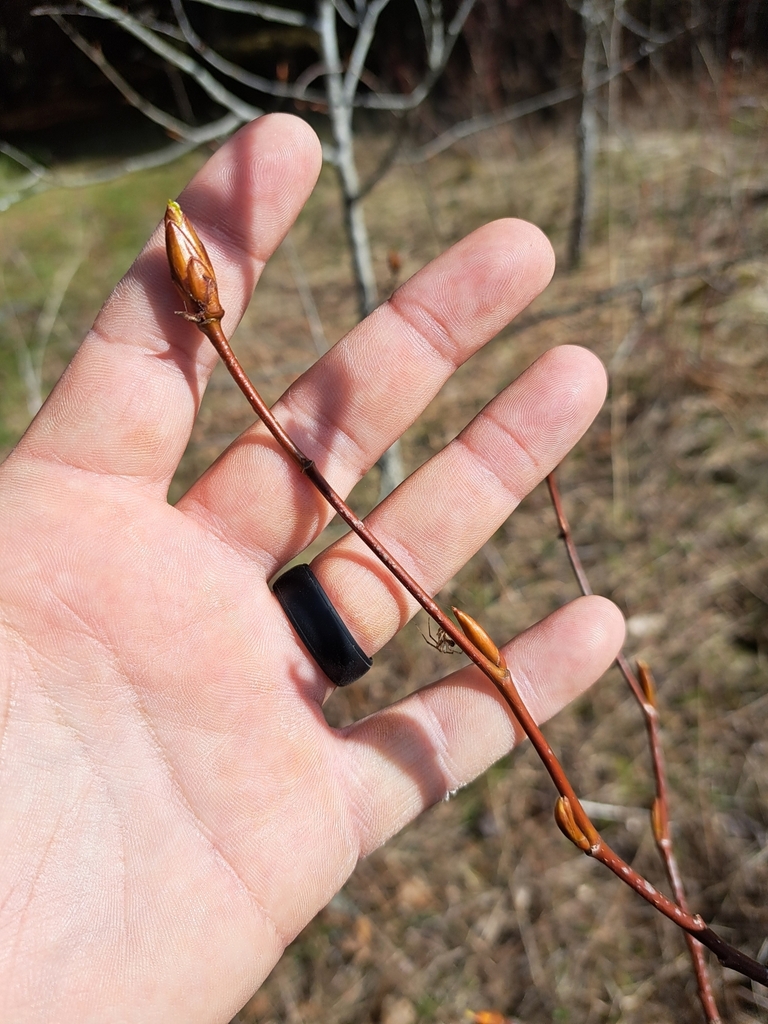
Balsam Poplar (Populus balsamifera) - Photo by Carter Dorscht
View on iNaturalist
Broadleaf Plantain – baashdaagwaan; Plantago major
Broadleaf Plantain is a species native to Europe and Asia that has become very successfully naturalized in North America. It can be found almost anywhere in the world, with the exception of arctic regions. This plant prefers disturbed, compacted, moist soils, and grows as a perennial weed in habitats that many other plants struggle to thrive in. These include roadsides, pastures, gravel paths, lawns, and waste sites.
This plant is often referred to as “white man’s feet” due to its rapid introduction in post-colonial Canada. The nickname calls to its appearance wherever settlers walked and its ability to grow in disturbed areas formed by colonial activity. It was integrated into traditional Anishinaabe medicinal practices and remains a respected herb for its healing properties.
Quick ID
It has a low-growing basal rosette structure with broad, oval shaped leaves and prominent parallel veins. The flowers grow in leafless spikes and are very inconspicuous, blooming white and browning as they seed.
Medicinal Use
Broadleaf Plantain is rich in flavonoids, which is an anti-inflammatory that promotes injured skin cells to bind and heal, as well as anti-microbial properties. It is possibly most well-known for its high fiber content that makes it a powerful digestive aid.
Psyllium husk – the main ingredient in many digestive aids, like metamucil – is derived from the seeds of Plantain, which can be dried and ground to use as an at-home remedy for stomach issues. The leaves, specifically juices produced by the leaves, are widely used in poultices, salves, lotions, and directly on the skin for soothing and cleaning insect bites, rashes, burns, cuts, and other skin irritations. Teas made from the dried leaves are used to aid in digestive problems, as well as respiratory issues like coughs and sore throats.
Harvest
The young, juicy leaves are best harvested in spring and early summer when they are still tender, and can be used fresh directly on skin or made into poultices. The seeds should be collected when the flowering stalks begin to brown – typically in the fall.
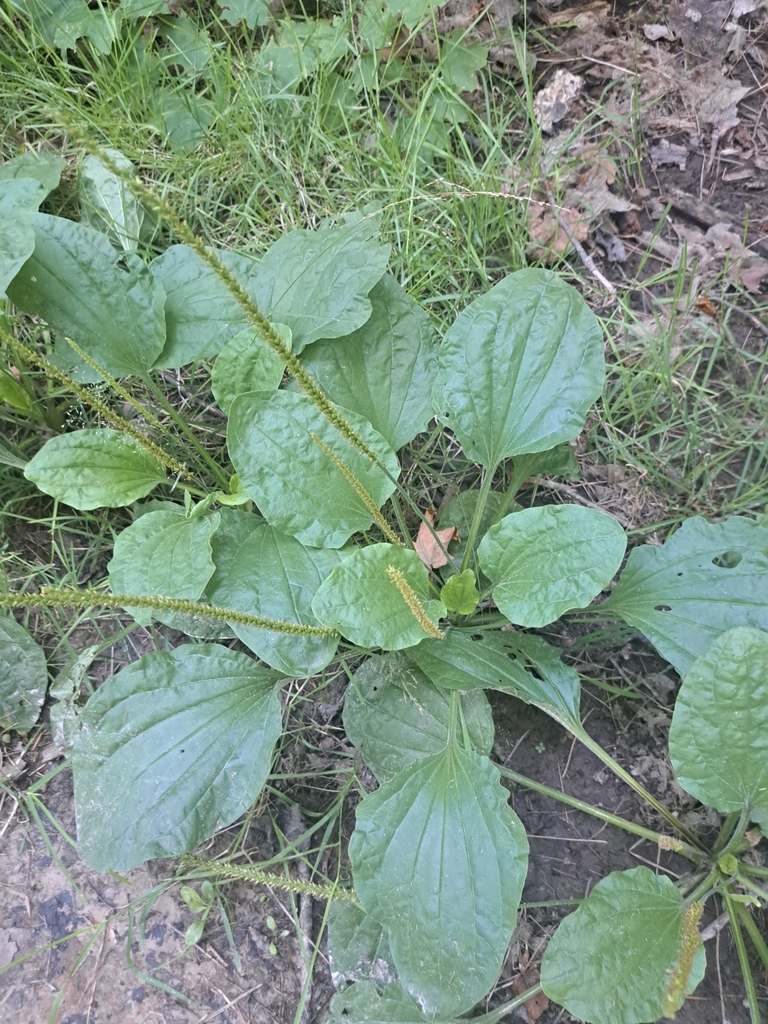
Broadleaf Plantain (Plantago major) - Photo by Carter Dorscht
View on iNaturalist
Bearberry – saga’kominagunj; Arctostaphylos uva-ursi
Bearberry can be found in all provinces and territories, from sub-alpine zones to sea level. It also has populations in temperate and subarctic Eurasia. This plant grows in rocky and sandy soils, often found on shorelines, dry woodland, and disturbed areas like roadsides.
It is a traditional smoke medicine in many Indigenous nations, where the leaves are dried and mixed with other herbs – such as tobacco or dogwood – to make what is called Kinnikinnick. This name is often used to refer to the plant as a whole as well. It is a sacred herb used to connect and communicate with the spirit world, and it has ties to purification and healing.
Quick ID
Bearberry is a mat forming evergreen shrub with small, dark green, leathery leaves that often have a red tinge. The leaves grow from a trailing stem, along with the clusters of urn-shaped, light pink or white flowers and dull, glossy berries.
Medicinal Use
Used for its antiseptic and astringent components, this species is mainly and widely used for urinary tract issues. It can be boiled into teas and processed into extracts that treat urinary tract infections, kidney issues, and gastrointestinal relief. It has a mild vasoconstricting effect on the uterus, and has been shown to ease menstrual symptoms like cramping.
Harvest
The berries are typically tasteless and mealy, and are not usually used for medicinal purposes like the leaves are. Leaves can be collected as soon as the frost exits the ground and until the fall, when the medicinal components are readily available. Harvest should be done in the morning during dry weather after the dew has evaporated.
Caution
Extended use can cause stomach and liver problems, especially in children.
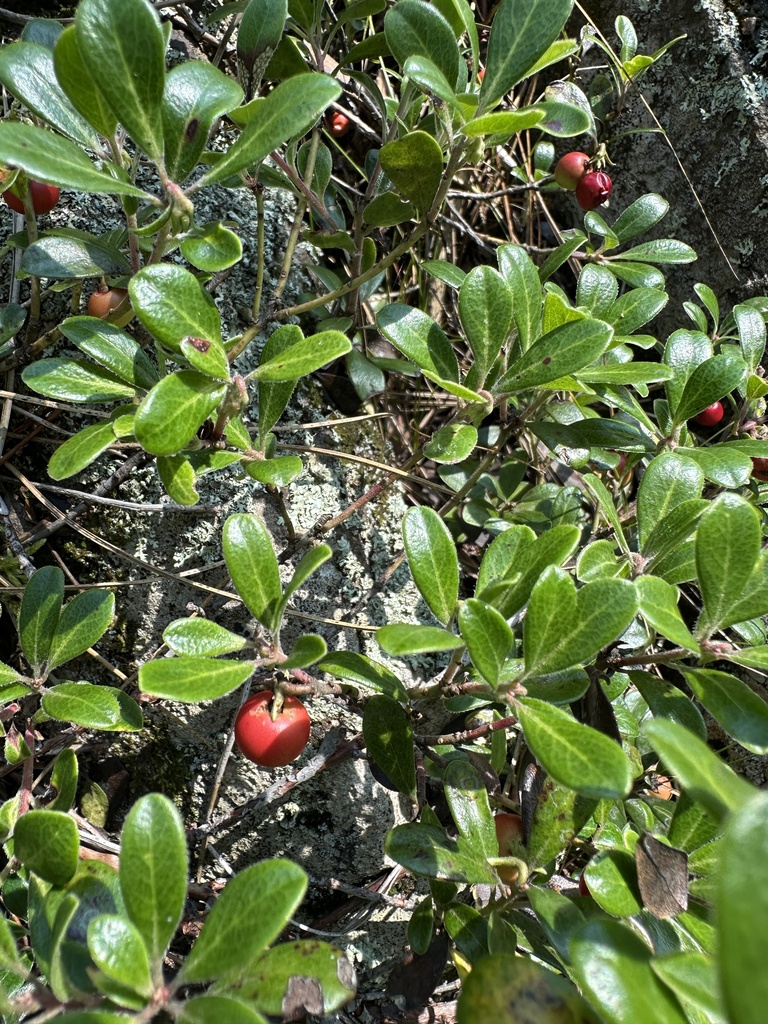
Bearberry (Arctostaphylos uva-ursi) - Photo by Corinne Wilkerson
View on iNaturalist
Tamarack – mashkiigwaatig; Larix laricina
Tamarack has an extensive range in Canada and the northeastern United States, with a considerable presence in the Great Lakes region. It thrives in cold and wet environments and is able to live in poorly drained soils, meaning it likes to grow in bogs, swamps, fens, and other moist habitats.
This species is a sacred tree in many First Nations cultures, including Anishinaabeg, where it has deep spiritual significance and is incorporated in traditional stories and teachings.
Quick ID
A slender coniferous tree in the Larch genus that drops its needles in the fall, this plant can grow upwards of twenty meters. The needles are a blueish-green colour and grow in tufts along the twigs, which turn yellow and drop in autumn. It has reddish-brown, scaled bark and small, rose-shaped cones.
Medicinal Use
Like other species of conifer, Tamarack has high concentrations of vitamin C and antiseptic properties. The Larch genus contains arabinogalactans, which are immune system enhancers. The wood and bark contain this compound, so they are the most widely used part of the tree. Inner bark, or cambium, has been traditionally chewed like gum to aid in digestion and soothe sore throats. It can also be mashed into poultices and applied to exterior wounds, infections, and even frostbite. Outer bark can be boiled into a tea to treat respiratory issues, and adding the needles helps with digestive upsets. The pitch was historically used by First Nations tribes to set bones.
Harvest
Harvesting the outer and inner bark from any tree species can be damaging to the tree, so it must be done with responsible practices. The best way is to peel the bark or scrape the cambium from fresh, but recently fallen, trees and branches that are no longer rooted and won’t survive. It’s important to note that removing bark in a ring around a tree’s trunk stops the flow of nutrients and water, and will kill the tree. There is a plethora of sources that can be found, both traditional and online, to ensure sustainable harvesting practices of Tamarack bark.
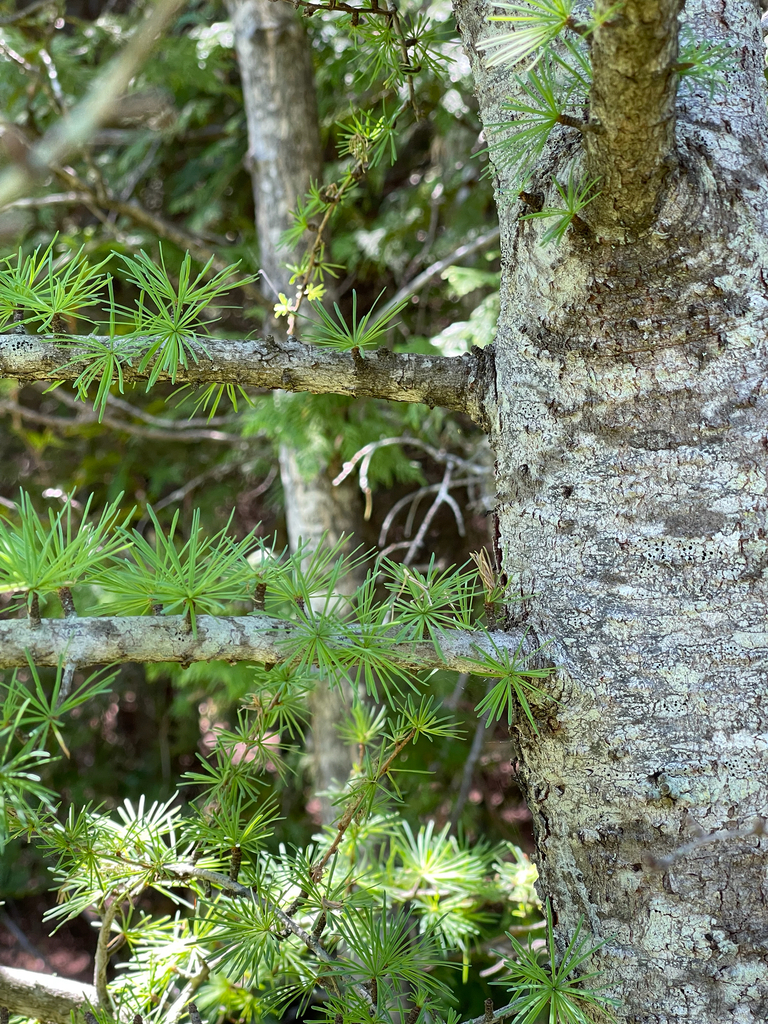
Tamarack (Larix laricina) - Photo by Maggie Cameron
View on iNaturalist
White Meadowsweet – waabashkikiibag;Spiraea alba
White Meadowsweet is native to eastern North America and has a large population in the Great Lakes region. As a wetland preferring shrub, it likes wet to moist soils in sunny areas, such as marshes, meadows, swamps, shorelines, and wetland margins. It is a highly adaptable plant and can be found in drier, shadier habitats like woodlands and forest edges as well.
Quick ID
This species grows as a tall shrub, typically reaching three to six feet in height. It has dark stems covered in narrow, green leaves with toothed margins. The tiny white flowers grow in clusters at the top of the stems in an upright form.
Medicinal Use
Meadowsweet contains lots of tannins and salicin, giving it astringent and anti-inflammatory properties. Specifically in the gastrointestinal tract, it has been mainly used traditionally for stomach related issues. It has strong stomach soothing capabilities and is a go-to herb to treat acid-reflux, indigestion, nausea, and many other gastrointestinal ailments. Because of its concentrations of salicin, it is a powerful pain reliever and can be used for joint pain, arthritis, gout, and general inflammation of the respiratory tract in the form of colds and infections.
Harvest
The flowers and leaves can both be used medicinally, most commonly in teas for internal healing. Harvest should be done in mid-to-late summer when the flowers are in their highest bloom, while the leaves can be collected throughout most of the growing season.
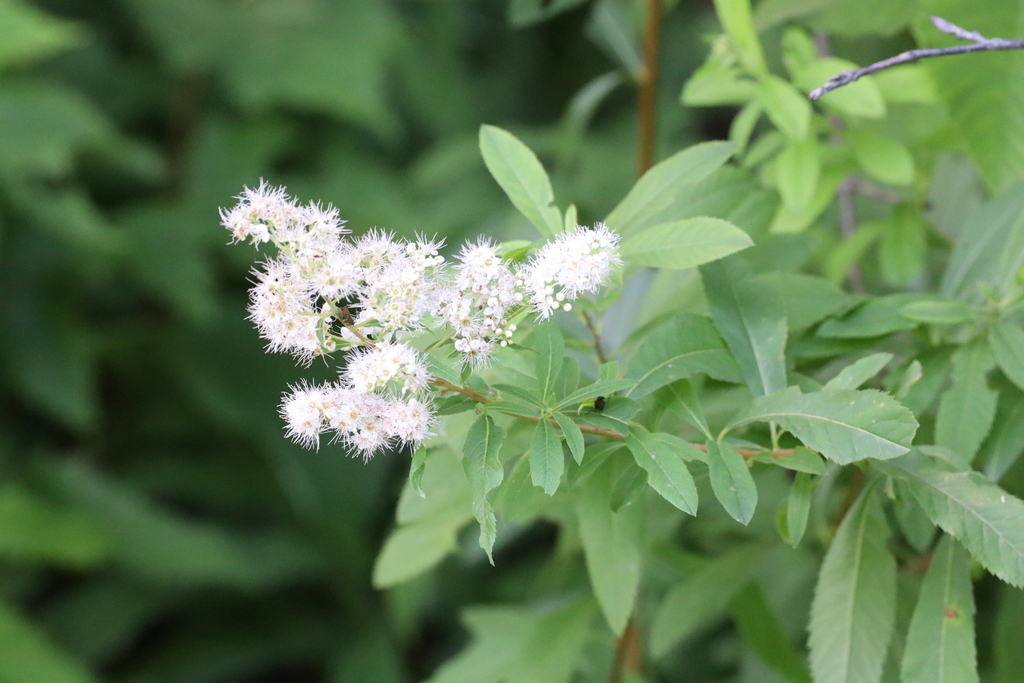
White Meadowsweet (Spiraea alba) - Photo by Trent Massey
View on iNaturalist
Eastern Teaberry/Wintergreen – wiinisiibag; Gaultheria procumbens
Eastern Teaberry, more commonly known as Wintergreen, has a native range in northeastern North America from eastern Manitoba to Newfoundland. It is a shade loving plant that grows best in dry to moist soils, though it is very tolerant of poorer conditions. Its preferred habitat is under the canopy of conifer or mixed wood forests where the soil is acidic.
Quick ID
This species is a creeping shrub with oval, dark green leaves that have a texture similar to leather. The leaves often grow in threes or fours and adopt a reddish tinge as temperatures drop. They keep their colour over winter and have a fragrant, distinct aroma reminiscent of mint. It has tiny, white or pinkish flowers that grow in a bell shape and nod below the leaves. The berries are bright red and hang in a similar way as the flowers.
Medicinal Use
Wintergreen has a high concentration of methyl salicylate, a compound similar to that of aspirin, giving it pain relieving and anti-inflammatory capabilities. It is often used topically in salves or poultices for aches and pains, and to reduce swelling of injuries like bruises and cuts. Tea made from the fresh leaves, where the medicinal oil is readily available, is commonly used to treat respiratory issues like colds, internal pains like headaches and fevers, and as a general decongestant. The most common application of this plant is for the treatment of inflamed joints caused by rheumatism and arthritis. Traditionally, the berries were lightly mashed and soaked in alcohol, then used as a stomach aid and digestive device.
Harvest
Leaves are persistent and can be collected year-round, while the berries begin to form in the summer and ripen towards the fall. The berries can also overwinter and may be collected through fall into spring.
Caution
Methyl salicylate should be approached with caution and used in small amounts, both internally and externally, and should be avoided by those with allergies to aspirin.
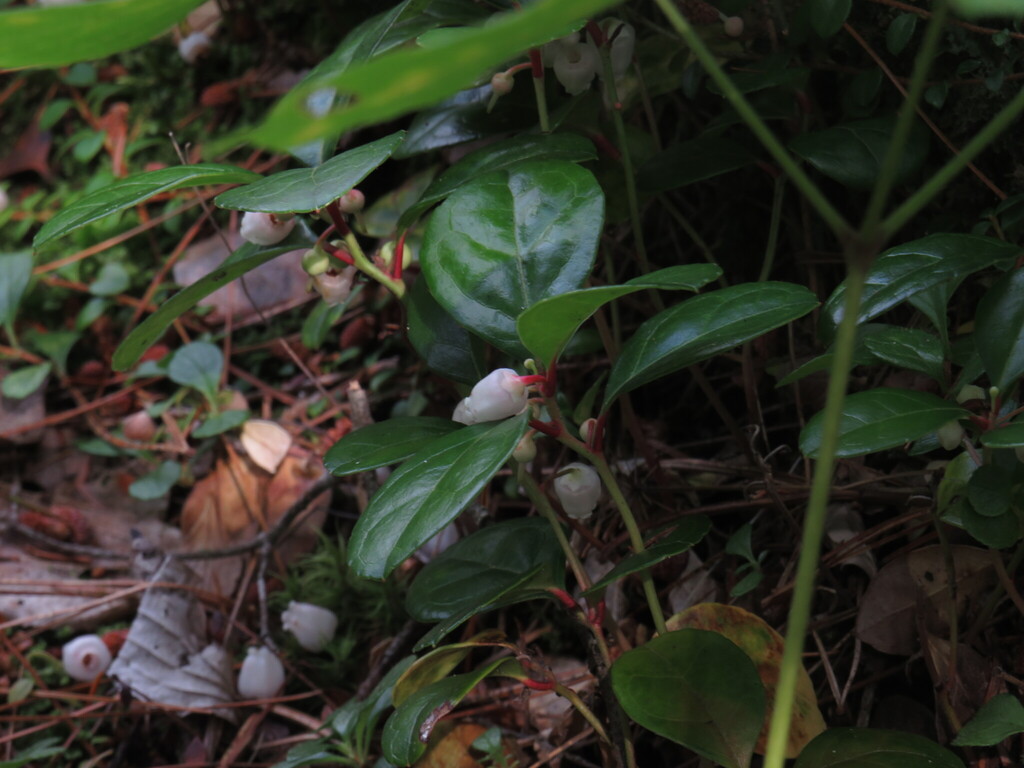
Eastern Teaberry (Gaultheria procumbens) - Photo by Schae McCaig
View on iNaturalist
White Spruce – gaawaandag; Picea glauca
With one of the largest ranges in the conifer family, White Spruce can be found in the temperate and boreal forests of Canada, from Newfoundland to British Columbia, and every territory. It also extends into the northern United States. It is a very hardy and adaptable tree that can grow in many different climates, from the arctic tree line to abandoned farmland. It does tend to prefer colder habitats and has been expanding northwards to recolonize areas of glacial melt.
This is one of the most widely used plants by First Nations, for its medicinal, utility, and cultural significance.
Quick ID
White Spruce is a medium-to-tall conifer, growing upwards of twenty-five meters, and has a conical silhouette. The four-sided needles are a blueish-green colour that spiral around the pale branches. The cones are cylindrical, and the bark grows in thin scales of darkening grey as the tree ages.
Medicinal Uses
The needles, bark, and resin all have antiseptic properties and are very high in vitamin C, and can all be used in teas, salves, infusions, and chewed for a variety of ailments. The cambium is scraped from the tree and used in salves and poultices to be applied to wounds like scrapes, infections, insect bites, burns, and cuts. It can also be boiled into a tea to soothe rheumatism pains and digestive issues. Needles can be brewed into a tea or chewed directly to treat respiratory ailments – like coughs, colds, and flus – and was historically one of the most potent remedies for scurvy. Resin is most widely used for its antiseptic properties and can be applied externally to wounds and irritations, much like the cambium.
Harvest
Needles should be harvested in the spring when the bright green, new growth (often called spruce tips) are emerging, for these contain the highest levels of vitamin C. Excess resin can be collected in the colder months when it is hardened and less sticky. Only collect the hardened clumps on the outside of the tree that has done its purpose, and avoid removing newer sap that is actively protecting a wound on the tree’s exterior. Harvesting practices for bark are the same as that for Tamarack above.
Caution
All evergreen trees should be used in moderation when ingesting in the form of teas or chewing, and should not be consumed in great concentrations.
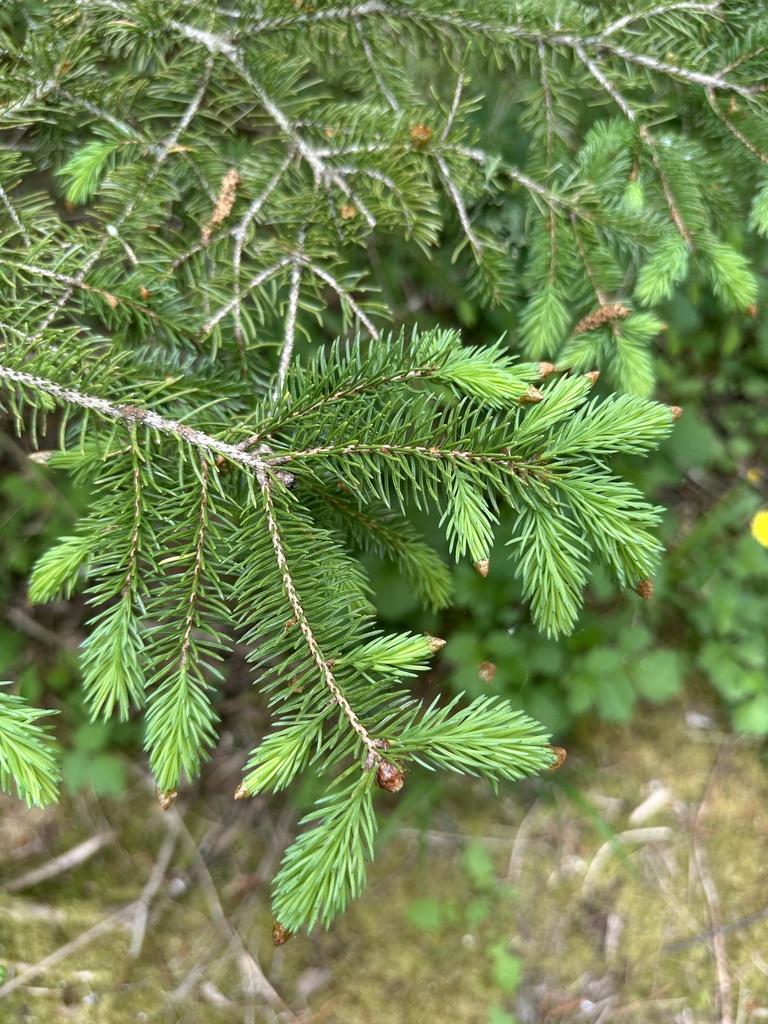
White Spruce (Picea glauca) - Photo by Corinne Wilkerson
View on iNaturalist
Black-eyed Susan – wezawab-gonik;Rudbeckia hirta
Black-eyed Susan has a historical native range in eastern and central North America, but has expanded and naturalized due to its hardy and adaptable nature. It can now be found growing wild in every mainland U.S. state and all ten Canadian provinces. This flower prefers bright, full sun and well-drained soils. It is a highly productive plant that grows mainly in open fields, meadows, roadsides, grasslands, and it thrives in gardens.
Quick ID
The growth pattern of this species changes depending on the climate; it can be an annual, biennial, or perennial wild flower that grows no more than a meter tall. The green stems and lance-shaped leaves are covered in bristly hairs, and, while the leaf margins are typically entire, they can be toothed. Flowers are bright yellow with a protruding, dome-shaped center that has a dark brown to black colour.
Medicinal Use
Black-eyed Susan is related to Echinacea – one of the most recognized medicinal plants in the world. It contains many of the same benefits, such as immune system stimulation and anti-inflammatory properties. Teas and infusion made from the roots can be used to treat colds and, most infamously, to rid of parasitic worms. A wash or poultice can be made from the roots and leaves to heal snakebites, insect stings, and other external sores. It has also been used as a cure for earaches by dropping the juice inside the ear canal to reduce swelling. The roots are the most commonly used part of the plant, but flowerheads and stems can also be used – flowerheads for antimicrobial properties, and stems for high blood pressure.
Harvest
Stems, leaves, and flowers should be harvested when the plant is in peak bloom during the summer months. The roots should be collected in the fall or early spring before bloom begins, when the plant is storing its energy and nutrients underground.
Caution
The seeds should not be consumed or used for medicinal purposes. Some people experience allergic reactions to this plant, so start small.
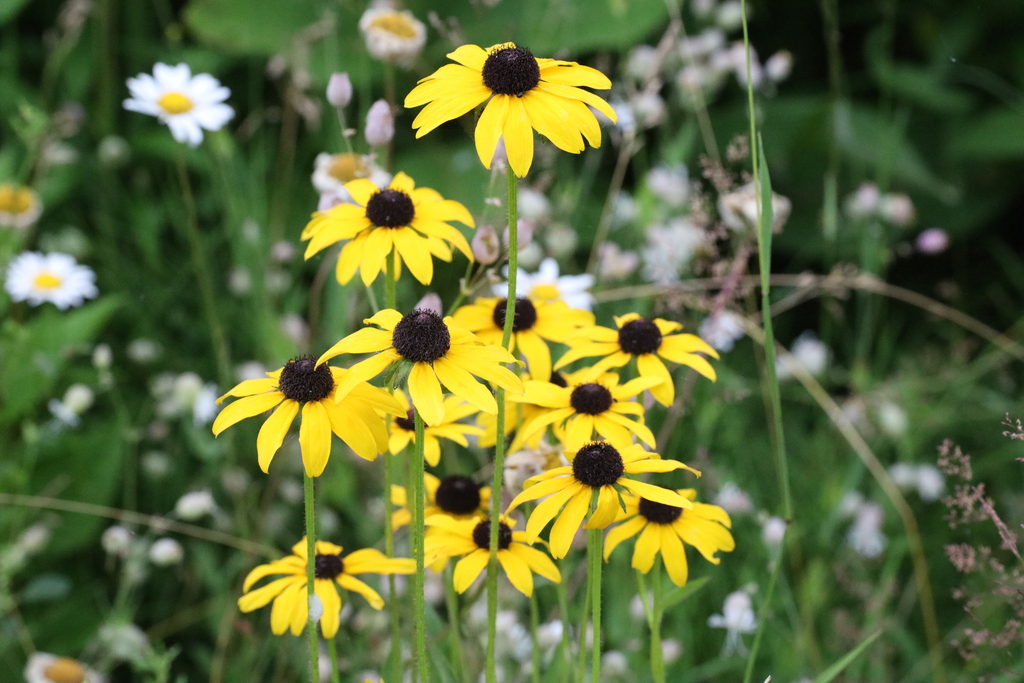
Black-eyed Susan (Rudbeckia hirta) - Photo by Trent Massey
View on iNaturalist
Medicinal plants play invaluable roles in Central Algoma’s ecosystems, Indigenous traditional teachings and ways of life, and provide us with natural healing right outside our doorsteps. Before the age of grocery stores and pharmacies, nature was the key to physical, mental, and spiritual health. Utilizing these capabilities allows us to connect with the natural world in a more personal way, where you can form a kind of relationship with the plants growing around you. And when you foster those connections, you care all the more about the health and conservation of the habitats where these species call home.
In the face of climate change and environmental uncertainty, our relationships with the natural world have never been more vital. We must prioritize the protection of these species that have evolved such incredible abilities through the tests of time, and create a future where they can thrive.
Joining in conservation efforts by adding an observation to iNaturalist or reporting an invasive species can go a long way. Here at the Central Algoma Land Trust, we’d love to hear about any of your sightings and to learn how you engage with the ecosystems of the region.
I hope your summer is full of foraging and exploration, and that reading this has sparked some excitement for the wonderful world of medicinal plants!
The Central Algoma Land Trust depends on the generous support of our local community to carry out our work. Please consider making a donation to help advance conservation efforts across the Central Algoma region. Your contribution will help protect the natural spaces and wildlife that make this area so special.