
Biodiversity, Climate Change Mitigation, and the Importance of Protecting Species at Risk
Written by Maggie Cameron, Assistant Field Technician
Biodiversity loss has been a rising issue since the industrial revolution, when anthropogenic activities began changing the processes of our planet. Now, in the age of rapid global warming, species across the world have never been more threatened.
The earth relies on a carefully curated system of constant feedback in order to thrive – a system that has been working since the planet’s birth. Without a properly functioning climate system, biodiversity decreases. Without an abundance of biodiversity, the climate crumbles. The decrease in pollinators through habitat destruction has caused a significant loss of flowering plants, which has only hurt pollinating species all the more. Marine carnivores have migrated closer to the poles to find food, which has decreased the populations of prey for both their natural predators and newly arrived ones. In perfecting agricultural production with GMOs and pesticide use, humans have destroyed genetic diversity in marketable plants, decreasing their nutritional value and ruining crop adaptability. It’s a constant cycle of climate change destroying biodiversity, and biodiversity loss destroying the climate.
Biodiversity loss is not an isolated issue, but one that has repercussions on every aspect of the planet’s ability to recover from stresses caused by climate change. The decrease in countless animal populations and their forced migrations to foreign habitats is upsetting a global balance formed through millennia of evolution, where vital species are disappearing from their historic ranges and tilting them scales of systems like soil chemistry, resistance to natural disasters, and resource cycling.
All of that being said, the efforts of conservation are not useless ones. There is so much good being done around the world in the fight against biodiversity loss, some of them right here at the Central Algoma Land Trust. From habitat restoration to planting pollinator gardens, every little act of conservation can play a massive role in healing what has been trampled by anthropogenic climate change. We’re going to take a look at some of the species in the Central Algoma region that are most at risk of population decrease, and get an inside view of some of the responding programs at the Central Algoma Land Trust – along with the initiatives that you can partake in to help these struggling species.
Before we jump in, it’s important to understand how we classify species at risk on a national and provincial scale. Species that are currently being threatened by anthropogenic activity are organized into categories, based on the level of danger their populations face. Here is a breakdown of those categories, and what they mean for the species they classify:
Endangered – these species have very low populations in the wild, and are at risk of impending extinction.
Threatened – these species are seeing population declines, and are likely to reach an endangered status if their threats are not controlled.
Special Concern – these species are not currently endangered or threatened, but stand to become so with the threats they face.
Extirpated – these species once lived wild, but no longer have populations in the region of concern.
Standards for classifying species at risk vary depending on provincial and national assessment. The Committee on the Status of Endangered Wildlife in Canada (COSEWIC) assesses species on a national level, and governs the Species at Risk Act. The Committee on the Status of Species at Risk in Ontario (COSSARO) operates within the scope of Ontario, and assesses species on a more regional basis. For each species described below, you’ll see both the COSEWIC and COSSARO listing, though our focus is mainly provincial.
Now, let’s get to know a few of the species at risk persisting in the Central Algoma region!
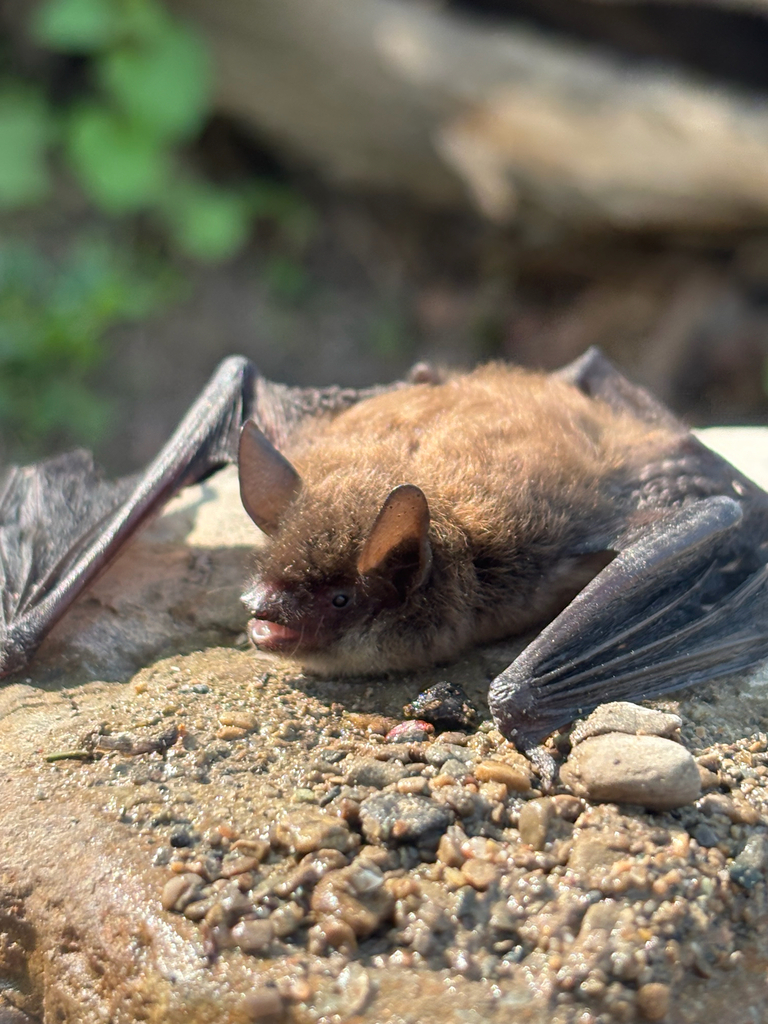
Little Brown Myotis (Myotis lucifugus) - Photo by Kiera Conrad
View on iNaturalist
Little Brown Myotis (Myotis lucifugus)
National status: Endangered
Provincial status: Endangered
Little Brown Myotis, or the Little Brown Bat, is a small species with brown, glossy fur and mouse-like ears. They are nocturnal insectivores that roost in abandoned buildings, rock crevices, and tree cavities in summer colonies, and they hibernate over the Canadian winter in caves.
These creatures, along with the members of their mouse-eared family, are tiny but mighty. They eat about half of their body weight in insects with every nightly feed, and are massive contributors to population control of moths, beetles, flies, and more.
The most prevalent threat Little Brown Myotis is currently facing is a disease called white-nose syndrome. This cold-thriving fungal infection attacks hibernating bat species, spreading rapidly through their hibernating colonies, and has been known to wipe out upwards of 90% of individual populations. Bats affected by white-nose syndrome will have a fuzzy, white growth on exposed skin, most often the snout. The disease causes many bats to rise early from their hibernation and burn their valuable fat stores while looking for food and water, usually during the day when their natural behaviour is being compromised. Since its discovery in 2006, white-nose syndrome has killed more than six million bats across North America, with Little Brown Myotis being one of the species hit the hardest.
The fungus can grow anywhere that is damp and cold – including the cave walls and floors that bats call home. If humans go exploring in these caves, it can cling to clothes and equipment that then gets transported from a host cave and spread around to other habitats. Bats are also impacted by habitat destruction, pesticide use, and mortality caused by infrastructure.
In order to conserve the dangerously dwindling populations of Little Brown Myotis, and all other species impacted by these threats, education and outreach is paramount. Knowing about white-nose syndrome and the importance of proper decontamination after visiting bat habitat is one of the best ways to contain the disease. Limiting the use of pesticides in residential gardening and agriculture aids the bats in finding an abundance of their food source, which will make them stronger during hibernation to fight against the disease.
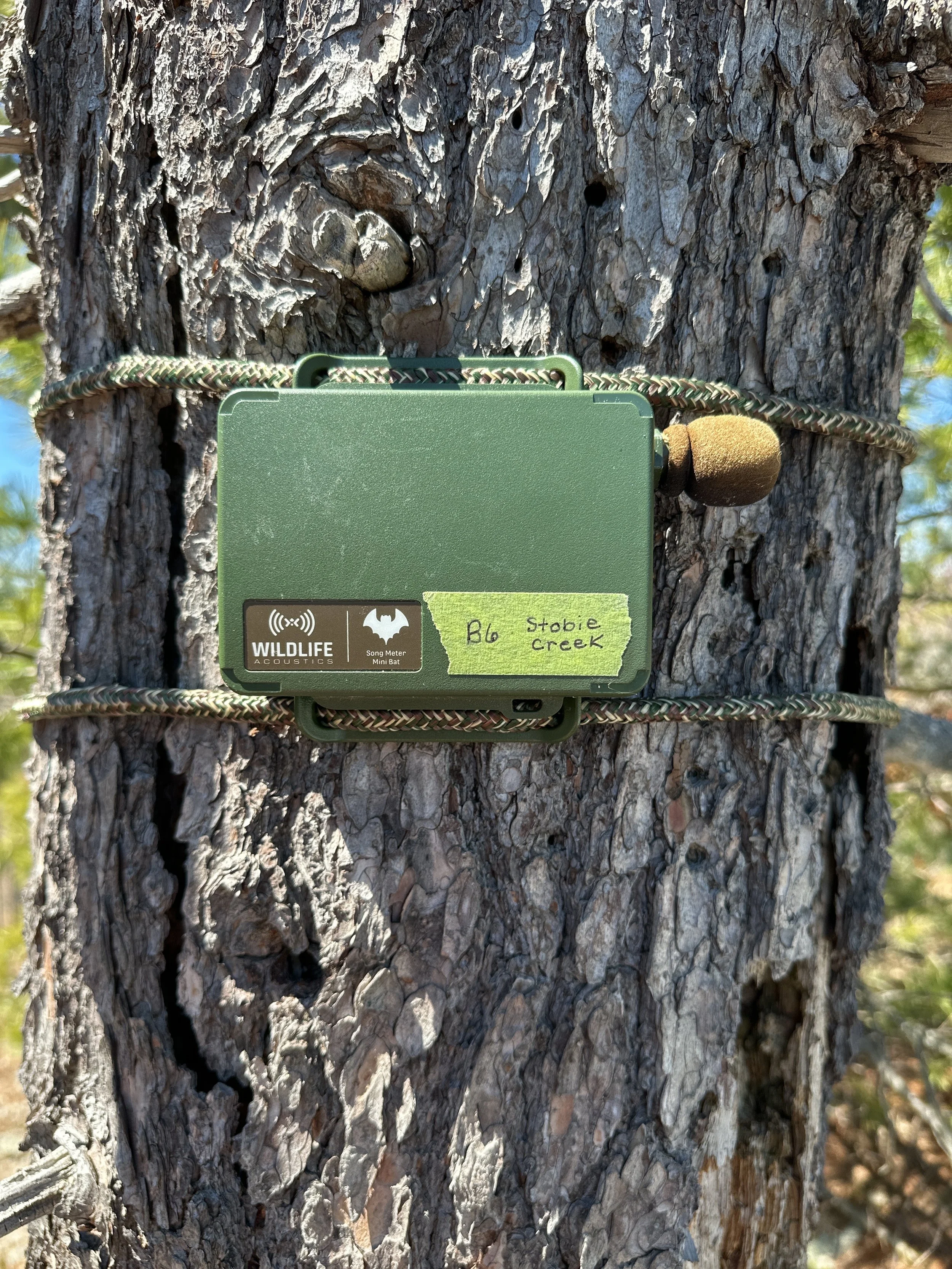
Bat Monitor at Stobie Creek Preserve
Here at the Central Algoma Land Trust, our Bat Monitoring and Education program has been contributing to bat conservation since its start in 2022. We have acoustic bat monitors deployed at various preserves in the region, which collect and help us analyze patterns like hunting activity in the local bat populations. This data is not only shared with the public to increase awareness, but is used to inform broader efforts for bat conservation.
Read more about the Bat Monitoring and Education program here.
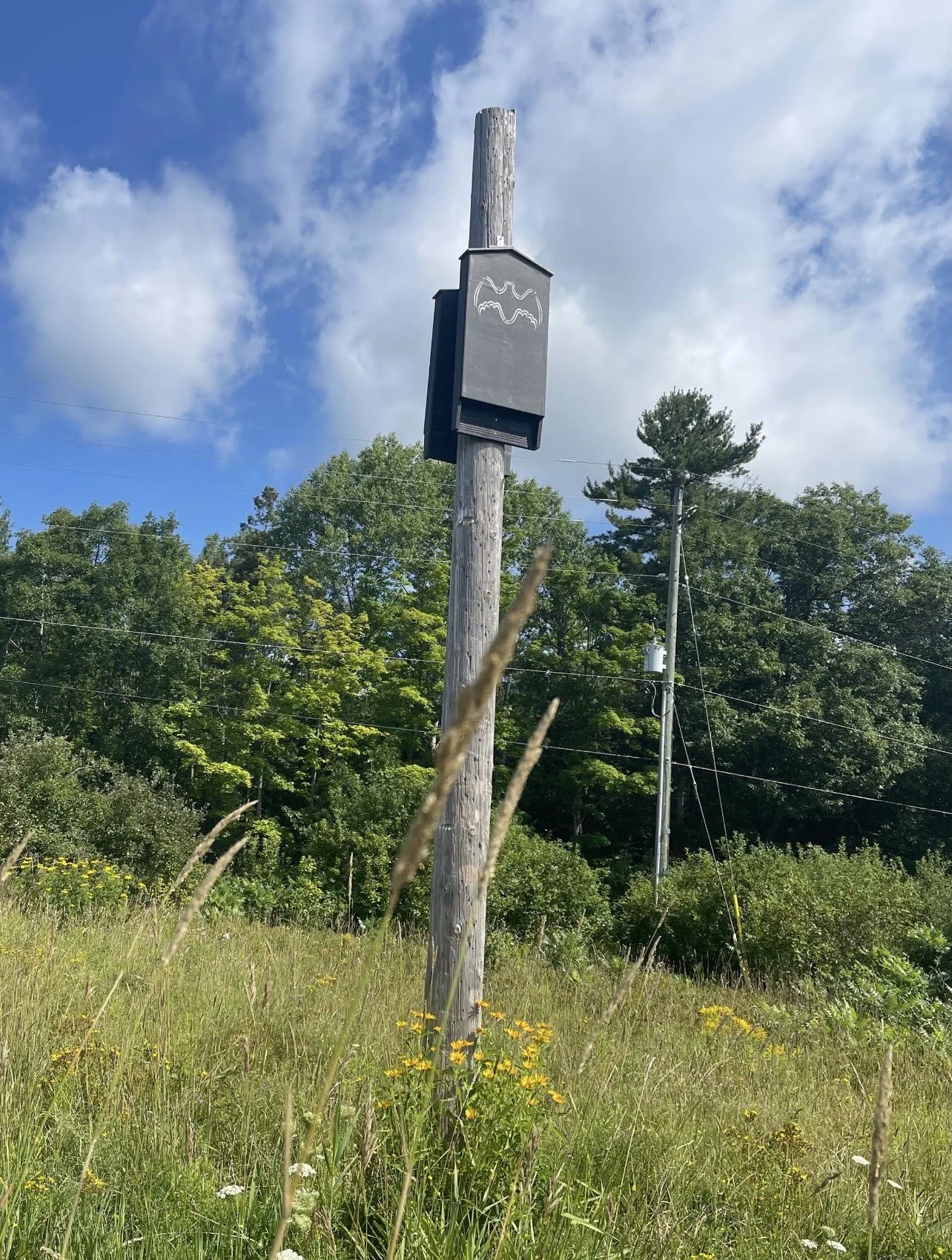
Bat houses at Boyer Preserve, outside the conservation office
Providing bats with habitat is another great way to help their populations. We have bat houses set up at both our conservation office on the Boyer Preserve, and the entrance to Archibald Homestead. These constructed habitats give bats a place to roost and rest on their travels, whether it be during migration or for a stopover after a night of hunting.
Bat houses are the perfect tool if you want to get involved in local bat conservation. Stop by the conservation centre to see our bat houses and learn more about how you can contribute!
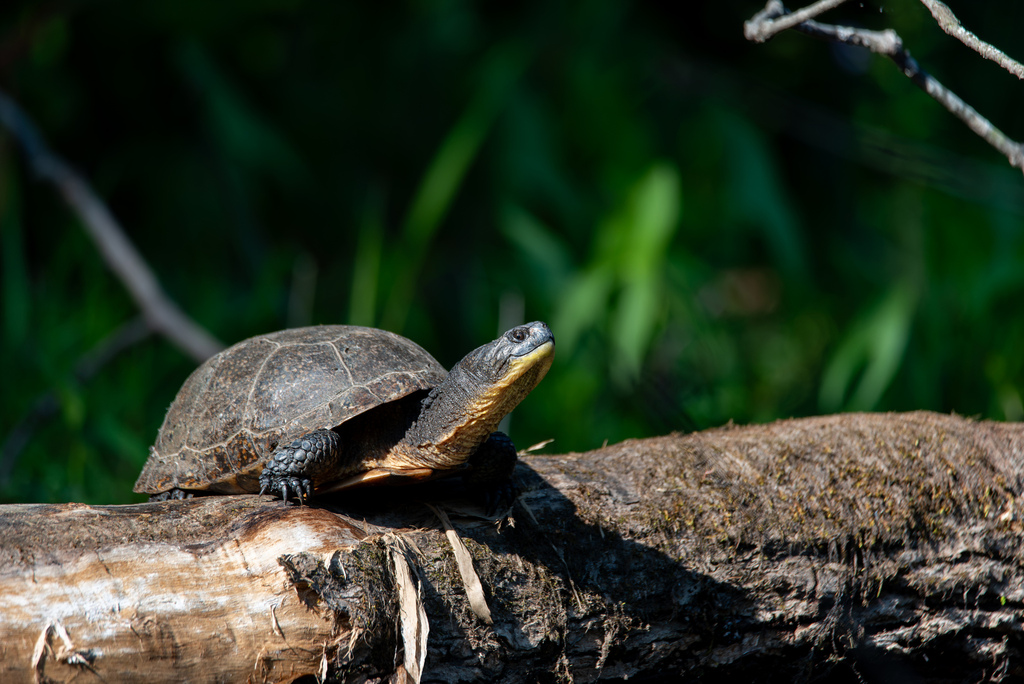
Blanding's Turtle (Emydoidea blandingii) - Photo by Toby Rowland
View on iNaturalist
Blanding’s Turtle (Emydoidae blandingii)
National status: Endangered
Provincial status: Threatened
Blanding’s Turtles are small-to-medium sized reptiles that make their habitats in shallow waters, typically wetlands and small lakes. They are also a hibernating species, that burrow into mud in the depths of permanent lakes, rivers, and wetlands. They have a blackish brown domed carapace (top shell) with bright yellow flecks that match that of their distinct throat and chin, and a cream or yellow plastron (bottom shell).
A portion of their diet consists of aquatic invertebrates and small fish, populations that they help to control in wetland habitats. They also eat dead organic and plant matter, which removes harmful bacteria from freshwater habitats, along with the nutrient cycling that their waste contributes to. The conservation of Blanding’s Turtles – and an abundance of other turtle species that aid in seed dispersal, fertilization, and population control – is critical to maintaining the health of freshwater wetlands, an ecosystem that is already facing major threats without the extinction of a vital group of turtle species.
The biggest threat to Blanding’s Turtle populations is road traffic and development, particularly in the vicinity of their wetland habitats. All freshwater turtle species in Ontario face major threat from road mortality, as these reptiles need to travel far distances to breed, lay their eggs, and make it back to their home habitats. Blanding’s Turtles travel incredibly far to locate a mate and breed, putting them at a very high risk of being hit by vehicles. Not only that, but development of wetland ecosystems for residential construction and road expansion have pushed these turtles out of their habitats to find more suitable places to live. Which, in turn, puts them even closer to road traffic and human interference. Another large threat to their populations is predation on their eggs and young. As turtles take such a long time to mature and reproduce, upwards of twenty years for Blanding’s, their clutches are a precious resource to replenish their populations. But predators are having a much easier time locating turtle nests with the lack of suitable habitat for them to lay in, along with the added pressure of human interaction with nests on roadsides and areas of high foot traffic.
Conserving and restoring wetland habitat is possibly the most impactful way that Blanding’s Turtle populations can be increased. Reducing development and prioritizing ecologically safe construction zones where these turtles live is critical to their protection.
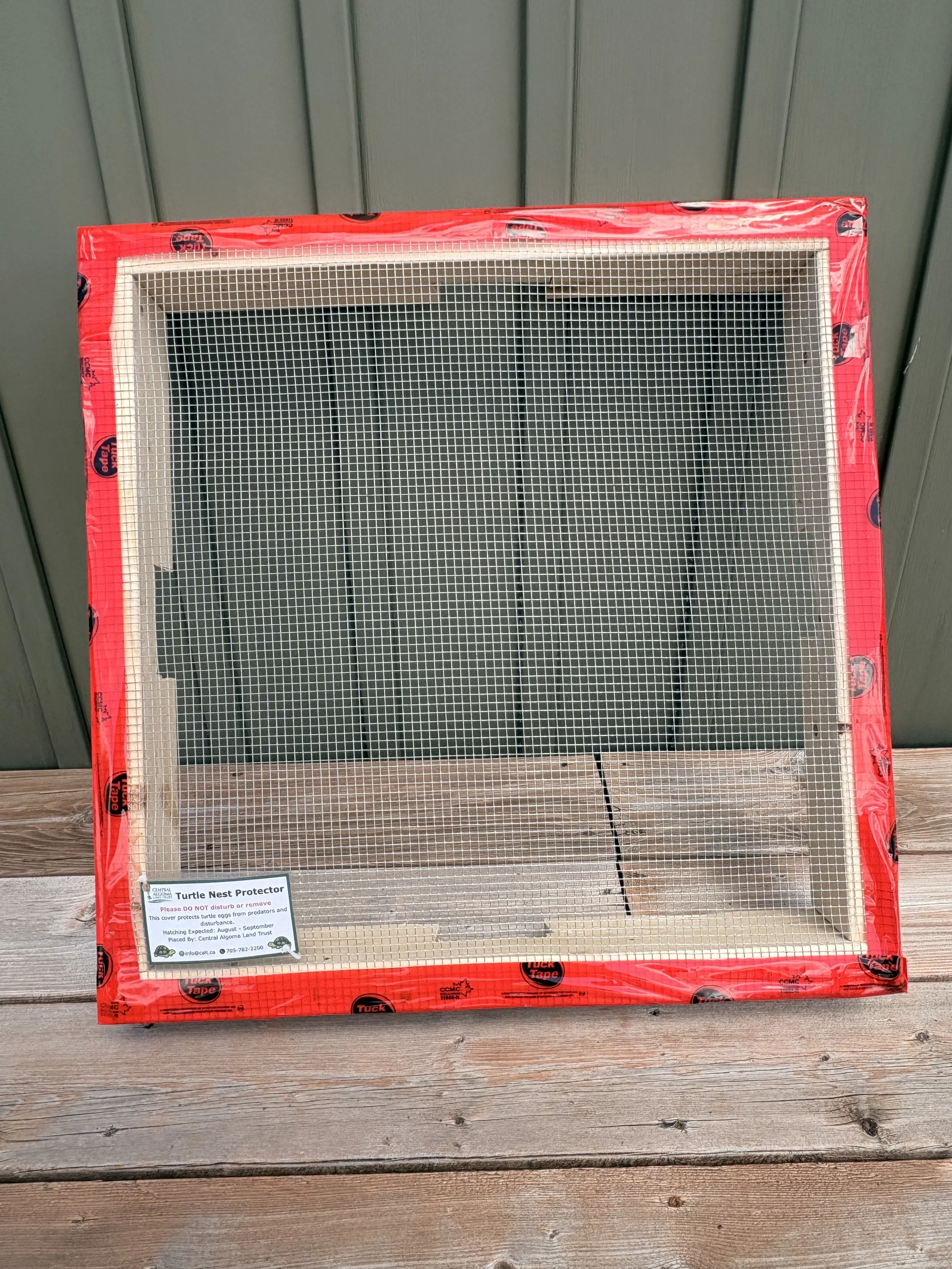
A Central Algoma Land Trust turtle nest cover
Protecting turtle nests and the precious clutches they lay is also a huge effort towards their conservation. Without baby turtles making it out of the nest, they cannot rebuild their populations quickly enough to keep up with predation.
Over the summer of 2026, we have significantly grown our turtle nest cover initiative. At the start of the season, we built ten new turtle nest covers that were sent out to locations around the Central Algoma region, including Garden River First Nation and Little Rapids General Store in Thessalon. They have since been deployed on roadsides, in backyards, and community spaces where nests have been found. We hope to keep building this project in future seasons so that even more turtle nests can be protected, and we can see an increase in the Snapping and Painted turtle hatchlings they shelter.
You can get involved in turtle nest protection by using a nest cover provided by the Central Algoma Land Trust on any nesting sites you come across, or constructing your own for the next breeding season. Come see us at the conservation centre for more information on construction, success stories, and the initiative as a whole!
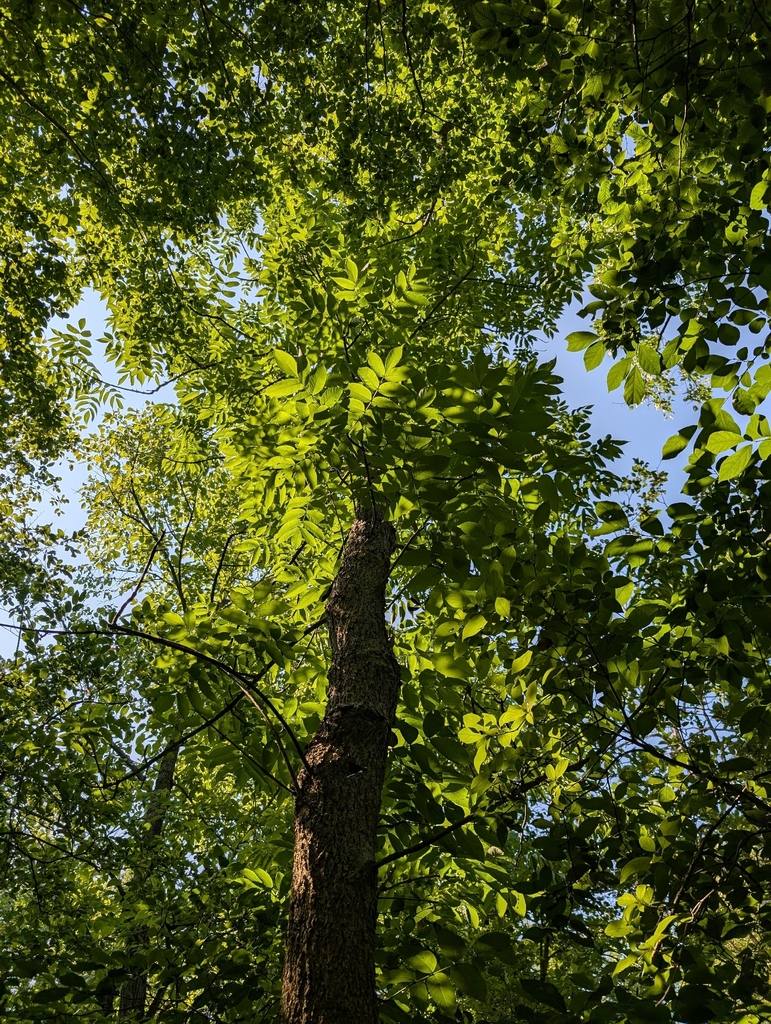
Black Ash (Fraxinus nigra) - Photo by Pat Deacon
View on iNaturalist
Black Ash (Fraxinus nigra)
National status: Threatened
Provincial status: Endangered
Black Ash is a species of hardwood tree that can grow upwards of twenty metres in height. Its leaves are compound, meaning it has multiple leaflets attached to one centre stem, rather than one leaf at the end of a stem. They are dark green in colour and have serrated edges. The bark is distinctly grey and corky with lots of ridges. This species is shade intolerant and thrives in moist habitats, like floodplains, bogs, and riparian areas.
Black Ash transpires very large amounts of water, which help to regulate water levels in the marshy habitats they prefer. This process controls and reduces flooding, as well as balances the water table. As a deciduous species, its fallen leaves contribute to the fertilization of soils and nutrient cycling through the environment, and it also provides a food source for decomposers that clean the ecosystem. Saving Black Ash populations is a critical step in conserving Canada’s rapidly degrading wetland habitats – areas that sequester mass amounts of carbon dioxide, filter surface waters, and house an abundance of biodiversity.
While threats like deforestation and changing habitats through global warming do impact Black Ash populations, the main reason for their decline is an invasive species issue. The Emerald Ash Borer is a species of beetle, brought to North America from Asia through anthropogenic means. This insect spends its entire life cycle in and on Ash trees, from laying its eggs, to larval development, to feeding, to reproducing. The beetle eats away at the leaves and bark while the larvae develop within the inner tissue, degrading the tree’s ability to photosynthesize while disrupting nutrient and water cycling. Black Ash is a highly preferable species for Emerald Ash Borers, and it is also most sensitive to infestation. On top of the pressures they face from the degradation of their wetland habitats, Black Ash trees have been pushed to the brink by the take-over of this invasive pest.
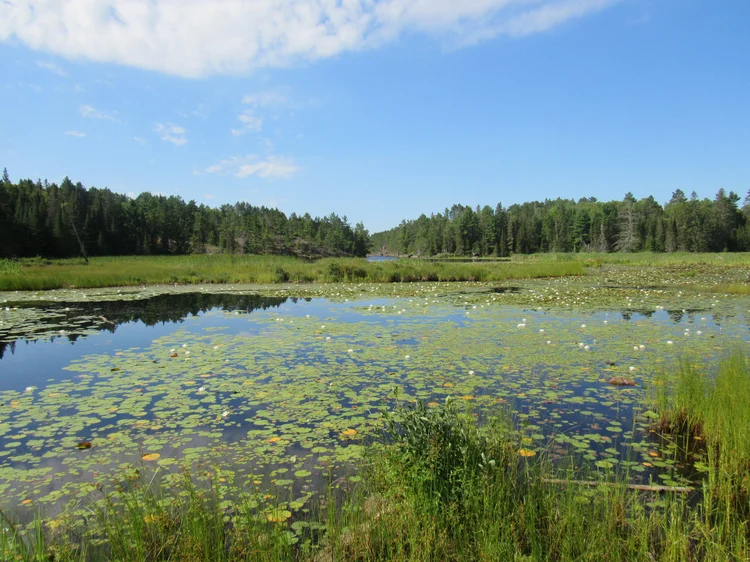
Wetland Habitat on Black Hole Preserve
Many of the Central Algoma Land Trust’s protected areas include large wetlands and marshes that have remained untouched by development. These habitats are safe havens for the biodiversity that wetlands provide, and they foster species in similar situations to Black Ash. Nature preserves like Ripple Rock and Black Hole are a perfect example of how biodiversity impacts climate change mitigation – conserving a carbon sink and the species that live within it directly fights against greenhouse gas pollution, which makes every ecosystem in the area healthier for biodiversity to thrive.
Check out these wonderful preserves, and all of the others protected under the Central Algoma Land Trust, here.
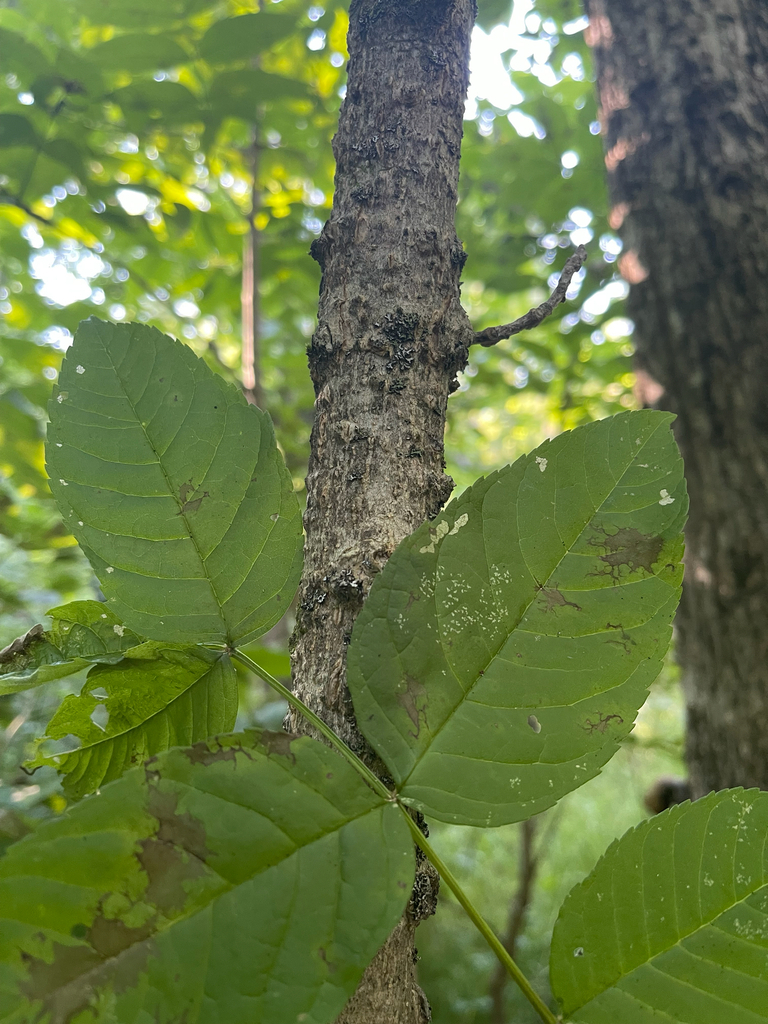
Black Ash at Boyer Preserve - Photo by Maggie Cameron
View on iNaturalist
Protecting biodiversity is not simply about building up animal or plant populations so that they stick around on earth. Ecosystems that host a wider variety of organisms are more resilient to stressors and can better withstand the changes brought about by climate change. Soils where a diversity of native plants grow house a more complex root system, making them more equipped to take on natural disasters, like floods, droughts, and storms. A habitat with a balanced food chain – where populations of predators are fit to control prey populations, but not overtake them – typically have a more diverse gene pool. This makes them stronger against disease and helps them recover from die-offs.
Possibly the most important way that biodiversity combats climate change is through carbon sequestering. Healthy ecosystems – namely peatlands, mangroves, seagrass beds, and tropical rainforests – capture mass amounts of the carbon released into the atmosphere by human activity. These habitats have soils that are very water logged with a notable lack of oxygen. Carbon is easily stored in these soils for thousands of years, rather than decaying or escaping as it would in areas that have been, for example, cleared for logging. These habitats also house some of the greatest known biodiversity on the planet, while being some of the most at risk from anthropogenic influences.
This critical relationship between biodiversity conservation and climate change mitigation is one of the driving reasons why we at the Central Algoma Land Trust do the work that we do. Fostering native populations, managing habitat health, and protecting species at risk not only benefit the Algoma region itself, but the far-reaching ecosystems impacted by climate change. Hopefully, reading this article has sparked some intrigue in the many ways that you can join in the fight for biodiversity conservation, and help the Central Algoma Land Trust’s mission to preserve these beautiful habitats for generations to come.
The Central Algoma Land Trust depends on the generous support of our local community to carry out our work. Please consider making a donation to help advance conservation efforts across the Central Algoma region. Your contribution will help protect the natural spaces and wildlife that make this area so special.