Water Quality Monitoring Program
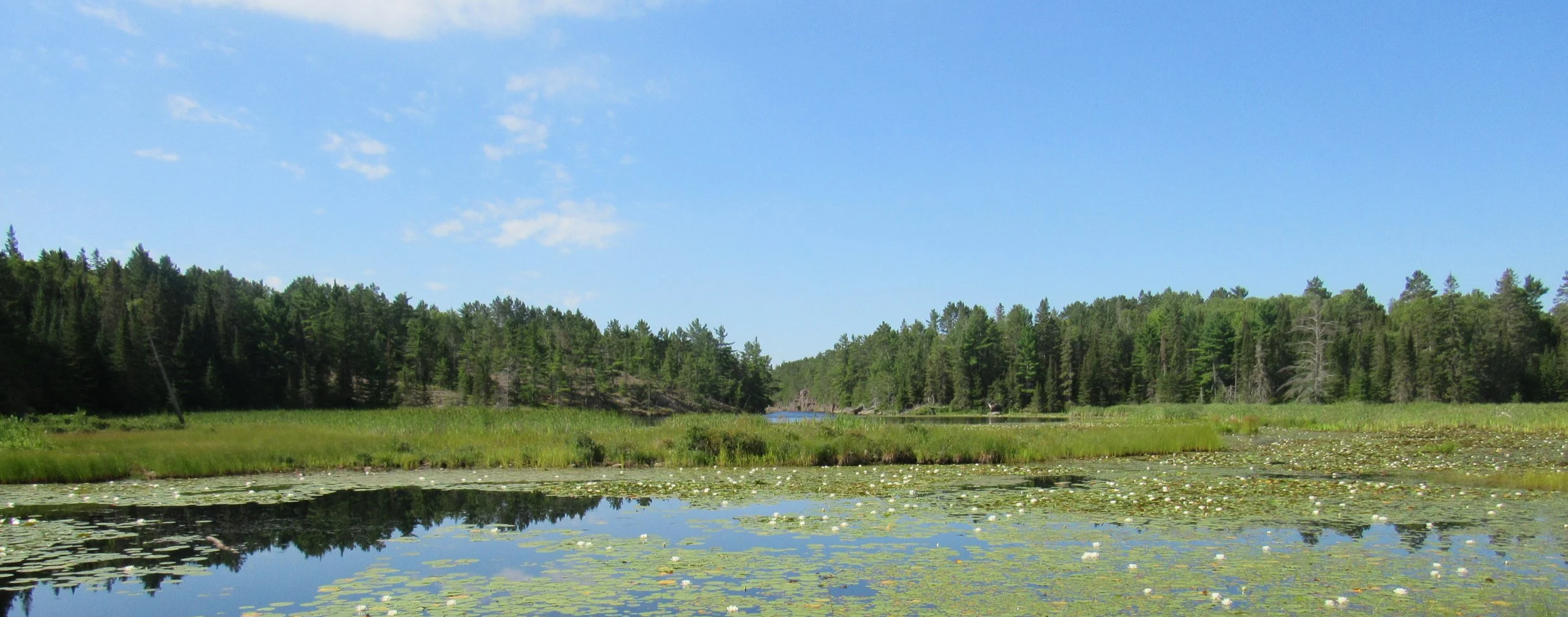
This program invites community members to become community scientists! Together, we collect and analyze water samples from the Central Algoma region to better understand the health of local waterways. We monitor key indicators such as pH, alkalinity, temperature, and conductivity to detect changes in water conditions, build a strong baseline database, and identify potential environmental threats.
About the Program
Our location at the heart of the Great Lakes makes us perfectly situated to promote the protection and conservation of the freshwater resources that surround us. For this reason, the Central Algoma Land Trust has partnered with the Water Rangers to conduct our Water Quality Monitoring Program in the Central Algoma region. Our goal is to obtain a baseline measure of the health of water bodies associated with our protected areas and beyond.
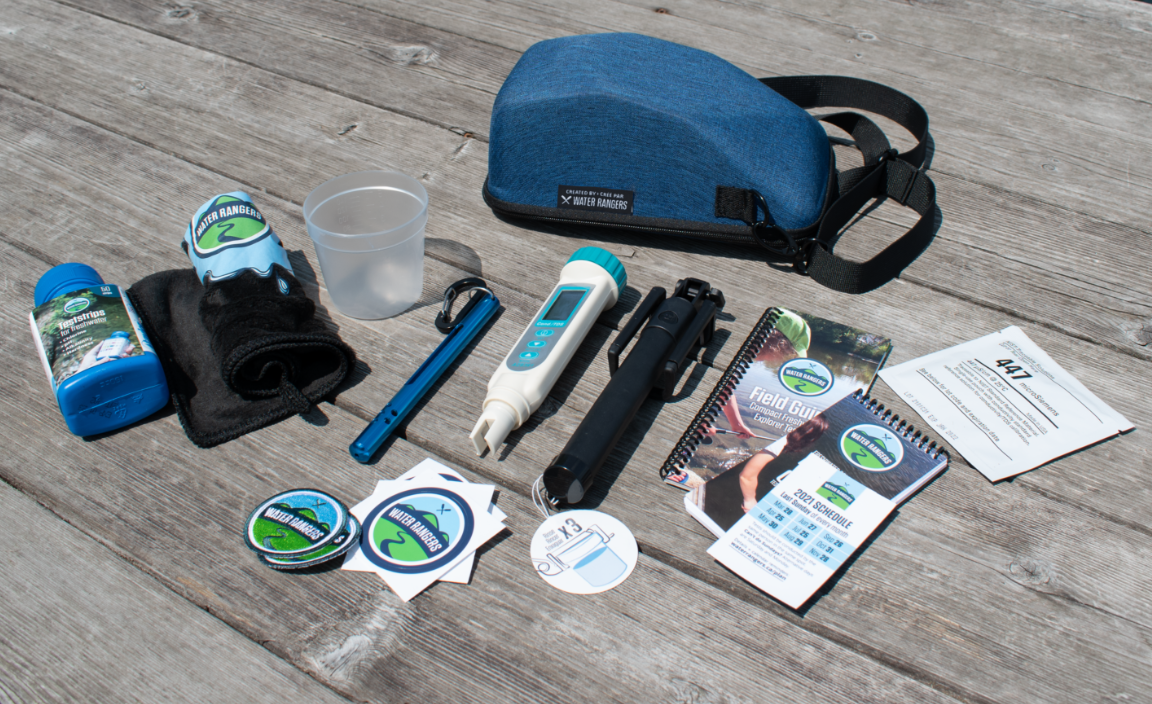
Thanks to partnership and funding from Lake Huron North, in 2022 we were able to purchase many Compact Freshwater Test Kits from Water Rangers. These small and portable kits are what we give out to our Water Quality Monitoring volunteers when testing lakes and rivers in the Central Algoma region. Each testing kit contains:
Thermometer (air temperature)
Test strips (pH, alkalinity, hardness, chlorine)
Conductivity meter (conductivity, water temperature)
Sample container
Mini field notepad and pen
Reacher stick
Mini field guide
3 stickers
2 badges
Protocol magnet
Calibration solution
Hard Travel Case
Water sampling is important for overall ecosystem health. Especially when a water body is used for recreational purposes, testing the water becomes vital in avoiding health risks, algae blooms, temperature changes, high turbidity, and invasive species.
What Are We Testing For?
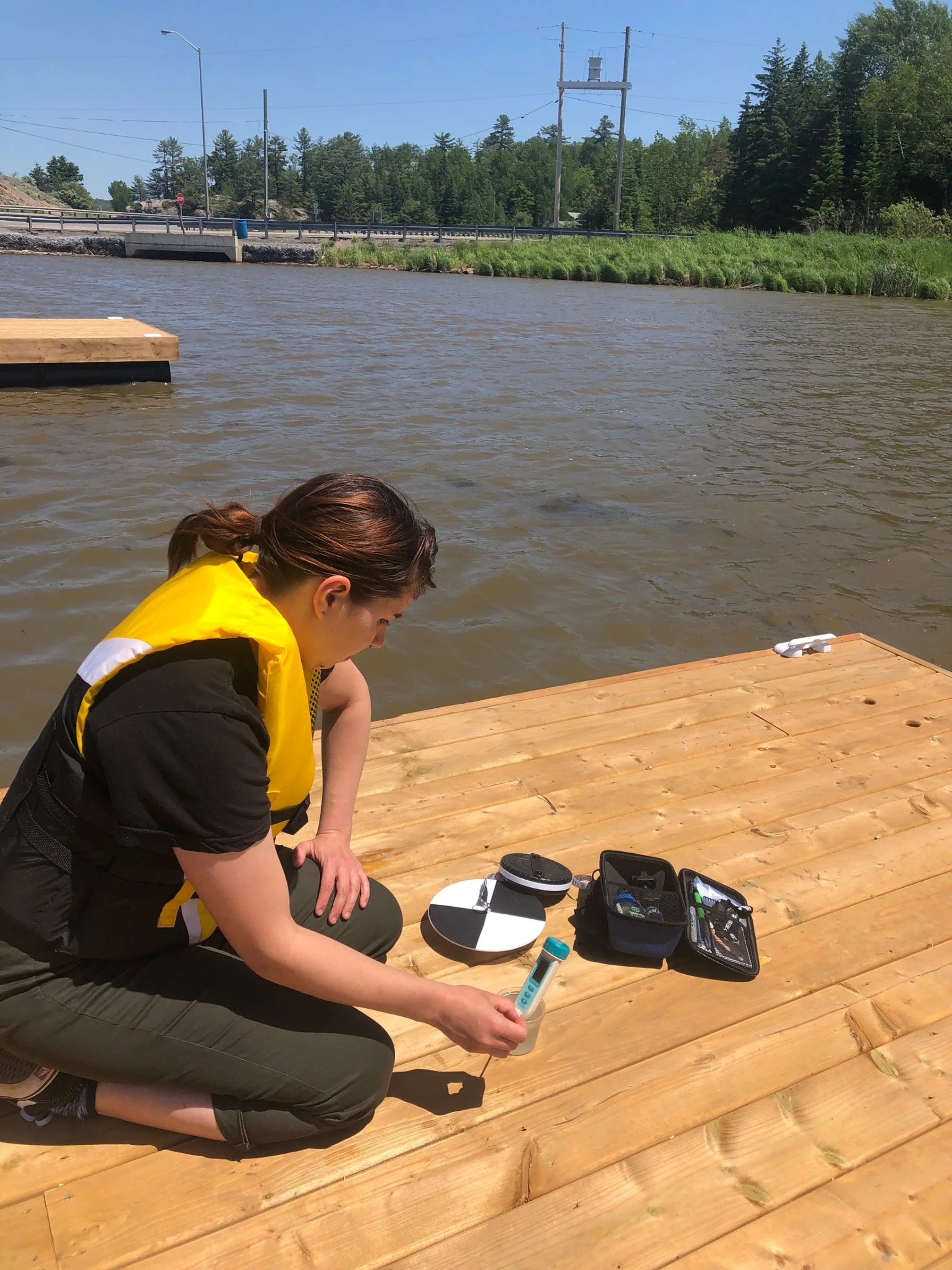
pH - how acidic or basic the water body is
Alkalinity - the water’s ability to neutralize acids
Hardness - amount of dissolved minerals in the water
Conductivity - the water’s ability to conduct electricity
Chlorine Levels - can indicate whether the water source is influenced by nearby runoff
Water Temperature - influences chemical reactions, oxygen levels, and aquatic life
Water Depth - influences light penetration and habitat conditions
Water Clarity - can indicate the presence of sediments, algae, or pollutants
Building a Baseline
The long term goal with our Water Quality Monitoring Program is to determine what waterways in our region are healthy and which ones may need intervention. To do this, we first need to collect baseline data, which is information that shows the normal conditions of each water body that has been recorded over long periods of time. Unfortunately, in Northern Ontario, we are lacking historical data on the conditions of our waterways so we have little to compare our findings against. Because there is this knowledge gap and each waterway is unique and influenced by many natural factors, we cannot yet say definitively when a reading is unusually high or low.
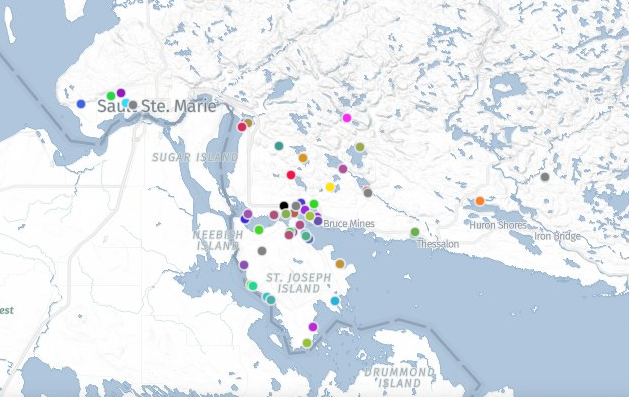
We are actively working to change this. Since the program began in 2022, over 30 volunteers have been monitoring 56 sites across the Central Algoma region, and the data they collect is helping us build that baseline database. As we continue sampling these sites year after year, we will be able to better identify unique trends and normal ranges for each location. All of this will help create a valuable historical record for each site, giving future water monitors and researchers a reference point to detect and respond to events that may affect aquatic ecosystem health.
How To Get Involved
Consistency is key in building this reliable baseline data. We ask volunteers to sample water from the same location on each monthly visit with the test kits that we provide at the start of every monitoring season.
Our goal with this program is to help people build a stronger connection to their local environment by offering meaningful opportunities to participate in hands-on conservation efforts. By stewarding the land and water we all rely on, participants play an active role in protecting their community’s natural resources for years to come.
Results
The results from the program are stored on the Water Rangers website, which you can view at the link below. The data is also provided to the Great Lakes DataStream.
Program Supporters
We are very grateful to our donors, whose general contributions provide the foundation for this program, and the organizations and businesses recognized here for directly supporting it.